-
 Gwyneth Paltrow's wacky COVID-19 treatments have no medical justification
Experts said there was no evidence that any of Paltrow's remedies could help with prolonged symptoms of COVID-19.
coronavirus -
 Another new coronavirus variant now detected in 13 countries
As of Feb. 17, there had been 46 cases of the new variant confirmed in the U.K.
coronavirus -
 These star-shaped brain cells may help us understand depression's biological roots
The brains of people with depression have fewer astrocytes, a type of brain cell, according to a small study.
neuroscience -
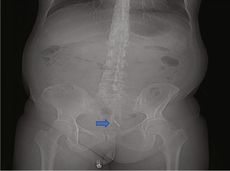 Woman's IUD 'eroded' through her uterus and punctured her bladder
A bladder stone had formed on the device.
reproductive-health -
 Parasite found in cat poop linked to higher brain cancer risk in humans
Here's another reason to cook your meat and take care around cat litter.
cancer -
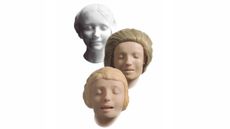 How a girl's 'death mask' from the 1800s became the face of CPR dolls
The story behind the face of the CPR dummy.
education -
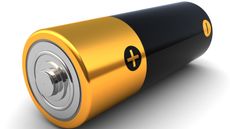 Man's 'heart attack' was really side effect from swallowed battery
Whether or not it affects the heart, eating batteries is dangerous.
heart-circulation -
 Dog ticks prefer humans as hosts when temperatures rise
The study researchers recruited some brave human and canine volunteers for a unique experiment.
viruses-infections-disease -
 Doc on plane diagnoses man's unusual condition midair
The passenger looked like he was having a stroke. But a doctor on board determined the patient had an unusual yet temporary condition.
health -
 Why are teeth so sensitive to pain?
Wouldn't it be easier if our teeth didn't feel pain?
anatomy -
 Why Do We Hiccup?
Is there a purpose to these repeated "hics"?
reproductive-health -
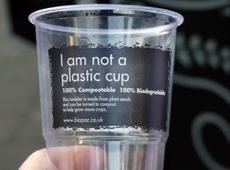 If You Throw a Compostable Cup in the Trash, Does It Still Break Down?
Compostable products are all the rage these days. But what happens to these items — including compostable straws and silverware — when they're thrown into a landfill instead of a compost heap?
energy -
 Just 13% of the Ocean Is Untouched by Humans
And even those patches of pristine ocean are unprotected.
rivers-oceans -
 Can You Turn Fat into Muscle?
Simply put, your body can't turn fat into muscle. And the reverse is also true: Your body can't turn muscle into fat, either. Here's why.
food-drink -
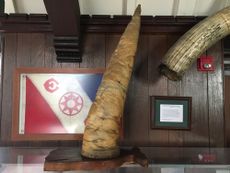 Phallic Curiosity: How a Whale Penis Came to the Explorers Club
In 1977, the Explorers Club received an odd gift. Unable to attend a whaling exhibition, a couple sent a regrets note and a sperm whale foreskin, mounted and stuffed.
whales -
 What Really Happens to Fighting Bulls After the Fight?
After bulls have finished their single fight, which just about always ends in their death, what happens to the animals? Do they end up on your dinner plate
land-mammals -
 Sugar Industry Tried to Bias Heart Research, Study Says
The sugar industry may have downplayed studies showing that eating too much sugar can cause heart disease, and instead tried to place the blame on too much fat in the diet, a new study says.
heart-circulation -
 Designer Thinks About Death Every Hour: Why Do We Dwell on Dying?
Tom Ford thinks a lot about death, he recently told The Hollywood Reporter. And psychologists say that many of us do the same.
human-behavior -
 Double Dogs: Identical Twin Puppies Confirmed
Two puppies born in October are identical twins, a genetic analysis confirms.
dogs -
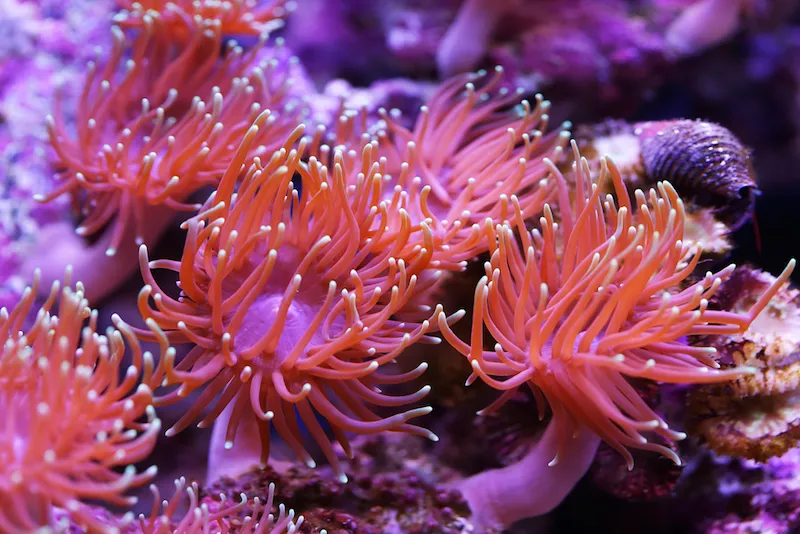
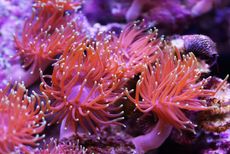 Sea Anemone Proteins Could Help Fix Damaged Hearing
The proteins that sea anemones use to repair their feathery tentacles could also one day be used to fix damaged cells in a mammal's ear.
animals -
 How Did the Pentagon Building Get Its Shape?
How did the Pentagon get its name? Well, that's a no-brainer. But how did the Department of Defense headquarters get its shape? That's a longer story.
human-behavior -
 How Skydiver Jumped Without a Parachute (and Survived)
Skydiver Luke Aikins became the first person to jump from a plane without a parachute or wingsuit this past weekend. How did the daredevil pull off such a heart-stopping stunt?
physics-mathematics -
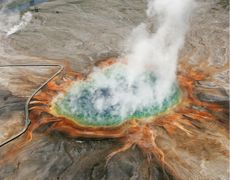 What Makes Yellowstone's Hot Springs So Colorful?planet-earth
 -
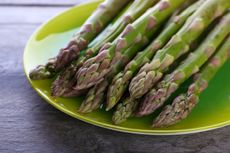 Why Does Asparagus Make Your Pee Smell Funny?
Here's what gives "asparagus pee" that sulfurous smell and why some people just can't detect the odor.
planet-earth