













The Science of Essential Oils: Does Using Scents Make Sense?
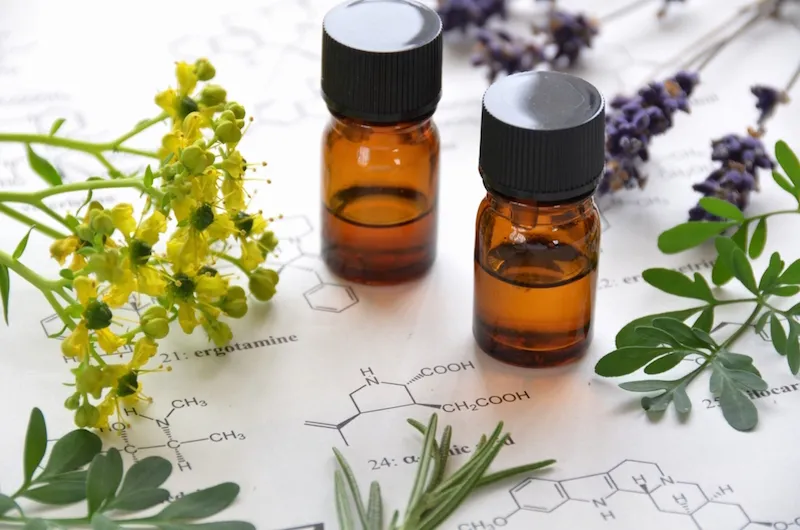
More and more Americans may have heard some buzz about essential oils, and may be experimenting with them in hopes of improving their moods or feeling better. These fragrant oils, such as lavender, peppermint, eucalyptus, orange and tea tree, are extracted from a plant's leaves, flowers, roots, barks, seeds or peels.
People may turn to essential oils as part of aromatherapy, an alternative-medicine approach in which these highly concentrated, aromatic plant oils are used in small amounts in hopes of improving someone's physical or emotional health. The oils are sold online and in natural food stores.
But although many essential oils have pleasant smells and some of their active ingredients are purported to have health benefits, there is limited scientific evidence that they actually improve people's health or mood. And even small vials of these concentrated oils can be pricey.
Essential oils are mixtures, sometimes containing almost 300 substances, said Gerhard Buchbauer, a professor of pharmaceutical chemistry at the University of Vienna in Austria, who has researched and written about the chemical compounds used in aromatherapy. The oils contain both simple and complex chemicals, he said.
Pure essential oils are free of aromatic compounds called polycyclic aromatic hydrocarbons (PAHs), which may be linked with cancer, but they do contain volatile organic compounds (VOCs) — otherwise, they could not be smelled, Buchbauer said.
Using the active compounds in essential oils in low concentrations and inhaling the vapors of these oils are normally safe for most people, Buchbauer said. Safety testing of essential oils have shown they have few negative side effects, when used as directed. [5 Wacky Things That Are Good for Your Health]
However, research suggests that because some of the oils mimic the female hormone estrogen, they may have unwanted effects on males. Lavender oil and tea tree oil may cause enlarged breast tissue in prepubertal boys, according to a 2007 study in the New England Journal of Medicine.
Get the world’s most fascinating discoveries delivered straight to your inbox.
How essential oils are used
Aromatherapists recommend the oils be directly inhaled from a bottle, cloth or palm of the hand, or massaged into the skin after being diluted in a carrier oil, such as olive oil or almond oil.
When inhaled, "the absorption of essential oils by the nose is as fast as an intravenous injection," Buchbauer said.Essential oils are sometimes called volatile oils, meaning they evaporate quickly when exposed to the air, which releases their scents.
In comparison, the absorption of essential oils through the skin is slower, because some of their chemical compounds need to pass through the fat layers under the skin and may even get stored there, Buchbauer said.
He stressed that because of their potency, it's important to use only a few drops of a diluted form of essential oils when applying them to the skin. Unless they are diluted, essential oils can irritate the skin.

Some consumers add essential oils to their baths, or use them as home remedies, such as inhaling eucalyptus vapors to relieve congestion.Others may place the oils in a diffuser to scent the air — peppermint is promoted for stimulating alertness, and lavender is often listed as a way to promote calmness, although there are no rigorous studies to support such claims.
Do-it-yourselfers may add drops of essential oils when making natural beauty products to give them fragrance, or use them in green cleaning products because of their disinfectant or cleansing properties.
Limited evidence
Smell plays a big role in how essential oils may affect the body: When breathed in, these plant oils stimulate smell receptors in the nose that send chemical messages through nerves to the brain's limbic system, which affects moods and emotions, and may have some physiological effects on the body, according to the National Institutes of Health (NIH). (When used on the skin, the oils are absorbed into the bloodstream.)
Some oils may cause skin irritation or allergic reactions, which is why people should test their sensitivity to an oil on a small patch of skin, before they begin to use an oil more broadly, said Dr. Wolfgang Steflitsch, a chest physician at Otto Wagner Hospital in Vienna, and vice president of the Austrian Association of Aromatherapy and Aroma Care. He also said that certain citrus oils when applied to the skin can increase sun sensitivity, and that some substances in essential oils may be risky for pregnant women.
Although Americans may think of aromatherapy as part of a spa or beauty treatment, medical aromatherapy is popular in Europe, where some physicians may prescribe and use the oils therapeutically as part of complementary medical care. [9 Healthy Habits You Can Do in 1 Minute (Or Less)]
About 100 different essential oils are used for medical aromatherapy in Austria and other European countries, Steflitsch told Live Science.
One example of oil that shows some evidence of effectiveness is tea tree oil, which may be an effective treatment for acne, according to the NIH. In one clinical trial, researchers compared gel containing tea tree oil to a benzoyl peroxide product, and found that the benzoyl peroxide worked slightly better but that the tea tree oil had fewer side effects, according to the NIH.
A few preliminary studies have suggested that peppermint oil may help with irritable bowel syndrome. Although the oil is touted for working as a decongestant and reliving headaches and muscle pain, "there is no clear-cut evidence to support the use of peppermint oil for other health conditions," the NIH says on its website. Capsules of peppermint oil may cause heartburn.

Lavender oil is claimed to have a slew of a health benefits, with aromatherapy practitioners using it for anxiety, restlessness, insomnia, depression, headache, upset stomach and hair loss. Some small studies on using lavender for anxiety have yielded mixed results, and some studies suggest the oil may work in combination with other oils to fight a hair-loss condition called alopecia areata, according to the NIH. However, "there is little scientific evidence of lavender's effectiveness for most health uses," the NIH says.
Steflitsch said that aromatherapy is an offshoot of herbal medicine, and European patients and physicians have traditionally been more open to using plant-based therapies as part of their medical treatment compared with the United States, which has a different legal and regulatory climate.
Steflitsch said there is some high-quality evidence that essential oils are effective in treating viral, bacterial, fungal and parasitic infections, and in providing relief from sleep difficulties and pain. The oils may also improve moods, such as anxiety, depression, and reduce stress.
But American physicians typically look to research from clinical trials to determine the effectiveness of medical treatments, and many of the existing studies on essential oils are small. They do not meet this "gold standard" criteria.
Follow Live Science @livescience, Facebook & Google+. Originally published on Live Science.
Cari Nierenberg has been writing about health and wellness topics for online news outlets and print publications for more than two decades. Her work has been published by Live Science, The Washington Post, WebMD, Scientific American, among others. She has a Bachelor of Science degree in nutrition from Cornell University and a Master of Science degree in Nutrition and Communication from Boston University.