













Minty? Lemony? Humans Can Smell 10 Types of Odors

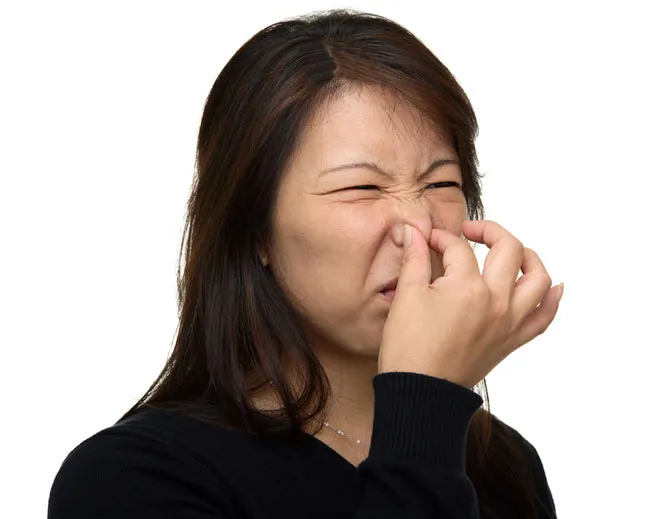
From fruity to minty to popcorn-y, all smells can be classified as one of 10 types of aroma, scientists say.
Taste, vision and hearing can be quantified, but a systematic description of smell has remained elusive. Now, researchers have used mathematics to describe odors systematically and simplify them into 10 categories: fragrant, woody/resinous, fruity (non-citrus), chemical, minty/peppermint, sweet, popcorn, lemon, pungent and decayed.
"It's an open question how many fundamental types of odor qualities there are," study researcher Jason Castro of Bates College said in a statement. "This is in striking contrast to olfaction's 'sister sense,' taste, where we know that five basic qualities seem to organize sensations," Castro said. [8 Strange Things Scientists Have Tasted]
Castro and his colleagues took a standard database known as Andew Dravniek's 1985 Atlas of Odor Character Profiles. The profiles contained long lists of descriptors — such as "sweet," "floral" or "heavy" — which people had rated in terms of applicability to 144 different odors.
Using statistics, the scientists determined which combinations of descriptors were the key ones -- those used most often without being redundant. The technique was similar to compressing a digital file, which reduces its size without sacrificing useful information.
The analysis resulted in 10 basic odor groups. Why 10? It could also have been nine or 11, but 10 was the smallest number that still captured the interesting features of smell, Castro said.
The group is now applying their methods to a bank of chemical structures to predict how each chemical will smell. Nobody has been able to make this kind of prediction accurately, Castro said, and he expects perfume and fragrance companies will take an interest in it.
Get the world’s most fascinating discoveries delivered straight to your inbox.
The research was detailed Sept. 18 in the journal PLOS ONE.
Follow Tanya Lewis on Twitter and Google+. Follow us @livescience, Facebook & Google+. Original article on LiveScience.
