













Cordless Phones Finally Work
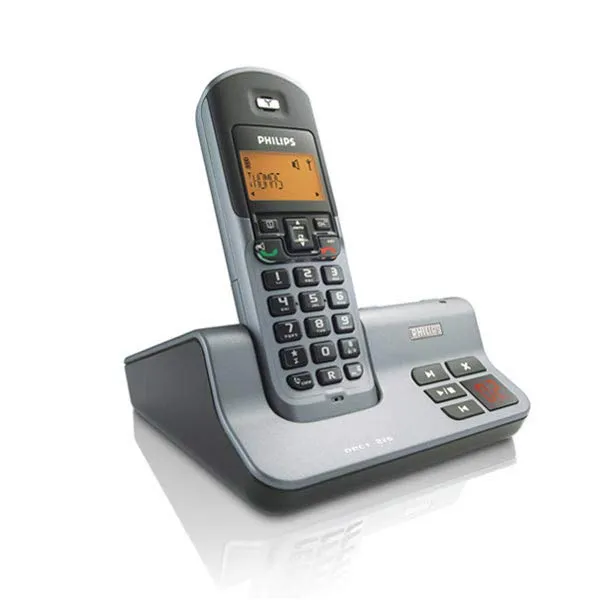
The humble cordless phone is humble no more. Thanks to an injection of some Pentagon technology, it’s come roaring back as a prime example of high technology.
Or, at any rate, the American version has caught up with the European version.
Unlike cell phones, which let you stay connected while moving around the country, cordless phones keep you in touch while moving around the house, using a handset with a short radio connection to a base unit that’s connected to a land telephone line.
Unfortunately, they’re famous for being subject to interference from microwave ovens, WiFi, baby monitors, and some security hardware that use the same radio frequencies.
At least that was the case until September, when vendors started offering cordless phones based on technology called DECT 6.0.
In use in Europe for about a decade, DECT stands for Digital Enhanced Cordless Telecommunications, and relies on dedicated bandwidth not subject to interference by any appliances. Specifically, the American version uses bandwidth between 1920 and 1930 megahertz that was abandoned by the Pentagon in 2005, Vincent Buet, marketing manager for phones at Philips, explained to LiveScience.
DECT technology also includes digital signal processing, encryption, and protocols to boost sound quality. Thanks to digital processing, battery life is about double that of previous technology, he added.
Get the world’s most fascinating discoveries delivered straight to your inbox.
Another feature possible with DECT is that the user can put multiple base units around the house or yard, and the handset will link to the nearest one as the user moves around, much like a cell phone in a city. Uniden America, for instance, will be coming out with units later this year using the DECT roaming feature, explained spokesperson Amanda Shannahan.
Buyers apparently appreciate DECT. The Swiss-based DECT Forum predicted that 634,000 DECT 6.0 phones would be sold in the United States in 2006. But in early January they announced that the real figure had been closer to a million, with at least 35 manufacturers lining up to offer them.
Retail prices range from about $50 to $200, with the high end offering additional features like built-in answering machines and PC connectivity. Philips also offers a feature called High Def Voice that prevents the voices of callers from sounding tinny [image].
- Video: How to Make a Lemon Battery
- New Super-Size TVs: Action Larger than Life
- Cell Phones Increase Risk of Death By Lightning, Doctors Claim
- Cell Phones Make Drivers as Bad as Drunks
- Study Disputes Cell Phone-Cancer Link