













10 Ways to Keep Your Mind Sharp

Mental prowess
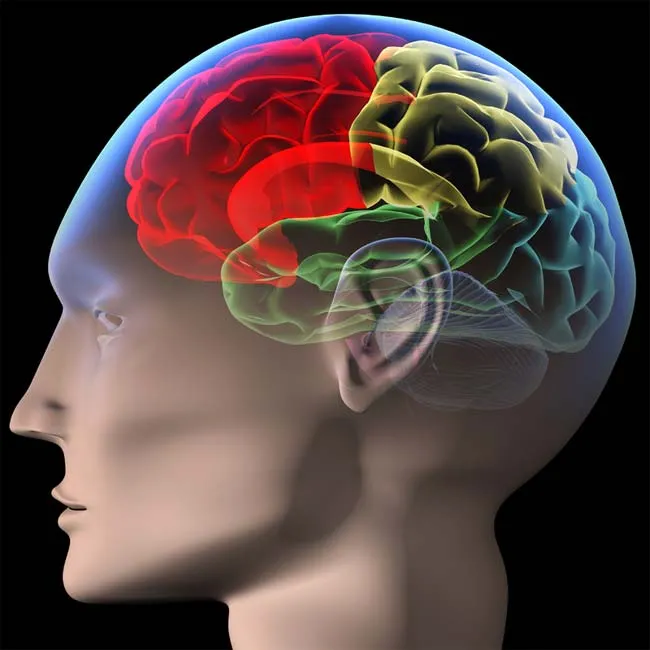
We expect the prowess of our joints and lungs to slowly decline as we age, but the thought of our minds doing the same is intolerable. Here are some top prevention tips worth their weight in wits, plus a few to forget.
Do something!

Scientists are starting to think that regular aerobic exercise may be the single most important thing you can do for the long-term health of your brain. While the heart and lungs respond loudly to a sprint on the treadmill, the brain is quietly getting fitter with each step, too. For mental fitness, aim for at least 30 minutes of physical activity every other day.
Eat, eat, eat

Too much or too little energy throws a kink in the brain’s delicate machinery. A low glycemic diet — high fiber, with moderate amounts of fat and protein — is broken down more slowly in the body than high glycemic foods, such as sweets and white starches. A steady pace of digestion in the gut gives a more reliable flow of energy to the brain, likely optimizing the organ’s long-term health and performance.
Watch that diet

While overindulging can make the brain sluggish and lead to long-term detriments to your brain, too few calories can also impair brain function. Extreme dieting can cause some diehards to feel stretches of calm — a feeling that may underlie the addiction of anorexia — but many studies have also linked dieting with distraction, confusion and memory impairment.
Take care of your body

Largely preventable diseases — such as Type II diabetes, obesity and hypertension — all affect your brain, too. System-wide health concerns have been linked to an increased risk of cognitive decline and memory impairments. Keeping your circulatory system in working order, by, say, avoiding cigarettes and saturated fat, lessens the onslaught of age-related damage to the brain.
Get your beauty rest

When we rest and dream, memories are sifted through, some discarded, others consolidated and saved. When we don't sleep, a recent study found, proteins build up on synapses, possibly making it hard to think and learn new things. Furthermore, chronically sleeping poorly (in contrast to not enough) is linked to cognitive decline in old age, although the relationship may not be causal.
Enjoy your coffee

Growing evidence suggests a caffeine habit may protect the brain. According to large longitudinal studies, two to four perk-me-ups a day may stave off normal cognitive decline and decrease the incidence of Alzheimer's by 30 to 60 percent. It is unclear whether the benefits come from caffeine or the antioxidants found in coffee and tea, but that latte may improve cognition this afternoon and several decades from now.
Get the world’s most fascinating discoveries delivered straight to your inbox.
Eat fish

Some theories credit the introduction of fish into the human diet with the evolution of our tremendous cognitive prowess. Essential fatty acids, such as Omega 3s, are critical to brain function and are proving beneficial for treating such brain-sapping ailments as depression. Studies on the efficacy of Omega 3 supplements, however, have had mixed results, so get doses from food sources, such as flax seeds, fatty fish and grass-fed animals.
Chill out

Stress takes a toll on the brain by washing harmful chemicals over the hippocampus and other brain areas involved in memory. Some scientists suspect that living a balanced lifestyle and pursuing relaxing activities such as yoga, socializing and crafting may delay memory impairment by reducing stress.
Skip the supplements

Supplements have been getting a bad rap recently, with even the familiar multivitamin now looking like a waste of money — or worse. Brain pills, such as ginkgo and melatonin, likely belong in the trash as well. Despite their "natural" origins, they are not free of potential side effects, such as high blood pressure, digestion trouble, fertility problems and depression. And among healthy individuals, ginkgo offers no brain benefits beyond that of a placebo. (In some cases, the placebo worked better.)
Tease your brain

Whether crossword puzzles, sudokus and other brain teasers actually keep your brain in shape, has not been well-established. However, lack of education is a strong predictor of cognitive decline. The more you've tried to learn, the better you'll be at mental sit-ups in old age. The key may be tackling something new; the challenge of the unknown is likely more beneficial than putting together the same jigsaw puzzle over and over again.

Robin Nixon is a former staff writer for Live Science. Robin graduated from Columbia University with a BA in Neuroscience and Behavior and pursued a PhD in Neural Science from New York University before shifting gears to travel and write. She worked in Indonesia, Cambodia, Jordan, Iraq and Sudan, for companies doing development work before returning to the U.S. and taking journalism classes at Harvard. She worked as a health and science journalist covering breakthroughs in neuroscience, medicine, and psychology for the lay public, and is the author of "Allergy-Free Kids; The Science-based Approach To Preventing Food Allergies," (Harper Collins, 2017). She will attend the Yale Writer’s Workshop in summer 2023.