













U.S. Forests Getting 'Loved to Death'

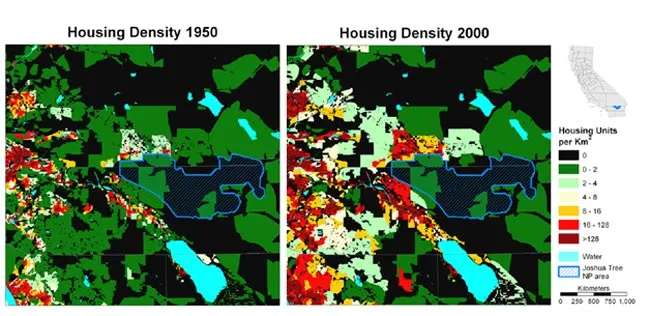
America's national forests are becoming islands of green that are increasingly trapped by an expanding sea of new houses, according to a new study.
Suburban growth threatens to cut off natural corridors, or "wild highways," that allow plants and animals to move from one wild patch to another.
Isolated forests "cannot function as well for biodiversity," said Volker Radeloff, a forestry professor at the University of Wisconsin-Madison.
Radeloff analyzed government census data on housing increases in and near all U.S. national forests between 1950 and 2000. He's presenting the results today at the 90th annual Ecological Society of America (ESA) meeting in Montreal, Canada.
The number of housing units within national forest boundaries increased from 500,000 to 1.5 million, an increase Radeloff largely attributes to inholdings, or parcels of forest land owned by private citizens.
In the Eastern U.S., most land was settled before national forests were established in the late 1800s. As a result, private landowners hold up to 46 percent of the land within forest administrative boundaries. Nationwide, inholders own about 17 percent of all national forest lands, Radeloff says.
As more people want to live near wilderness, Radeloff says, forests may be getting "loved to death."
Get the world’s most fascinating discoveries delivered straight to your inbox.
Related Stories:
