













Meditation Boosts Attention Span

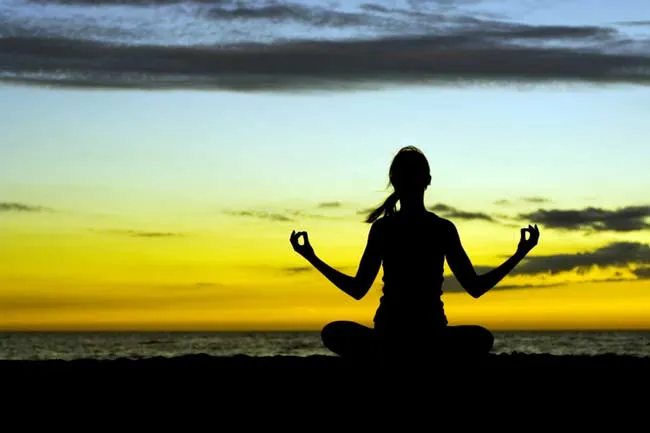
The life of a Buddhist monk may seem far-removed from the busy, gadget-packed daily buzz most of us experience. But new research suggests daily meditation can give us a piece of the peaceful life, as the focused practice boosts attention spans.
"You wonder if the mental skills, the calmness, the peace that [Buddhist monks] express, if those things are a result of their very intensive training, or if they were just very special people to begin with," said Katherine MacLean, who worked on the study as a graduate student at the University of California – Davis. [10 Ways to Keep Your Mind Sharp ]
To find out, MacLean and colleagues had a group of 30 people with an average age of about 49 go on a three-month meditation retreat in Colorado, while a second group of 30 waited their turn (and were used as a reference with which to compare results from the first meditation group). The second group went on the retreat three months after the end of the first retreat.
All participants had been on at least three five-to-10 day meditation retreats before, and on this occasion they studied with B. Alan Wallace, one of the study's co-authors and a meditation teacher and Buddhist scholar.
The participants completed various tests. For instance, at three points during the retreat, participants took a 30-minute computer test in which they watched the screen as lines flashed on it. Most lines were the same length, but every now and then a shorter one would appear, and the volunteer had to respond by clicking the computer mouse when this happened. The task was meant to measure visual attention span and the ability to make fine visual distinctions.
As meditation training progressed, participants got better at discriminating the short lines, which in turn made it easier to sustain attention. The result meant improved performance on the task over a long period of time. The performance improvement lasted five months after the retreat (the length of the follow-up period), particularly for those who continued to meditate every day.
"Because this task is so boring and yet is also very neutral, it's kind of a perfect index of meditation training," MacLean said. "People may think meditation is something that makes you feel good and going on a meditation retreat is like going on vacation, and you get to be at peace with yourself. That's what people think until they try it. Then you realize how challenging it is to just sit and observe something without being distracted."
Get the world’s most fascinating discoveries delivered straight to your inbox.
The set of experiments done by MacLean and a team of nearly 30 researchers with the same group of participants is the most comprehensive study of intensive meditation to date, the scientists say. Some of the results are published in the June issue of the journal Psychological Science.
Future analyses of these same volunteers will look at other mental abilities, such as how well people who meditate can regulate their emotions and their general well-being.
