













Nuclear Accidents Kill Brightly Colored Birds Most
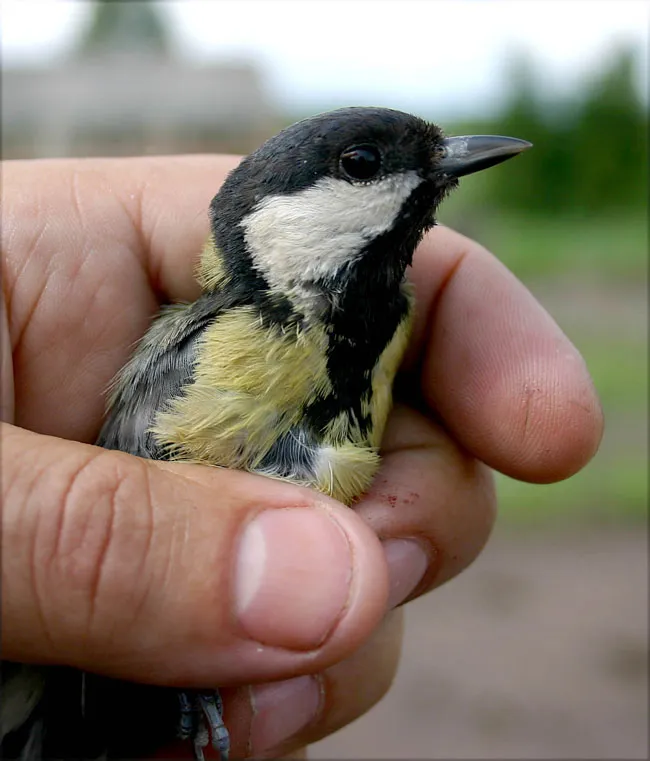
The brighter the bird, the less likely it is to survive the devastating effects of radiation exposure, according to a new study that examined avian populations around the 1986 nuclear disaster site at Chernobyl, Ukraine.
The same chemicals that some birds use to color their feathers are also used to mop up the cancer-causing free radicals that bombard them upon exposure to radiation, so when birds hijack these chemicals for their plumage, they have less left over for protection, the scientists said.
Previous research has suggested that animals deficient in chemicals called antioxidants are more likely to suffer DNA damage in the presence of radiation than other animals, because antioxidants soak up the damaging free radicals that radiation creates in the body.
Anders Møller, an ecologist at the Université Pierre et Marie Curie in Paris, and Timothy Mousseau, a biologist at the University of South Carolina, took their research one step further: They wanted to know whether birds that use more antioxidants in their everyday lives are, by extension, less likely to survive in radioactive environments.
The researchers counted the numbers and types of birds seen in 257 locations around Chernobyl and compared these to radiation levels measured in these areas.
The populations of birds with yellow, orange and red feathers—colors thought to be made using a class of antioxidants called carotenoids —were much smaller in the radioactive areas, when compared to other areas, than the populations of birds with plumage colors that did not require the use of antioxidants.
The findings confirm that antioxidants play a crucial role in protecting animals against the effects of radiation. Birds that used up their available antioxidants for plumage were less likely to survive the aftermath of the accident.
Get the world’s most fascinating discoveries delivered straight to your inbox.
“We found that bird species differed in their response to radiation from Chernobyl,” the researchers said in a prepared statement. “Although all species must cope with the potentially detrimental effects of free radicals, because of their use of antioxidants, certain species are predisposed to suffer most from these negative effects.”
Møller and Mousseau, whose study is published this week in the Journal of Applied Ecology, also found that the birds that migrate and disperse over long distances, as well as those that lay large eggs, suffer more of a population decline in radioactive areas compared to other species.
This is thought to be because strenuous physical activity—such as flying—and egg formation use up antioxidants too, they said.
- All About Birds
- World's 10 Most Polluted Places
- Image Gallery: Rare and Exotic Birds