













Juicy, Exotic, Decadent: Food Porn Is Actually Centuries Old
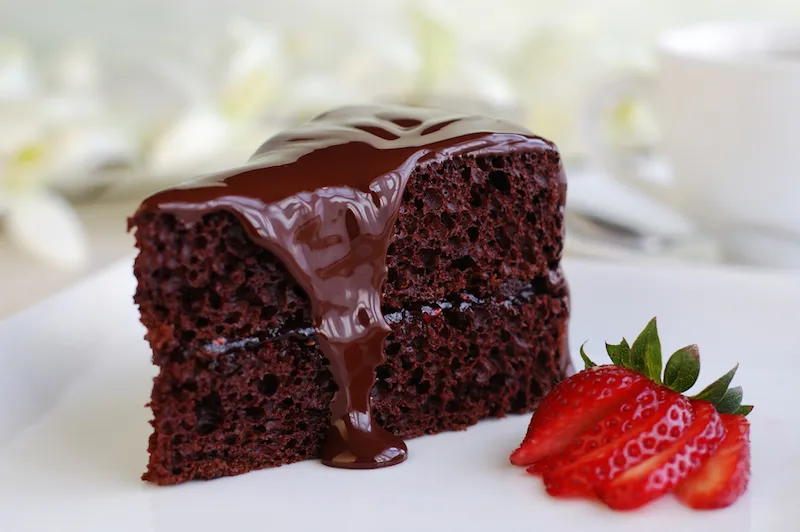
Chocolate cake that oozes fudge; a big, juicy burger dripping with cheese; or decadent sushi displayed oh-so-perfectly: If your social media feeds are overflowing with beautiful images of foods that make you salivate, you're not alone. And in fact, that so-called food porn existed long, long before social media.
It turns out, abundance and indulgence have been popular themes in food imagery in paintings for much of the last millennium: A survey of paintings from the past 500 years suggests that artists have always preferred depicting the most beautiful, exotic and alluring foods.
"Our love affair with visually appealing, decadent or status foods is nothing new," study co-author Andrew Weislogel, a curator at Cornell's Herbert F. Johnson Museum of Art, said in a statement. "It was already well established 500 years ago."
In the study, the researchers looked at the types of food present in paintings from the period between 1500 to 2000, done by artists in the United States, France, Germany, Italy and the Netherlands. [6 Distinctive Food Guides from Around the World]
They found that fruit was a commonly depicted food, showing up in 76 percent of the paintings, and lemons were particularly popular, appearing in 31 percent of the paintings overall.
Bread and pastries were found in 54 percent of the paintings. Meats of all kinds were in 39 percent of the paintings, and shellfish appeared in 22 percent.
The common thread is that the food items shown in the paintings tended to be rarer, more expensive and more indulgent than other food items of their time, the study authors said. Vegetables appeared in only 19 percent of the paintings. And among veggies, artichokes were the most common, perhaps because of their unusual looks, the authors said.
Get the world’s most fascinating discoveries delivered straight to your inbox.
"Most of the paintings depicted things that were visually pleasing, like exotic fruit or shellfish," Anu Mukund, a co-author of the study who was researcher at the Cornell Food and Brand Lab at the time of the research , said in a video explanation of the study.
And so just like today, food porn does not represent food reality. These paintings represent the food people would have liked to eat, Mukund said, rather than what they actually ate.
The study was published Tuesday (July 19) in the journal SAGE Open.
Original article on Live Science.