













Proposal to Implant Tracking Chips in Immigrants
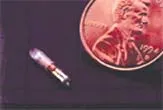
Scott Silverman, Chairman of the Board of VeriChip Corporation, has proposed implanting the company's RFID tracking tags in immigrant and guest workers. He made the statement on national television on May 16.
Silverman was being interviewed on "Fox & Friends." Responding to the Bush administration's call to know "who is in our country and why they are here," he proposed using VeriChip RFID implants to register workers at the border, and then verify their identities in the workplace. He added, "We have talked to many people in Washington about using it...."
The VeriChip is a very small Radio Frequency Identification (RFID) tag about the size of a large grain of rice. It can be injected directly into the body; a special coating on the casing helps the VeriChip bond with living tissue and stay in place. A special RFID reader broadcasts a signal, and the antenna in the VeriChip draws power from the signal and sends its data. The VeriChip is a passive RFID tag; since it does not require a battery, it has a virtually unlimited life span.
RFID tags have long been used to identify animals in a variety of settings; livestock, laboratory animals and pets have been "chipped" for decades. Privacy advocates have long expressed concerns about this technology being used in human beings.
In a related story, Colombian President Alvaro Uribe allegedly remarked that microchips could be used to track seasonal workers to visiting U.S. senators Jeff Sessions (Alabama) and Arlen Specter (Pennsylvania). "President Uribe said he would consider having Colombian workers have microchips implanted in their bodies before they are permitted to enter the US for seasonal work," Specter told Congress on April 25.
Implanting microchips in human beings for the purpose of monitoring is not exactly news for science fiction fans; Alfred Bester wrote about "skull bugs" in his 1974 novel The Computer Connection:
"...you don't know what's going on in the crazy culture outside. It's a bugged and drugged world. Ninety percent of the bods have bugs implanted in their skulls in hospital when they're born. They're monitored constantly." (Read more about Alfred Bester's skull bugs)
VeriChips are legal for implantation in people in the U.S.; see VeriChip RFID Tag Patient Implant Badges Now FDA Approved. See also a related story on a Proposed National Worker DNA Fingerprint Database. Read more at RFID implants for guest workers, Latin leader keen on ID chips and Chip implants for migrant workers?.
Get the world’s most fascinating discoveries delivered straight to your inbox.
Note: The source for this story was inadvertently omitted; read the press release at spychips.com; also, see the Silverman interview transcript.
(This Science Fiction in the News story used with permission from Technovelgy.com - where science meets fiction.)