













Ancient U.S. Antelope Migration Route in Danger
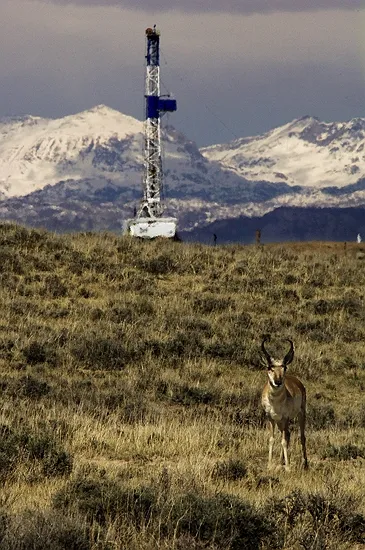
When pronghorn antelope find a route they like, they stick to it. The animals have been making the same difficult trek between Yellowstone and Grand Teton national parks for at least 6,000 years, a new study shows.
However, continued development of lands outside the parks and along the route could disturb it, endangering the pronghorn population and potentially disturbing the Yellowstone ecosystem.
The study is detailed in the June 27 online edition of the journal Biology Letters.
Bottlenecks
Using archeological data from historic kill sites and modern methods to track migration, the scientists discovered the 93-mile unvarying migration corridor. The antelope, Antilocapra americana, travel up to 30 miles a day along the route, which teeters along 8,500-foot mountain passes.
"It's amazing that this marathon migration persists in a nation of almost 300 million people," said Joel Berger, a Wildlife Conservation Society researcher. "At the same time, the migration is in real trouble, and needs immediate recognition and protection."
In places, the trail bottlenecks to about the width of a football field, with residential developments and petroleum extraction facilities on the sidelines.
Get the world’s most fascinating discoveries delivered straight to your inbox.
It would be relatively easy to preserve the migration route, say the study's authors, because the antelope has used the same migration corridor for so long, as opposed to other overland migrants which often change routes from year to year.
One of a kind
Pronghorn are the sole living endemic ungulate in North America, and are second only to Arctic caribou for long-distance migration in the Western Hemisphere. While they are abundant in many areas of the American West, the Yellowstone population numbers roughly 200 to 300 animals.
Previous uncertainty about the locations of past migrations and the importance of current corridors hampers conservation planning, the scientists said.
"The protection of this migration corridor is more than symbolic," Berger said. "An entire population from a national park could be eliminated, leaving a conspicuous gap in the ecology and function of native predator-prey interactions."
- VIDEO: Grand Teton National Park
- VIDEO: Yellowstone National Park
- How Reindeer Deal with Endless Winter Nights
- Elephant Tails Tell Tale of Diet, Migration
- Magical Mountains: The Best of Your Images