Ebola Outbreak in Africa Is 'One of Most Challenging Ever Faced'

Get the world’s most fascinating discoveries delivered straight to your inbox.
You are now subscribed
Your newsletter sign-up was successful
Want to add more newsletters?
Delivered Daily
Daily Newsletter
Sign up for the latest discoveries, groundbreaking research and fascinating breakthroughs that impact you and the wider world direct to your inbox.
Once a week
Life's Little Mysteries
Feed your curiosity with an exclusive mystery every week, solved with science and delivered direct to your inbox before it's seen anywhere else.
Once a week
How It Works
Sign up to our free science & technology newsletter for your weekly fix of fascinating articles, quick quizzes, amazing images, and more
Delivered daily
Space.com Newsletter
Breaking space news, the latest updates on rocket launches, skywatching events and more!
Once a month
Watch This Space
Sign up to our monthly entertainment newsletter to keep up with all our coverage of the latest sci-fi and space movies, tv shows, games and books.
Once a week
Night Sky This Week
Discover this week's must-see night sky events, moon phases, and stunning astrophotos. Sign up for our skywatching newsletter and explore the universe with us!
Join the club
Get full access to premium articles, exclusive features and a growing list of member rewards.
The Ebola outbreak in the west African countries of Guinea and Liberia may have now claimed more than 100 lives.
"This is one of the most challenging Ebola outbreaks that we have ever faced," Dr. Keiji Fukuda, an official at the World Health Organization, said in a news conference today (April 8) in Geneva, Switzerland, CNN reported.

Guinea has had as many as 157 suspected cases of illness, and 101 deaths (67 of which are confirmed) from the deadly virus. In neighboring Liberia, another 21 cases and 10 deaths (5 confirmed) have been reported. Cases of illness have been reported in Sierra Leone, Mali and Ghana, but none of these have been confirmed to be due to ebola, according to the WHO.
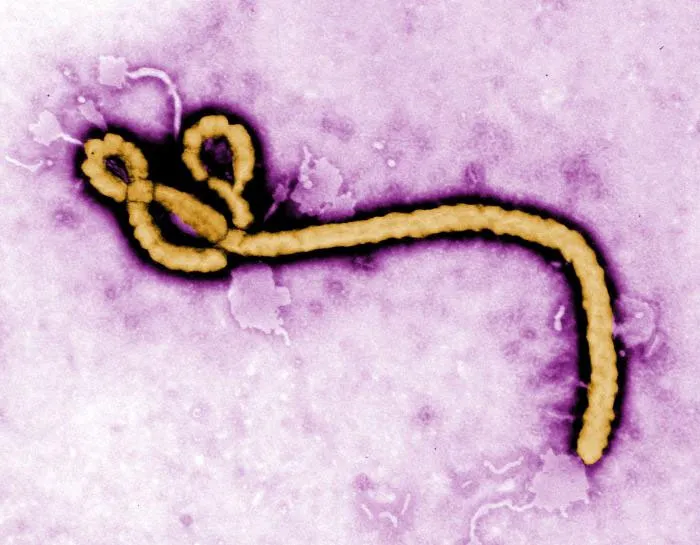
The ebola virus spreads from person to person through bodily fluids and close contact, causing high fevers, diarrhea, vomiting, and internal and external bleeding. Ebola virus disease has a fatality rate of up to a 90 percent, according to the WHO.
The outbreak began in the forests of southeastern Guinea in February. Most of the deaths have occurred in the city of Guekedou, and Guinea's capital, Conakry, has had 20 cases, according to CNN.
The virus's rapid spread is due to the wide geographic distribution of cases, as well as its lethality, Fukuda said, according to The Wire. "These kind of outbreaks are often surrounded by a great deal of fear and anxiety, creating rumors and making communications challenging and important."
The virus spreads to humans from wild animals such as chimpanzees, and fruit bats are thought to be its natural host.
Get the world’s most fascinating discoveries delivered straight to your inbox.
Follow Tanya Lewis on Twitter and Google+. Follow us @livescience, Facebook & Google+.