













1 in 4 Surgery Errors Due to Technology Problems

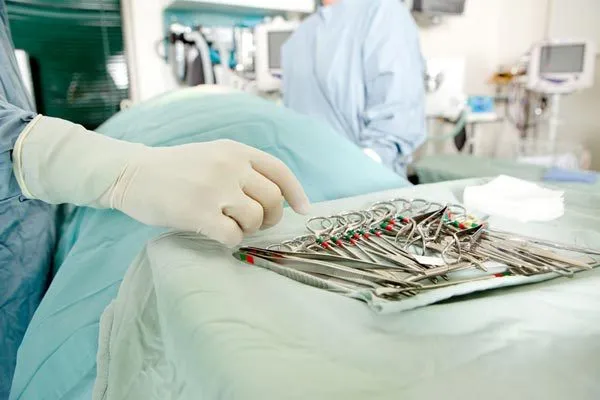
Technology or equipment issues cause one in four operating room errors, and device checks before surgery could prevent some of them, a new study finds.
About 15 errors occur during a typical operation, researchers found. Equipment failure accounted for about 24 percent of these errors.
The results show equipment problems form a substantial proportion of all errors occurring in the operating room, the researchers said. Operations that rely heavily on technology, such as heart surgeries, had higher rates of equipment problems than did general surgeries.
Performing equipment checks before surgeries, using briefing tools and conducting staff training programs reduced error rates by half, the study found.
"There is clear benefit in the use of preoperative checklist-based systems, by which a large proportion of equipment-related error and overall error can be reduced," the researchers said. They recommended that equipment checks become routine practice and be included in the current World Health Organization Surgical Safety Checklist.
In the study, researchers categorized equipment problems into three groups: a lack of availability of needed equipment accounted for 37 percent of equipment failures; problems with equipment configuration and settings occurred in 44 percent of cases, and device malfunctioning was responsible for 33 percent of cases. "The increasing use of technology in all surgical specialties may also increase the complexity of the surgical process, and may represent an increasing propensity to error from equipment failure," the researchers wrote in their study, published online today (July 25) in the journal BMJ Quality & Safety.
Previous studies have shown that medical errors affect 13-16 percent of patients, with surgical procedures responsible for around half of these adverse events.
Get the world’s most fascinating discoveries delivered straight to your inbox.
Email Bahar Gholipour. Follow LiveScience @livescience, Facebook & Google+. Original article on LiveScience.com.
