








-
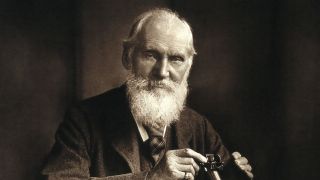 Book excerpt'No one dared question his results': How thermodynamics sparked a heated debate about Earth's age in the 19th century
In this excerpt from "This is Life: A Journey from Inside Your Body to Beyond Earth," author and physicist Christophe Galfard explores the way 19th century scientists were starting to use thermodynamics to understand just how old Earth is.
-
-
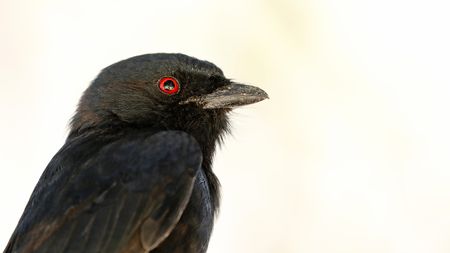 Book excerptCan animals lie? This sneaky bird might be proof.
In his new book, "Liars, Cheats and Copycats," biologist James O'Hanlon surveys deception across the animal kingdom and asks whether any of it adds up to lying.
-
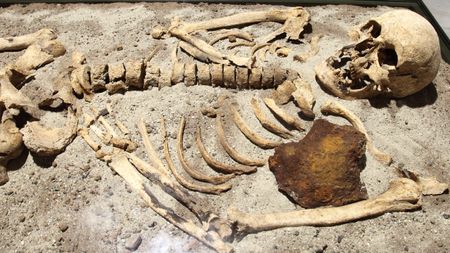 Book excerptHow purported tales of consuming vampire blood and organs spread in the 18th century
In this excerpt from "Killing the Dead," author John Blair looks at how the printed press ramped up tales of vampirism, leading to stories of people eating a supposed vampire's organs and drinking their blood in a bid to avoid the same fate.
-
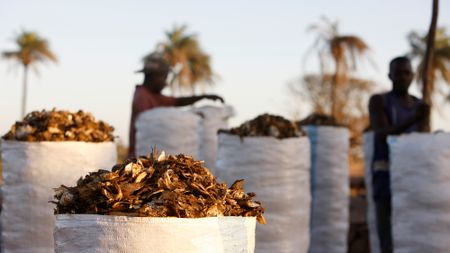 Book excerpt'They cannot compete with the prices that fish factories will pay': How demand for fish meal takes priority over feeding people
In this excerpt from "Every Last Fish," author Rose George examines the deep-rooted problems of the regulations surrounding fish meal.
-
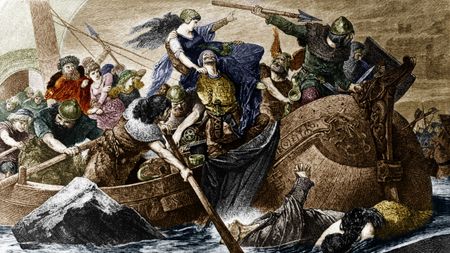 Book excerpt'The back of her head had been removed by a single blow from a sharp blade': Archaeological clues are revealing the horrific lives and deaths of the people enslaved by Vikings
In this excerpt from "The Sea-King and the Sorceress," author Neil Price looks at the lesser known lives of the people enslaved by Vikings: the thralls.
-


-
-
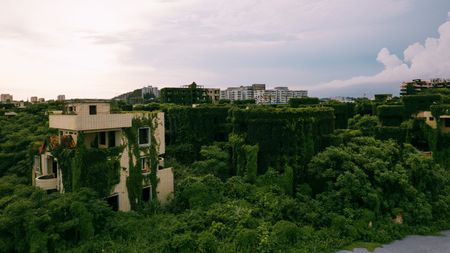 Book excerpt'The apparent chaos of the Anthropocene is turbocharging evolution itself'
In this excerpt from "Despite it All," author Fred Pearce explores the ways plants are adapting and evolving in the face of climate change — and how we need to recognize this reality and foster its potential boost to biodiversity, rather than holding steadfast to our notions of what types of nature should and shouldn't be allowed to thrive.
-
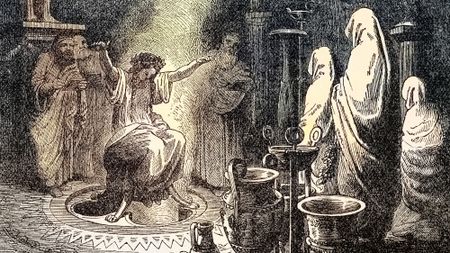 Excerpt'A dangerous proposition': How AI is warping the social fabric and the ways we collectively imagine the future
In this excerpt from "Predicted: How AI Is Restructuring Social Life," author Mona Sloane examines how artificial intelligence is reconfiguring our understanding of the world and how we imagine the future.
-
 Excerpt'He looked like Ramses the Great': How experimental archaeologists used ancient techniques to mummify a modern-day person
In his new book, "Dinner with King Tut: How Rogue Archaeologists Are Re-creating the Sights, Sounds, Smells, and Tastes of Lost Civilizations," science writer Sam Kean explains the odd and intriguing world of experimental archaeologists.
-
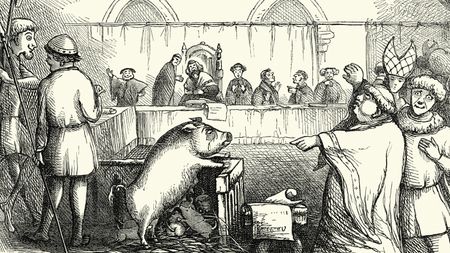 Excerpt'Animals were imprisoned in jails where humans were incarcerated': The bizarre trials of the Late Middle Ages — and surprising lack of criminal cats
Animal trials took place across Europe from the Late Middle Ages until the end of the 18th century. In this excerpt from "Cats: A History", Rod Phillips explores this strange practice, and looks why cats appear to have been largely law-abiding.
3 Comments -
 Excerpt'We were being bullied in our own home': How 'authoritarian' HOAs are contributing to the insect apocalypse
In the book "Bitter Honey," writer and researcher Jennie Durant explores how industrial agriculture is destroying bees — and what can be done to stop them.
3 Comments -
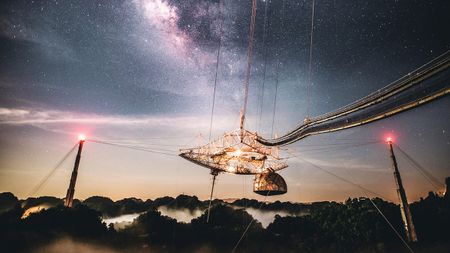 Book excerpt'I have no doubt that life is out there': Why radio astronomers are convinced alien contact is only a matter of time
In the book "The Echoing Universe: How Radio Astronomy Helps Us See the Invisible Cosmos," astrophysicist Emma Chapman describes the hidden corners of space that only radio waves can reveal — and makes the case for contacting aliens.
9 Comments -
 Book excerpt'If astrological compatibility exists, its effects should be observable': How one study of 20 million people shows star signs have no influence on romantic compatibility
In this excerpt from "What Science Says About Astrology," author Carlos Orsi examines a 2007 study of 20 million people that showed star signs have no influence on romantic relationships.
16 Comments -
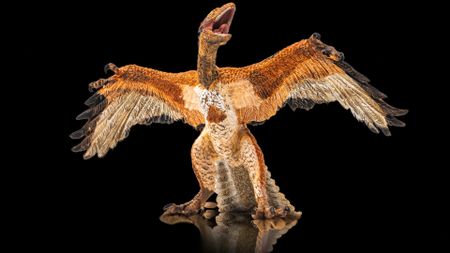 Dinosaurs'He began to cry, and almost fell to the floor': The fluffy fossil that finally showed the world that birds are dinosaurs
In this excerpt from "The Story of Birds", author Steve Brusatte explores the moment where paleontologists realized they had critical evidence to show birds came from dinosaurs — a fluffy fossil from China.
7 Comments -
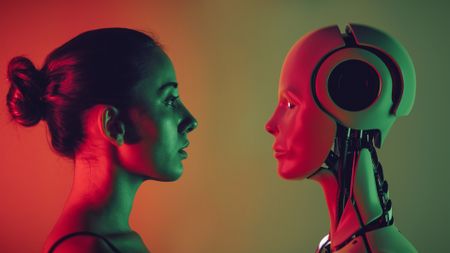 Book'We're the best servants anyone could dream of!': AI superintelligence has no need to enslave humans because we're already bowing to it
A future AI would have no need to rid the world of humanity because we're incredibly useful. But if it did want to shrug us off, this is how it would likely play out.
3 Comments
-


