








-
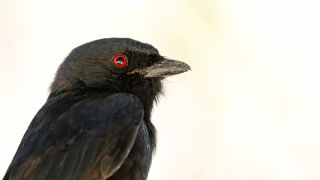 Book excerptCan animals lie? This sneaky bird might be proof.
In his new book, "Liars, Cheats and Copycats," biologist James O'Hanlon surveys deception across the animal kingdom and asks whether any of it adds up to lying.
-
-
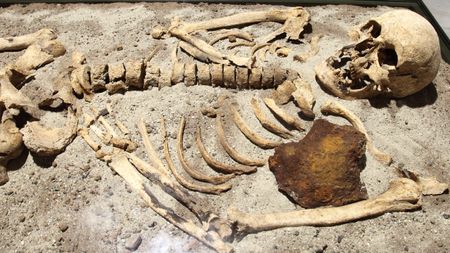 Book excerptHow purported tales of consuming vampire blood and organs spread in the 18th century
In this excerpt from "Killing the Dead," author John Blair looks at how the printed press ramped up tales of vampirism, leading to stories of people eating a supposed vampire's organs and drinking their blood in a bid to avoid the same fate.
-
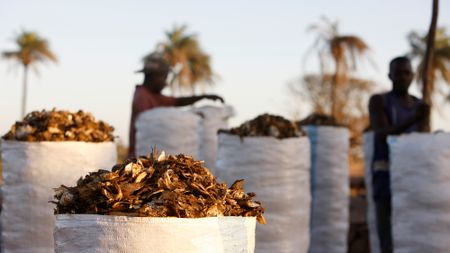 Book excerpt'They cannot compete with the prices that fish factories will pay': How demand for fish meal takes priority over feeding people
In this excerpt from "Every Last Fish," author Rose George examines the deep-rooted problems of the regulations surrounding fish meal.
-
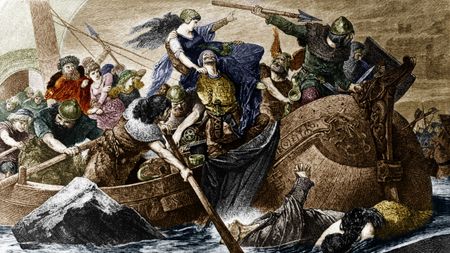 Book excerpt'The back of her head had been removed by a single blow from a sharp blade': Archaeological clues are revealing the horrific lives and deaths of the people enslaved by Vikings
In this excerpt from "The Sea-King and the Sorceress," author Neil Price looks at the lesser known lives of the people enslaved by Vikings: the thralls.
-
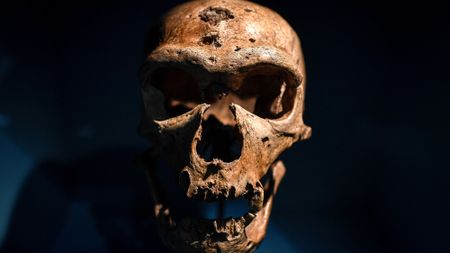 Book excerpt'News reports tweaked the science to speak to contemporary anxieties': How Neanderthal extinction is a projection of our own, modern fears
In this excerpt from "Neanderthals Among Us," author Peter Sahlins looks at the way Neanderthal extinction theories are often engrained with our own societal fears.
-


-
-
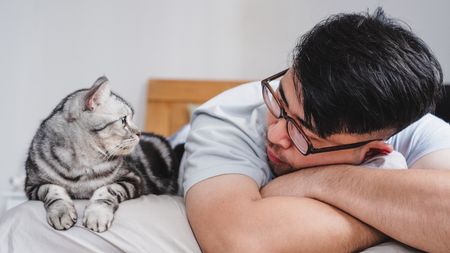 Book'Parasites of human societies': How did we end up so close to cats?
In the book "The Call of the Honeyguide," applied ecologist Rob Dunn explores mutually beneficial relationships between different species. But Dunn argues the relationship between humans and cats may force a rethink of what shape these mutualisms can take.
30 Comments -
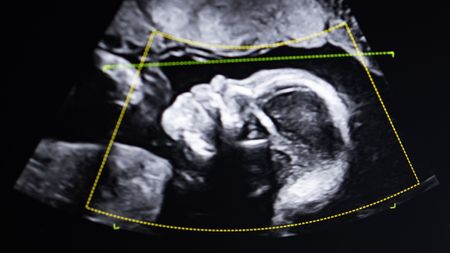 Genetics'It doesn't lie. So who are you?': What happens when DNA tests show a woman is not the mother of the child she gave birth to?
"At first, I kind of laughed … But they were serious. I could just see the seriousness in their faces." In this book excerpt, Lise Barnéoud explores the limitations of DNA testing.
6 Comments -
 BookEmerging embryo-selection technologies are currently 'little more than snake oil.' But someday, they could widen social inequities.
In the book "What We Inherit," experts unpack long-standing myths about genes and how those myths could shape public opinion around emerging embryo-selection technologies.
-
 Evolution'Maybe they're waiting for something that only happens thousands of years later': The hidden life 'sleeping' deep beneath Earth for millions of years
Deep inside Earth lies a hidden world of "intraterrestrials" that have been dormant for hundreds of thousands of years — what are they waiting to "wake up" for?
5 Comments -
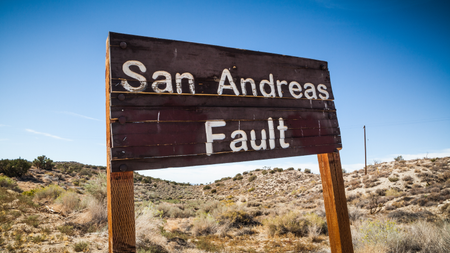 EarthquakesParkfield, San Andreas, and the quest for a 'crystal ball' for predicting earthquakes before they happen
A small town in California was hit by earthquakes once every 22 years for over a century, setting the stage for a major seismic experiment in the 1980s and 90s. But the quake ended up being 11 years late. In this excerpt from "When Worlds Quake," geophysicist Hrvoje Tkalčić looks at why predicting earthquakes is so difficult.
-
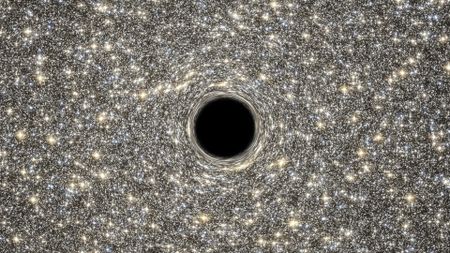 Black Holes'Torn apart by the darkness': What would happen if a human fell into a black hole?
What would a human see and feel while falling into a black hole? In this exclusive excerpt of his new book, "Facing Infinity," author and astrophysicist Jonas Enander tells us in terrifying detail.
5 Comments -
 Neuroscience'As if a shudder ran from its brain to its body': The neuroscientists that learned to control memories in rodents
In this adapted excerpt from "How to Change a Memory," author and neuroscientist Steve Ramirez recounts the events that led him and his colleagues to discover memories could be artificially controlled in rodents by zapping their brains with lasers.
3 Comments -
 BookFuture pandemics are a 'certainty' — and we must be better prepared to distribute vaccines equitably
Months before COVID-19 was declared a pandemic, efforts were already underway to ensure low-income countries would get access to future vaccines against the infection. The book "Fair Doses" tells that story and discusses the ongoing fight for vaccine equity around the world.
-
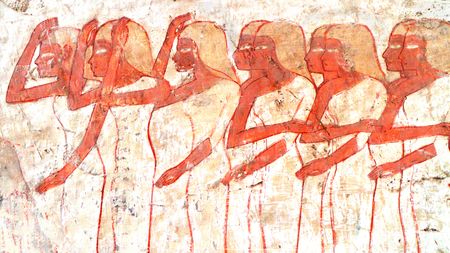 Ancient Egyptians'The papyrus also recommends putting a clove of garlic in your vagina before bed': The texts that reveal the baffling healthcare for women in ancient Egypt
In this excerpt from "Born: A History of Childbirth," author and historian Lucy Inglis reveals records from ancient Egypt that show how female physicians treated issues of "the womb," how men reacted to periods, and how the first known pregnancy test actually worked.
-


