

-
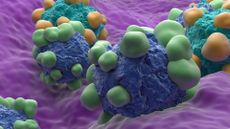 Healthy tissue may predict lung cancer return better than tumors
A new study suggests that the gene activity in healthy tissue surrounding tumors could better predict whether a patient's lung cancer might return after surgery.
cancer -
 Millions more people need lung cancer screening, ACS says
New guidelines from the American Cancer Society suggest millions more people should get yearly lung cancer screenings than were previously recommended to.
cancer -
 Cancer screening may not extend lives, new study suggests. But experts say it's flawed.
A new analysis of screening tests for four types of cancer suggests that only one actually increases life span, on average. But what do scientists think?
cancer -
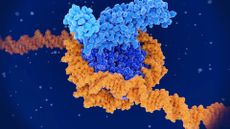 DNA's 'topography' influences where cancer-causing mutations appear
The topographical features of DNA in the body may dictate where and when cancer-causing mutations appear in its code.
cancer -
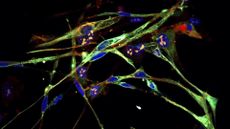 CRISPR used to 'reprogram' cancer cells into healthy muscle in the lab
In a new study, stopping skeletal-muscle cancer cells from making a specific protein forced them to turn into healthy muscle cells.
cancer -
 'Disappearing' Y chromosome in aging men may worsen bladder cancer, mouse study shows
As men get older, they can lose Y chromosomes in a portion of their cells. This could be helping certain cancers evade the immune system.
cancer -
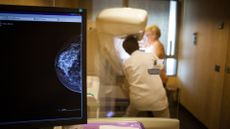 AI predicts 5-year breast cancer risk better than standard tools — but we aren't sure how it works
Artificial intelligence models can use breast imaging data to pinpoint those at highest risk of getting breast cancer in the next five years, better than a standard approach.
cancer -
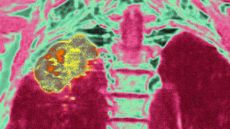 Lung cancer pill drastically cuts risk of death after surgery
Taking the drug Tagrisso daily after surgery reduced non-small cell lung cancer patients' death risk by more than 50%.
cancer -
 Breast cancer screening should start at age 40, expert task force says
A task force of experts recommended that female patients be screened for breast cancer starting at age 40.
cancer


