

-
 AI-supported breast cancer screening spots more cancers earlier, landmark trial finds
A clinical trial shows that AI-assisted mammography can detect more cases of dangerous cancer and reduce missed diagnoses.
cancer -
 New triple-drug treatment stops pancreatic cancer in its tracks, a mouse study finds
By targeting three key growth pathways at once, researchers eliminated pancreatic tumors in multiple mouse models and prevented the cancer from returning, a promising step toward overcoming treatment resistance.
9 Commentscancer -
 Color blindness linked to lower bladder cancer survival, early study hints
People with color blindness may be less able to spot an early sign of bladder cancer, making them likelier to be diagnosed later, a study suggests.
5 Commentscancer -
 New tests could nearly halve the rate of late-stage cancers, some scientists say — is that true?
Blood tests that look for over a dozen cancers are being developed. But how soon will they help patients?
cancer -
 It matters what time of day you get cancer treatment, study suggests
Giving immunotherapy earlier in the day can significantly extend patients' survival, compared to giving treatment later in the day, a new study of lung cancer shows.
cancer -
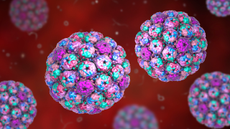 Widespread cold virus you've never heard of may play key role in bladder cancer
Scientists uncovered how childhood BK virus infections may set off cancer-causing mutations decades later: by activating a host immune system enzyme that attacks DNA.
cancer -
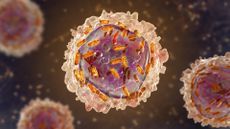 Science history: Female chemist initially barred from research helps develop drug for remarkable-but-short-lived recovery in children with leukemia — Dec. 6, 1954
In December 1954, Gertrude Elion and colleagues described a new compound they had developed that sent children with leukemia into remission. It would guide a new approach to "rational drug design."
12 Commentscancer -
 High-fiber diet may 'rejuvenate' immune cells that fight cancer, study finds
A laboratory study reveals an interaction between dietary fiber and the gut microbiome that may be helpful for fighting cancer.
3 Commentscancer -
 'Chemo brain' may stem from damage to the brain's drainage system
An early-stage study has found that a common chemotherapy drug disrupts lymphatic cells in the tissue surrounding the brain. This is linked to memory issues in mice.
cancer


