













Study: Microwaves Kill Kitchen Germs

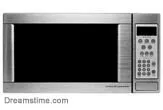
Sponges and kitchen scrub brushes can be loaded with disease-causing viruses and bacteria.
So microwave them, scientists say.
Researchers soaked sponges and scrubbers in a disgusting brew of raw wastewater containing fecal bacteria, viruses, protozoan parasites and bacterial spores, including Bacillus cereus spores—known for being very hard to kill with heat, chemicals and even radiation.
Zapping at full power for two minutes killed or inactivated 99 percent of living pathogens. It took 4 minutes to destroy the B. cereus spores.
“People often put their sponges and scrubbers in the dishwasher, but if they really want to decontaminate them and not just clean them, they should use the microwave," said Gabriel Bitton, a professor of environmental engineering at the University of Florida.
The study was announced today and was detailed in the December issue of the Journal of Environmental Health.
Other studies have shown that sponges and dishcloths are common carriers of pathogens from uncooked eggs, meat and other food. Damp objects help them thrive.
Get the world’s most fascinating discoveries delivered straight to your inbox.
The researchers suggest wetting the objects—water being heated by the microwave seems to play a role in the sterilization—before zapping them every other day or so.
- Top 10 Mysterious Diseases
- How Does a Microwave Oven Work?
- Viruses Approved for Treating Food
- All About Bacteria
- All About Viruses
