













Monarch Butterflies Considered for Endangered Species Status

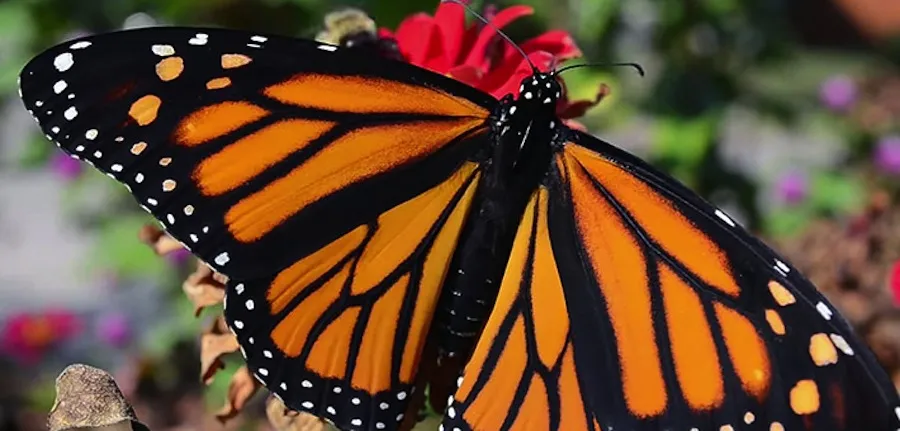
The monarch butterfly, once common across the United States, could soon end up on the Endangered Species List.
Over the next year, the U.S. Fish and Wildlife Service will determine whether the iconic black-and-orange butterflies deserve the federal protections that come with being listed an endangered or threatened species.
By some estimates, the monarch butterfly population has declined by 90 percent over the past two decades, from about 1 billion butterflies in the mid-1990s to just 35 million individuals last winter.
That loss is "so staggering that in human-population terms it would be like losing every living person in the United States except those in Florida and Ohio," Tierra Curry, a senior scientist at the Center for Biological Diversity, said in a statement.
The Center for Biological Diversity and other advocacy groups, including the Center for Food Safety, had asked the federal government to step in with a legal petition filed in August 2014.
The U.S. Fish and Wildlife Service determined that the petition was worth its consideration, and the agency launched a year-long review into the status of monarch butterflies this week.
Scientists behind the petition say the butterfly's decline is linked to a rise in genetically engineered crops in the Midwest. Many of these crops are altered to be resistant to Monsanto's Roundup herbicide, which kills milkweed, the monarch caterpillar's only source of food.
Get the world’s most fascinating discoveries delivered straight to your inbox.
The herbicide is so successful that milkweed plants have virtually disappeared in Midwestern corn and soybean fields, and monarch butterflies have effectively lost a Texas-size chunk of their habitat, according to the petition.
The Fish and Wildlife Service is accepting public comments for their status review until March 2.
Follow Megan Gannon on Twitter and Google+. Follow us @livescience, Facebook & Google+. Original article on Live Science.
