














As Cancer Deaths Fall, Malignant-Melanoma Rates Climb (Op-Ed)
Dr. Doris Day, a dermatologist at Lenox Hill Hospital in New York, contributed this article to LiveScience's Expert Voices: Op-Ed & Insights.
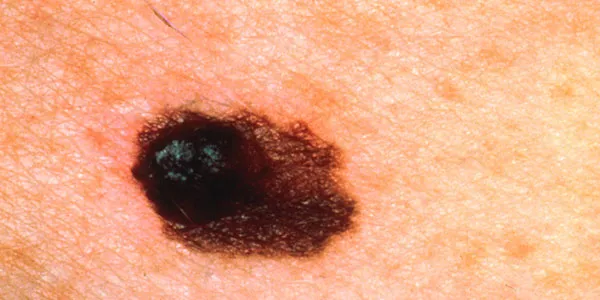
The American Cancer Society reports that death rates for many cancers in the United States have fallen — but that's not the case for melanoma. In fact, the numbers are only getting worse: One person dies from malignant melanoma every hour in the U.S.
With changes in both climate and the ozone layer, increased use of tanning beds, a constant barrage from special-interest groups questioning the safety of sunscreen ingredients, and the perceived need for sun exposure for vitamin D, the public is increasingly uncertain as to how to safely enjoy time outdoors without putting their skin at increased risk for skin cancer.
Melanoma rates have been increasing for the past 30 years. It is one of the more common cancers in people younger than 30, and the most common cancer in adults ages 25 to 29. Those who tan in indoor ultraviolet (UV) tanners are 74 percent more likely to develop melanoma than those who have never tanned indoors. A person's risk for melanoma doubles if he or she has had five or more sunburns (even if they were not severe).
The facts are no longer being disputed: The U.S. Department of Health and Human Services has declared UV radiation from the sun and artificial sources, such as tanning beds and sun lamps, as a known carcinogen — and indoor tanning lamps emit UVA and UVB radiation at levels that can be as much as 15 times stronger than those of the sun. The American Academy of Dermatology, the Skin Cancer Foundation and others have been working overtime to encourage laws to minimize or ban the use of tanning beds by minors, and even add a warning label on tanning beds, much like what you see on a package of cigarettes — but they're up against a multibillion-dollar tanning-salon industry with a large lobbying group.
Awareness is key. More than 2 million nonmelanoma skin cancers are diagnosed annually, but surprisingly, only 37 percent of American adults believe they are at risk for skin cancer. Seventy-six percent of American adults have not had a skin-cancer screening by a dermatologist. Only 23 percent of American adults perform monthly mole self-checks. One of the most important aspects is understanding sun-smart behavior . This means trying to avoid midday sun, staying in the shade when possible, wearing physical protection, such as hats and sun-protective clothing and sunglasses, and applying a sunscreen with sun protection factor (SPF) of 30 or higher and reapplying it regularly throughout the day. It's also important to have regular skin exams from a dermatologist, since the cure rate for melanoma is greater than 98 percent when found early.
New treatments for advanced melanoma , Lambrolizumab and Nivolumab, are turning out to be game changers, and literally lifesavers, for those who in the past had very limited — and toxic — treatment options. The newest treatments work to boost the body's immune response and lead to tumor regression and prolonged survival, with limited toxicity, in a significant number of patients. This is very encouraging and may be only the beginning. The next steps are to identify patients' individual genetic influences on tumor cells (to reliably identify and treat patients based on how they will respond to a given medication), and to amplify those effects for more complete and lasting results.
Get the world’s most fascinating discoveries delivered straight to your inbox.
In the meantime, keep your hat on, apply your sunscreen, have a skin-cancer screening and enjoy the summer ahead!
The views expressed are those of the author and do not necessarily reflect the views of the publisher. This article was originally published on LiveScience.com .