













US Amphibians in Sharp Decline

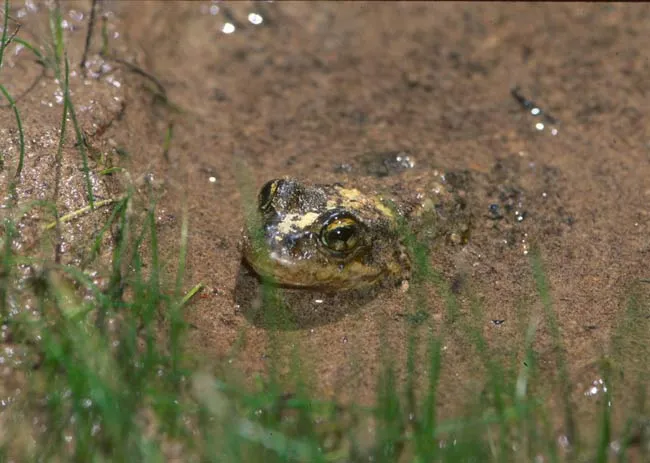
Scientists have been tracking the dramatic population decline of frogs, salamanders and toads around the world for years. A new study brings more bad news stateside: Amphibians are vanishing from U.S. habitats faster than feared, and even populations thought to be protected are in trouble, too.
A team of researchers with the U.S. Geological Survey (USGS) studied nine years worth of data on 48 species living in 34 different habitats across the country. They found that from 2002 to 2011, amphibian populations disappeared from their habitats at an average rate of 3.7 percent each year. That means within just two decades, you won't be able to find frogs or their relatives in half of the country's current amphibian habitats if that pace continues.
The prognosis is worse for more severely threatened species. American amphibian populations on the International Union for Conservation of Nature's (IUCN) "Red List" have been shrinking at a rate of 11.6 percent each year, the study found. At that alarming speed, these endangered creatures will disappear from half of their habitats in about six years, the researchers said.
"Even though these declines seem small on the surface, they are not," study leader Michael Adams, a USGS ecologist, said in a statement. "Small numbers build up to dramatic declines with time. We knew there was a big problem with amphibians, but these numbers are both surprising and of significant concern." [Image Gallery: Cute and Colorful Frogs]
The study found that the decline is geographically widespread, from swampy habitats in Louisiana and Florida to the mountain ranges of the Sierras and Rockies. What's more, even amphibians in safeguarded areas, like national parks and national wildlife refuges, are not immune to the trend, the researchers said.
"The declines of amphibians in these protected areas are particularly worrisome because they suggest that some stressors — such as diseases, contaminants and drought — transcend landscapes," Adams said. "The fact that amphibian declines are occurring in our most protected areas adds weight to the hypothesis that this is a global phenomenon with implications for managers of all kinds of landscapes, even protected ones."
Amphibians' permeable skin and complex water-and-land life cycle make them more vulnerable to environmental changes than most animals. Frogs, salamanders and their ilk have been on the planet since before the age of the dinosaurs and they have survived changes in climate before, but the new evidence illustrates just how difficult it has been for amphibians to keep up with today's rapid changes.
Get the world’s most fascinating discoveries delivered straight to your inbox.
"Amphibians have been a constant presence in our planet's ponds, streams, lakes and rivers for 350 million years or so, surviving countless changes that caused many other groups of animals to go extinct," USGS director Suzette Kimball said in a statement. "This is why the findings of this study are so noteworthy; they demonstrate that the pressures amphibians now face exceed the ability of many of these survivors to cope."
The research was sponsored by the USGS Amphibian Research and Monitoring Initiative and was detailed in the journal PLOS ONE today (May 23).
Follow Megan Gannon on Twitter and Google+. Follow us @livescience, Facebook& Google+. Original article on LiveScience.com.
