













In Photos: The Peskiest Alien Mammals

Aliens Are Coming
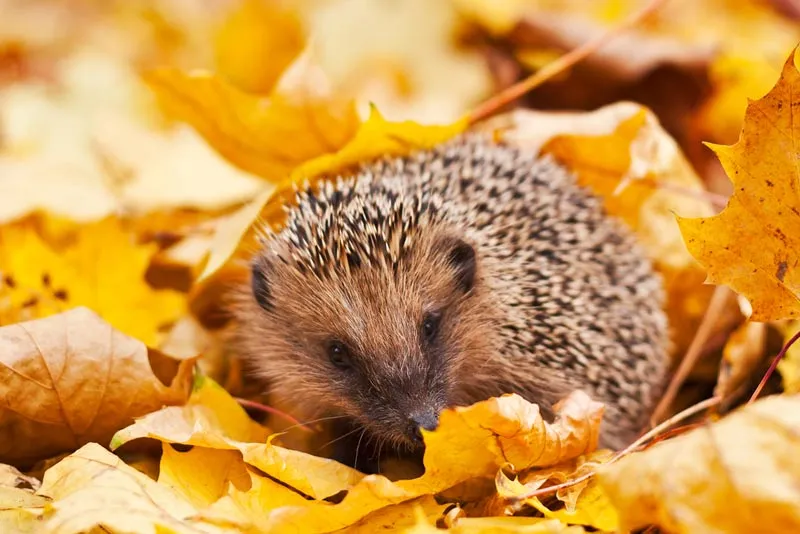
Whether deliberate or a complete accident (d'oh), humans have introduced invasive mammals at least 740 times in Europe, according to a study published in the September 2012 issue of the journal Integrative Zoology. The researchers documented the date of more than 630 of the first landings. Here are 14 of the worst, and weirdest, of those invaders, including when and where they invaded.
American Mink
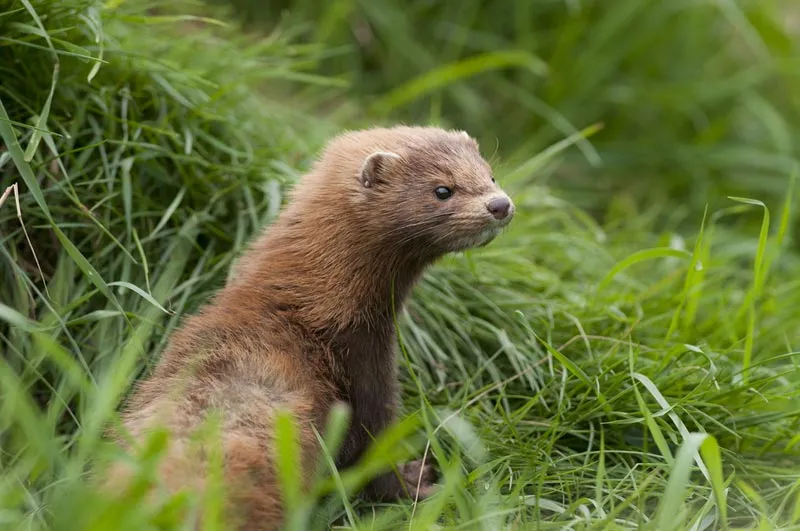
Species: Neovison vison
Origin: North America
When it invaded Europe: 1920s
Where: The first animals were brought over for farming during the 1920s fur coat craze. The carnivore spread via accidental and deliberate release throughout most of Europe.
Why: Competes with the European mink for habitat and caused the collapse of several seabird colonies.
Impact: Affects 47 native species in Europe.
House Cat
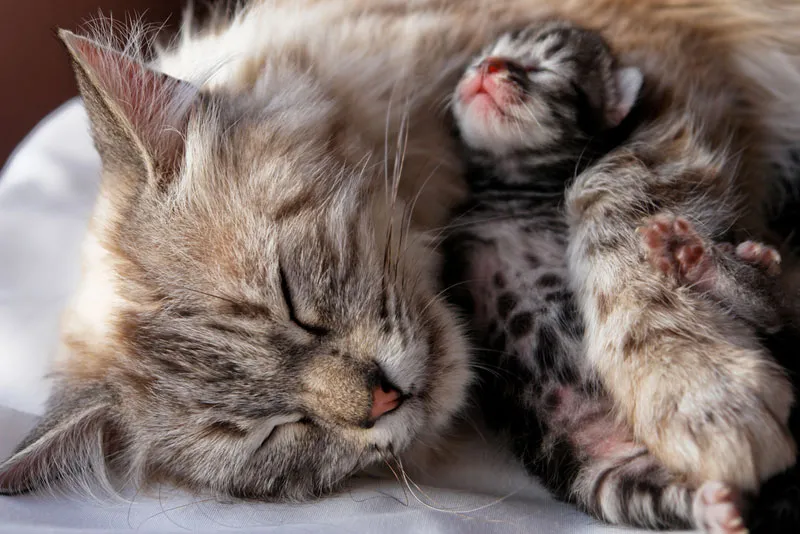
Species: Felis catus
Origin: Egypt
Where: Italy
When: 900 B.C.
Why: Domestic and feral cats hunt for food and for sport, killing billions of birds, small mammals and reptiles every year. The animals also spread disease to wild cat populations and to humans. Ranked 38th on the list of 100 of the world's worst invasive alien species by the International Union for Conservation of Nature.
Impact: Preys on 16 threatened native species in Europe.
Feral Goats

Species: Capra hircus
Origin: Western Iran
Where: Mainly a problem on small islands, especially in the U.K., the Canary Islands, Balearics, Crete, Aegean Islands, and Corsica.
When: 7,500 years before present
Why: Goats trample vegetation and overgraze, ruining available habitat for native animals and threatening vulnerable plants. Ranked 17th on the list of 100 of the world's worst invasive alien species by the International Union for Conservation of Nature.
Impact: Affects 15 threatened species in Europe.
European Hedgehog
Species: Erinaceus europaeus
Where: The Outer Hebrides, Scotland
Origin: Mainland U.K. and Europe
When: 1974
Why: A gardener hoped adding hedgehogs to his plot would control snails and slugs. But the prickly beasts also eat bird eggs. Since their introduction, the island has seen a severe decline in ground-nesting bird species. Scientists estimate more than 5,000 hedgehogs live on Uist.
Impact: Affects four threatened species in Europe.
Rats!
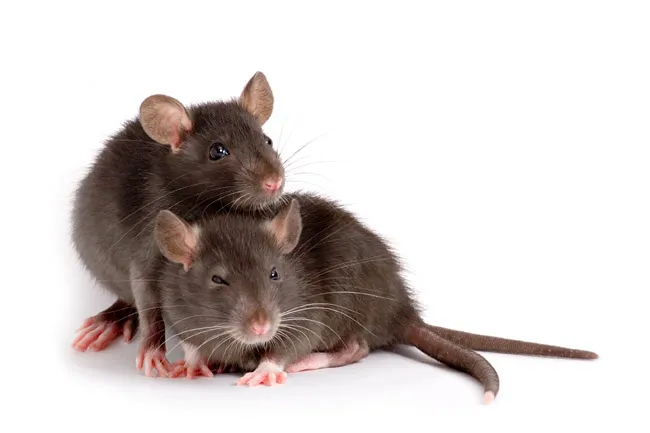
Species: Rattus rattus (black)andRattus norvegicus (brown)
Origin: The black rat is thought to originate in northeast China, whilst the brown rat came from India.
Where: EVERYWHERE
When: The black rat was first to Europe, appearing in the western Mediterranean 2,400 years before present. The Norway rat showed up in 1700.
Why: Where to start? Rats not only caused the extinction of native mammals, birds, reptiles and invertebrates throughout the centuries, they carry the rat flea, source of the Europe's worst scourge, the plague. As omnivores, rats eat seeds and seedlings, impacting native plants and spoiling human food stores. The black rat is ranked 80th on the list of 100 of the world's worst invasive alien species by the International Union for Conservation of Nature.
Impact: Together, they affect 28 native species in Europe.
Get the world’s most fascinating discoveries delivered straight to your inbox.
House Mouse
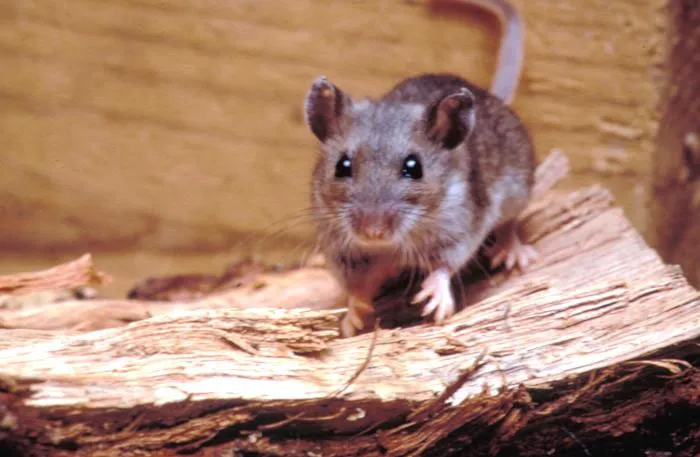
Species: Mus musculus
Origin: India
Where: Probably in your walls right now
When: 4,000 years before present
Why: Mice make the list for their impact on human crops and food stores. They also play host to a range of diseases and parasites, including bubonic plague and salmonella. As close to humans as dogs, mice accompanied migrating bands of settlers into Europe. Ranked 58th on the list of 100 of the world's worst invasive alien species by the International Union for Conservation of Nature.
Impact: They affect six native species in Europe
Siberian Chipmunk

Species: Tamias sibiricus
Origin: South Korea
Where: Pets released in countries including France, Germany, Austria, The Netherlands, Finland, Switzerland, and Italy.
When: 1960s
Why: A beloved pet, and beloved of ticks bearing Lyme disease. The chipmunk is a major source of the bacteria that causes the infection.
Impact: Affects six native species in Europe
Small Indian Mongoose
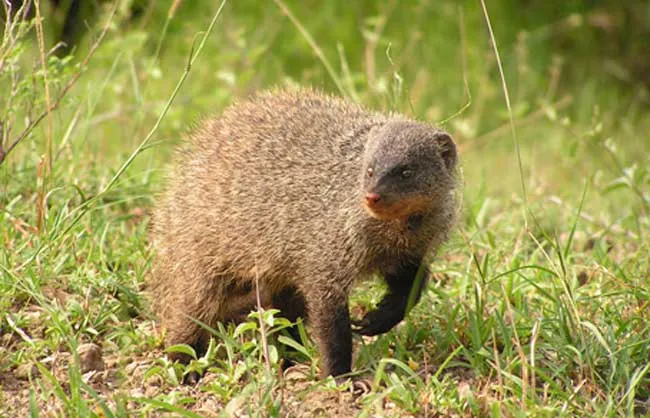
Species: Herpestes auropunctatus
Origin: Central and Southeast Asia
Where: Adriatic Islands and the Pelješac Peninsula in Croatia.
When: 1910
Why: To control a poisonous snake. An expert hunter of birds, small mammals and reptiles, predation by the mongoose threatens at least one vulnerable native species.
Impact: Affects three native species in Europe, including one vulnerable species.
Muskrat

Species: Ondatra zibethica
Origin: North America
Where: Czech Republic
When: Early 1900s
Why: Fur farming — fur coats were all the rage in the 1920s. Though successfully eradicated in the U.K., muskrats are pests in most of Europe. They burrow into riverbanks, causing banks to collapse, and overgraze plants and trees for food and lodges.
Impact: Affects three native species in Europe.
Beluga Whale

Species: Delphinapterus leucas
Origin: Arctic Ocean
Where: Black Sea
When: 1991
Why: A beluga whale kept in captivity in Russia was brought to Crimea, Ukraine, in 1991. The day it arrived, the whale either escaped or was released into the Black Sea. A second beluga released (or escaped) at the same time was also occasionally seen swimming in the Black Sea. Neither has been spotted for years.
