








-
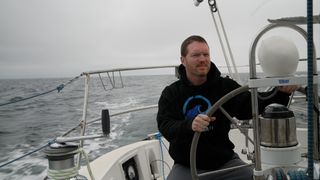 Interview'The Russians were the problem in the end': Sailor Matt Rutherford on being intercepted by the FSB while attempting to circumnavigate the Arctic Ocean solo
Live Science spoke with Matt Rutherford, a sailor and founder of the environmental nonprofit Ocean Research Project, about his attempt to circumnavigate the Arctic Ocean and why he'll have to try again next year.
-
-
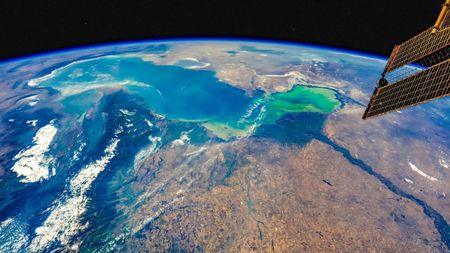 Planet Earth'We used to go to the climate conferences together. We are not anymore': ESA official Simonetta Cheli tells us how the political landscape for Earth observation is changing
Live Science sat down with the European Space Agency's Simonetta Cheli to discuss the importance of Earth observation, how NASA budget cuts have changed the picture, and how the proliferation of private satellites could hinder our ability to view the planet.
-
 Interview'It gives us a glimpse of a different kind of Viking life': Archaeologist Neil Price on the sea-kings, sorcerers and Sámi who lived during the Viking Age
Archaeologist Neil Price delves into the lives and deaths of Viking Age people, including warriors, traders, thralls, sorcerers and children.
-
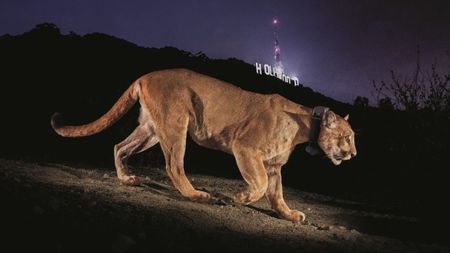 InterviewPhotojournalist Steve Winter on his iconic Hollywood puma image, the illegal tiger trade and having a black panther knock on his door
Live Science spoke with Steve Winter ahead of the release of "Big Cats."
-
 InterviewCould psilocybin treat brain injuries? Neuroscientist explains how psychedelics could fill a gap in head trauma care
Live Science spoke with neuroscientist Argel Aguilar-Valles about recent research exploring psychedelics as a treatment for mild head trauma.
-


-
-
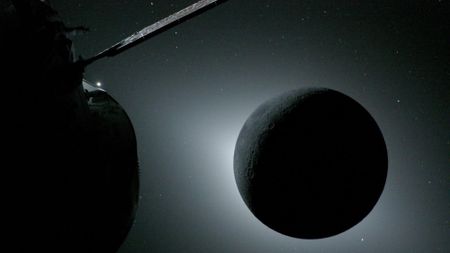 Interview'The moon looked wrong': Artemis II mission controller Chris White tells the story behind NASA's historic photos
Artemis II lead communications officer Chris White describes the tensest and most shocking moments of the historic moon mission, as seen from his desk at mission control in Houston.
-
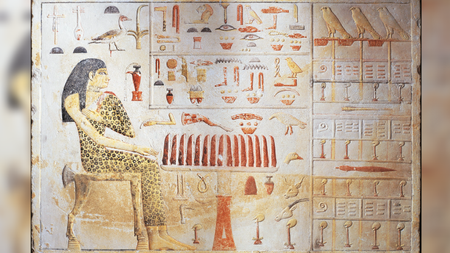 Interview'Some people called it horrifying': 'Dinner with King Tut' author on using Egyptian mummification techniques on a modern-day human body
"A lot of the book was actually me floundering around, failing to complete the projects or figuring out what I was doing wrong," author Sam Kean says about his experimental archaeology adventures.
-
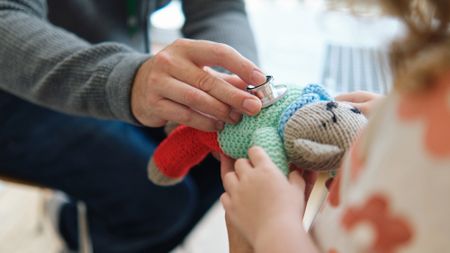 Interview'800 seconds for a sick visit': Some factors driving antibiotic resistance have nothing to do with biology, says medical sociologist Julia Szymczak
Doctors' decisions around antibiotics aren't as logical as you might assume; they can be skewed by emotional and social factors, a medical sociologist explains.
-
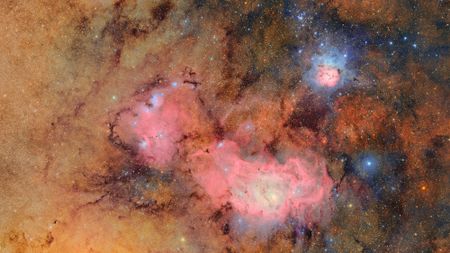 Interview'It's more than a hope, it's a guarantee': The Vera C. Rubin Observatory's 10-year movie of the universe is about to 'blow our minds,' chief scientist says
The Vera C. Rubin Observatory has begun its Legacy Survey of Space and Time, a 10-year mission to map the entire southern sky many times over. Chief Scientist Tony Tyson tells us why the survey could be remembered 100 years from now, if bright corporate satellites don't ruin the view.
-
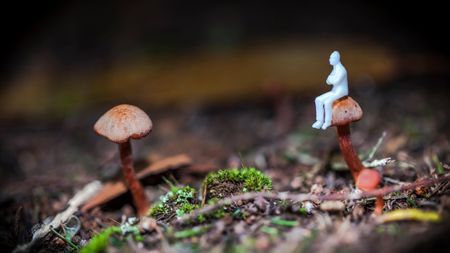 INTERVIEW'It sounds so impossible': Student studying fungus that makes users hallucinate tiny people may be on the verge of a scientific breakthrough
Live Science spoke with Colin Domnauer, a PhD student in ethnobiology whose unraveling of a mushroom mystery could reveal a new hallucinogenic compound.
22 Comments -
 Interview'Is it really necessary to generate another image?': UN scientist explains how everyday people can limit AI's environmental impact
Live Science spoke with Kaveh Madani, the lead investigator of a United Nations report examining AI's environmental footprint, about this technology's staggering energy use and what users can do to limit their impact.
12 Comments -
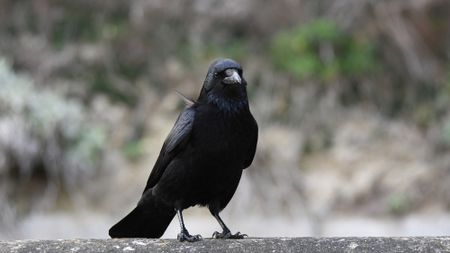 Interview'They reliably chose the statistically more favorable option': A crow researcher explains how these winged geniuses process numbers, and what it could reveal about human math smarts
Live Science spoke with animal researcher Andreas Nieder about how animals process mathematical concepts like statistical reasoning and the idea of zero.
3 Comments -
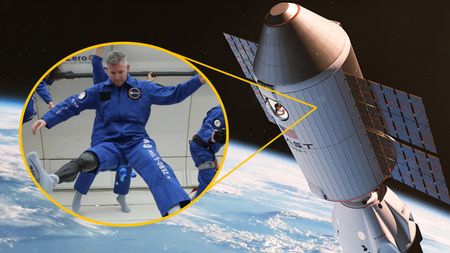 Interview'Is having two legs useful' in space?: Astronaut John McFall explains what life in orbit might be like for the first physically disabled person in space
ESA astronaut John McFall tells Live Science what it would mean to become the first physically disabled person in space — if he travels to the first-ever commercial space station next year — and how life in orbit might affect him differently than everyone else.
-
 INTERVIEW'This might be the point of no return': Experts on the current measles outbreak and where we go from here
Live Science spoke with two authors of a "progress report" detailing America's ongoing measles outbreak.
3 Comments
-


