








-
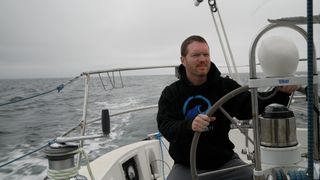 Interview'The Russians were the problem in the end': Sailor Matt Rutherford on being intercepted by the FSB while attempting to circumnavigate the Arctic Ocean solo
Live Science spoke with Matt Rutherford, a sailor and founder of the environmental nonprofit Ocean Research Project, about his attempt to circumnavigate the Arctic Ocean and why he'll have to try again next year.
-
-
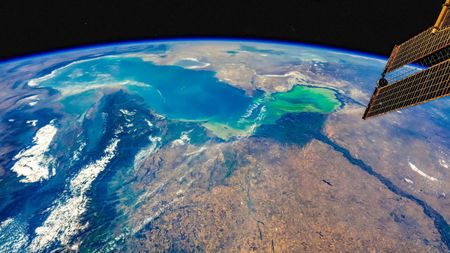 Planet Earth'We used to go to the climate conferences together. We are not anymore': ESA official Simonetta Cheli tells us how the political landscape for Earth observation is changing
Live Science sat down with the European Space Agency's Simonetta Cheli to discuss the importance of Earth observation, how NASA budget cuts have changed the picture, and how the proliferation of private satellites could hinder our ability to view the planet.
-
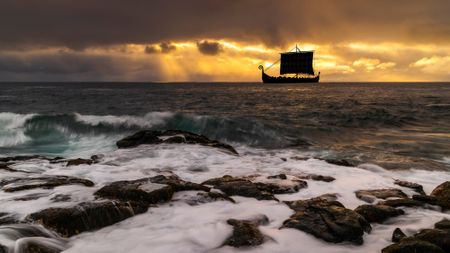 Interview'It gives us a glimpse of a different kind of Viking life': Archaeologist Neil Price on the sea-kings, sorcerers and Sámi who lived during the Viking Age
Archaeologist Neil Price delves into the lives and deaths of Viking Age people, including warriors, traders, thralls, sorcerers and children.
-
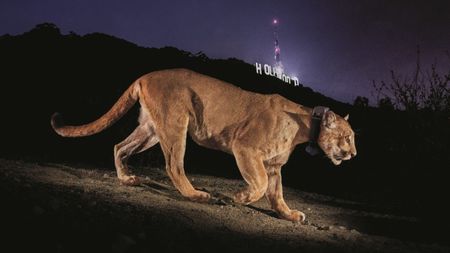 InterviewPhotojournalist Steve Winter on his iconic Hollywood puma image, the illegal tiger trade and having a black panther knock on his door
Live Science spoke with Steve Winter ahead of the release of "Big Cats."
-
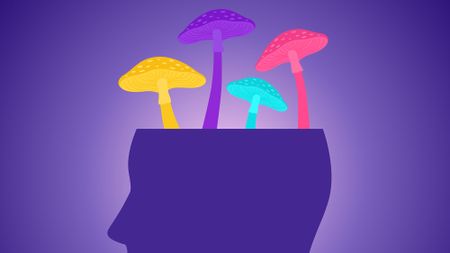 InterviewCould psilocybin treat brain injuries? Neuroscientist explains how psychedelics could fill a gap in head trauma care
Live Science spoke with neuroscientist Argel Aguilar-Valles about recent research exploring psychedelics as a treatment for mild head trauma.
-


-
-
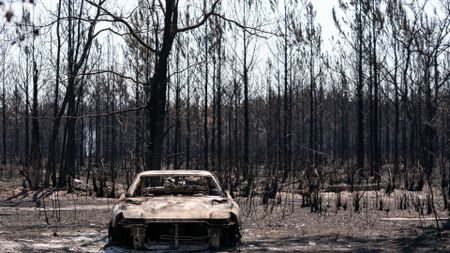 Climate change'The push towards renewables is unstoppable because it's in a country's self-interest': Climate scientist Andy Reisinger on Trump, Iran, and the future of Earth
Once global warming peaks, it could take centuries to cool things back down. But we can bend the curve by cutting fossil fuel emissions now.
-
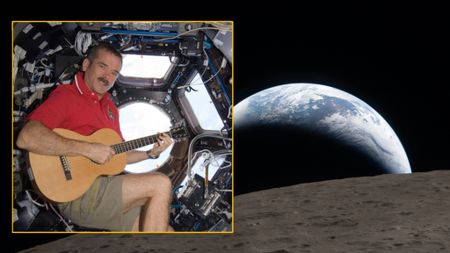 Interview'A measurable, enormous global impact': Astronaut Chris Hadfield on why the true power of Artemis II could take decades to hit
Astronaut Chris Hadfield shares his emotional response to the Artemis II mission, and why it could change the course of people's futures.
-
 Interview'The chances of you living 50 years are very small': Theoretical physicist explains why humanity likely won't survive to see all the forces unified
Live Science spoke with Nobel prize-winning physicist David Gross, who recently received the $3 million Special Breakthrough Prize in Fundamental Physics, about the quest to unite all the forces and why humanity might not live to see a unified theory.
29 Comments -
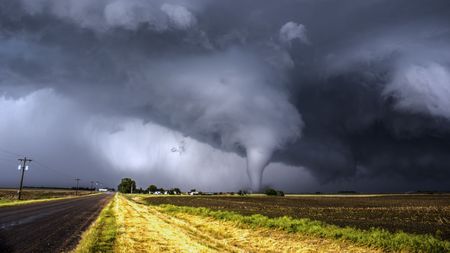 Interview'I've seen the movies. What a horrible way to die': What it's like to be sucked into a tornado and survive
Perry Samson was helping students conduct field experiments on supercell storms in Kansas in 2008 when one suddenly turned into a tornado and dragged him in.
2 Comments -
 Planet Earth'In every continent where humans are present, water bankruptcy is manifesting itself': Exiled Iranian scientist Kaveh Madani on our desperate need to preserve our most precious resource
Live Science spoke with Kaveh Madani, director of the UN University Institute for Water, Environment and Health and recipient of the 2026 Stockholm Water Prize, about "water bankruptcy" and what countries should do to avoid catastrophe.
10 Comments -
 INTERVIEW'They are literally everywhere': The shocking story of how forever chemicals polluted the world
Live Science spoke with Mariah Blake, an investigative journalist and author of the book "They Poisoned The World," about one of the greatest corporate scandals in history.
6 Comments -
 INTERVIEW'This generation's moment': How the Artemis missions will reframe humanity's relationship with the moon
Live Science spoke with Rebecca Boyle, author of "Our Moon" about how the moon has been viewed both culturally and scientifically through history.
-
 INTERVIEW'That's why there's 9 billion of us and not 9 billion of some other primate': Why our ability to adapt is humanity's 'superpower'
Live Science spoke with Herman Pontzer, an evolutionary anthropologist and author of the book "Adaptable," about the science of human diversity.
7 Comments -
 INTERVIEW'It's nature calling to humans, and humans deciding whether or not to reply': Why we need to start paying attention to our mutually beneficial relationships with other species
Live Science spoke with Rob Dunn, an applied ecologist and author of the book "The Call of the Honeyguide," about "mutualism" — how different species team up for their mutual benefit — and how humans can feel more connected to nature.
-


