








-
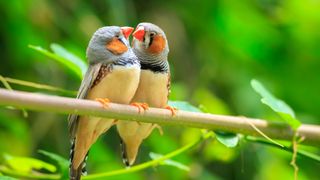 Interview'The first species we might be able to communicate with, interact with vocally, might be a bird': An animal researcher explains how she decoded birdsong
Julie Elie, an ethologist at the University of California, Berkeley, tells Live Science about using AI to decode the vocalizations of zebra finches.
-
-
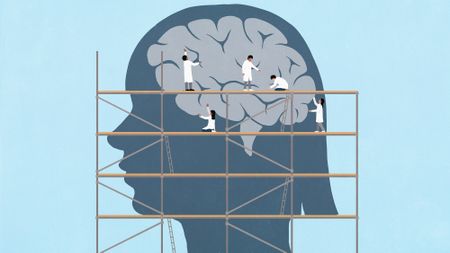 Interview'Now you actually have a blood test': Psychiatry's bible, the DSM, is getting upgraded to include biological markers. A psychiatrist explains what that means for mental health.
Live Science spoke with psychiatrist Anand Kumar about the next edition of the "Diagnostic and Statistical Manual of Mental Disorders," which will include biological factors like genetics in studying and diagnosing psychiatric conditions.
-
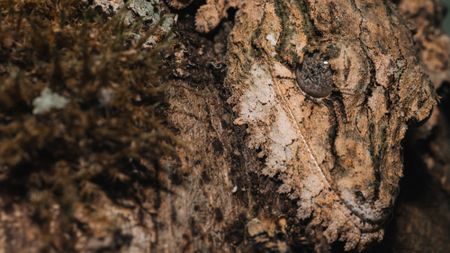 Interview'You start painting pictures of squirrels twirling their mustaches': A biologist on whether animals can lie
Writer Olivia Maule spoke with biologist James O'Hanlon about his book "Liars, Cheats and Copycats."
-
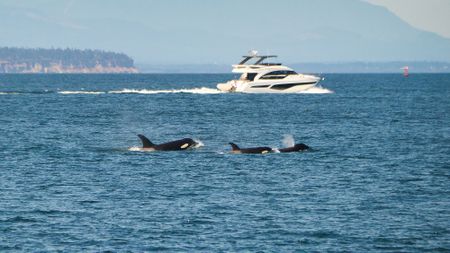 InterviewA psychologist explains his theory for why orcas are attacking boats
Live Science spoke with comparative psychologist Christian Frings to discuss a new theory for why orcas are attacking yachts.
-
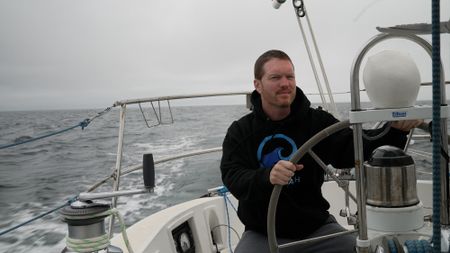 Interview'The Russians were the problem in the end': Sailor Matt Rutherford on being intercepted by the FSB while attempting to circumnavigate the Arctic Ocean solo
Live Science spoke with Matt Rutherford, a sailor and founder of the environmental nonprofit Ocean Research Project, about his attempt to circumnavigate the Arctic Ocean and why he'll have to try again next year.
-


-
-
 WeatherWhy scientists are blown away by 'Twister' and 'Twisters'
Weather experts talk about why the film "Twister" is often such a favorite among tornado researchers and what they think of its new stand-alone sequel, "Twisters"
-
 HIVHIV prevention drug found 100% effective in clinical trial
The drug, lenacapavir, provided better protection than other preventive medications.
-
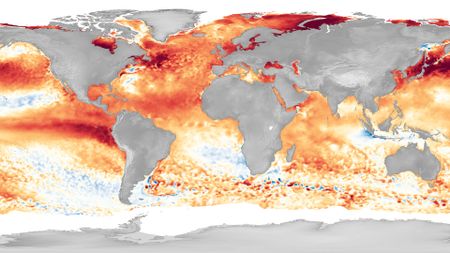 WeatherA strong El Niño is coming this winter. What does that mean?
Thanks to El Niño, meteorologists are predict a snowy winter in the Rockies, storms and wet weather in the South and drier conditions in the Northwest and Uppder Midwest.
-
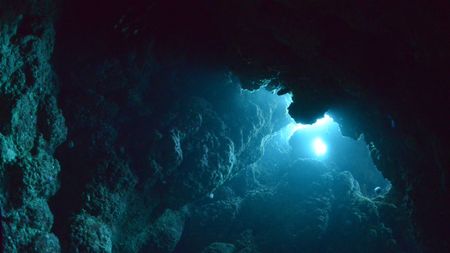 Interview'We know far more about the deep ocean than the moon or Mars,' says explorer Jon Copley
The deep sea, which encompasses waters deeper than 660 feet (200 meters), is home to alien-like creatures, but we know far more about these inky depths than people think, ocean explorer Jon Copley tells Live Science.
-
 InterviewEcologist Tim Blackburn: 'Moths pollinate a wider range of species than bees'
With colors ranging from candy pinks to golds and sometimes possessing wingspans as big as a bird's, moths are a fascinating group. Ecologist Tim Blackburn tells Live Science about the incredible, hidden world of moths.
-


