








-
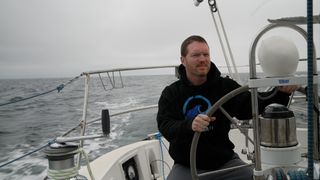 Interview'The Russians were the problem in the end': Sailor Matt Rutherford on being intercepted by the FSB while attempting to circumnavigate the Arctic Ocean solo
Live Science spoke with Matt Rutherford, a sailor and founder of the environmental nonprofit Ocean Research Project, about his attempt to circumnavigate the Arctic Ocean and why he'll have to try again next year.
-
-
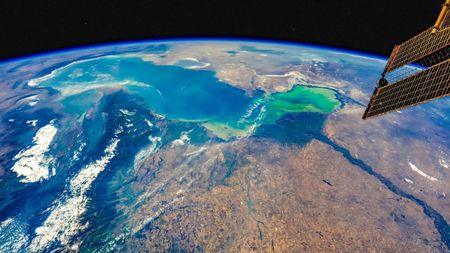 Planet Earth'We used to go to the climate conferences together. We are not anymore': ESA official Simonetta Cheli tells us how the political landscape for Earth observation is changing
Live Science sat down with the European Space Agency's Simonetta Cheli to discuss the importance of Earth observation, how NASA budget cuts have changed the picture, and how the proliferation of private satellites could hinder our ability to view the planet.
-
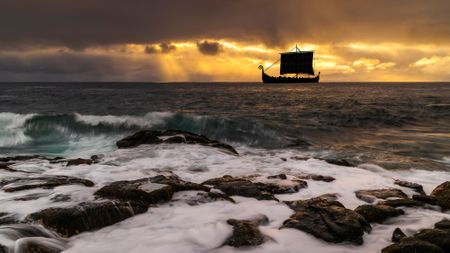 Interview'It gives us a glimpse of a different kind of Viking life': Archaeologist Neil Price on the sea-kings, sorcerers and Sámi who lived during the Viking Age
Archaeologist Neil Price delves into the lives and deaths of Viking Age people, including warriors, traders, thralls, sorcerers and children.
-
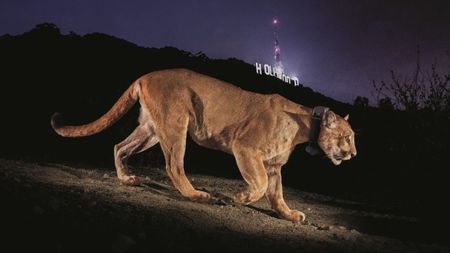 InterviewPhotojournalist Steve Winter on his iconic Hollywood puma image, the illegal tiger trade and having a black panther knock on his door
Live Science spoke with Steve Winter ahead of the release of "Big Cats."
-
 InterviewCould psilocybin treat brain injuries? Neuroscientist explains how psychedelics could fill a gap in head trauma care
Live Science spoke with neuroscientist Argel Aguilar-Valles about recent research exploring psychedelics as a treatment for mild head trauma.
-


-
-
 Interview'There's a sense that these algorithms are objective and they get to know you': How social media warps our understanding of healthcare
Editor Hannah Osborne spoke with investigative journalist Dr. Deborah Cohen about her new book, "Bad Influence: How the Internet Hijacked Our Health."
-
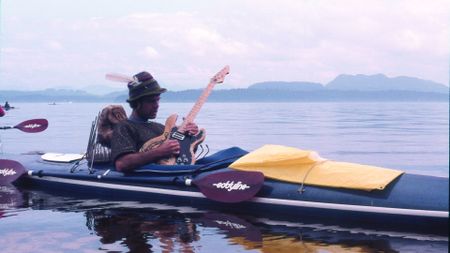 Interview'They would come in with a chord change': Composer Jim Nollman has collaborated with turkeys, kangaroo rats and whales. Now he's dropping 'Orcas' Greatest Hits.'
Staff writer Sascha Pare spoke with musical composer and sound artist Jim Nollman about his new album, "Orcas' Greatest Hits," created with killer-whale bandmates.
-
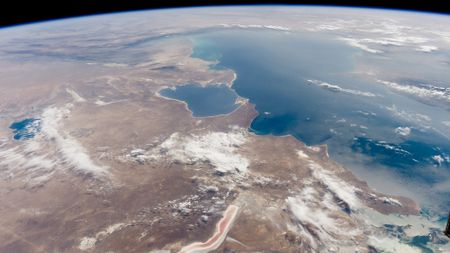 Interview'It would be a disaster': Ammunition for war is putting the Caspian Sea on the brink of collapse
Live Science spoke with professor of civil and environmental engineering Amir AghaKouchak about the reasons behind the Caspian Sea's stark decline over the past three decades.
-
 InterviewSuper El Niño may push an already stressed climate ecosystem across a critical threshold, climate change researcher says
Live Science spoke with climate change researcher Jong-Seong Kug about how a super El Niño could cause lasting damage to our world.
2 Comments -
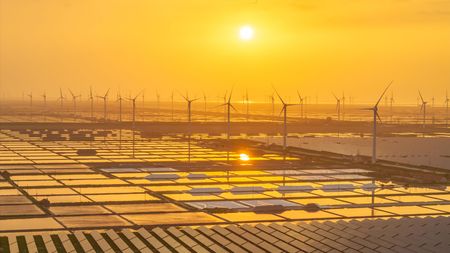 Interview'There are challenges, but renewables are just growing so fast, and it is growing so fast because it is so cheap.'
Author and journalist Fred Pearce tells Live Science editor Hannah Osborne about his book "Despite it All" — looking at the changes that have taken place over the last 40 years that provide some hope that we can solve the climate crisis.
4 Comments -
 Interview'This problem of gun violence in America is not unsolvable'
Health editor Nicoletta Lanese spoke with trauma surgeon Dr. Selwyn Rogers Jr. about his new book, "Healing the Gun Violence Epidemic."
-
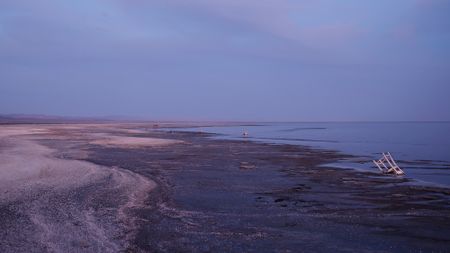 InterviewOnce a 'miracle in the desert,' California's Salton Sea now spreads toxic dust on vulnerable communities
Medical anthropologist Ann Cheney speaks to Live Science writer Sascha Pare about the heavy toll toxic dust from California's largest inland lake takes on marginalized communities.
-
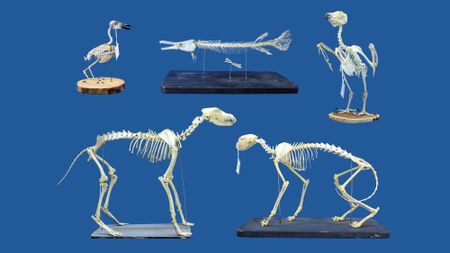 Interview'We were genuinely surprised': 'Superworms' can clean extremely delicate skeletons lickety-split, and that's a game changer for museums
Biologists Niloofar Alaei Kakhki and Morteza Monfared tell Live Science how beetle larvae could be repurposed from pet food to a cleaner for museums and laboratories.
-
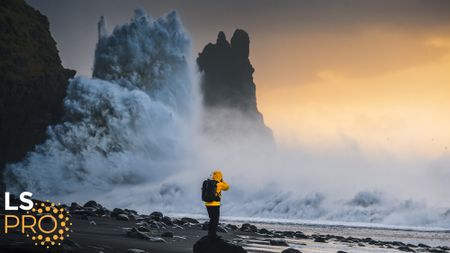 Interview'It affects your daily life suddenly': Sea level researcher explains why once-in-a-century floods could become the new normal
Live Science spoke with sea level expert Sönke Dangendorf about how human-caused sea-level rise is increasing extreme water levels, as once-in-a-century flooding events become decadal.
-


