








-
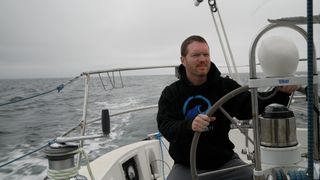 Interview'The Russians were the problem in the end': Sailor Matt Rutherford on being intercepted by the FSB while attempting to circumnavigate the Arctic Ocean solo
Live Science spoke with Matt Rutherford, a sailor and founder of the environmental nonprofit Ocean Research Project, about his attempt to circumnavigate the Arctic Ocean and why he'll have to try again next year.
-
-
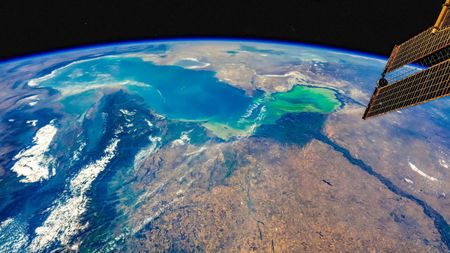 Planet Earth'We used to go to the climate conferences together. We are not anymore': ESA official Simonetta Cheli tells us how the political landscape for Earth observation is changing
Live Science sat down with the European Space Agency's Simonetta Cheli to discuss the importance of Earth observation, how NASA budget cuts have changed the picture, and how the proliferation of private satellites could hinder our ability to view the planet.
-
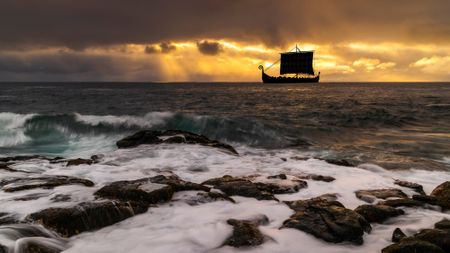 Interview'It gives us a glimpse of a different kind of Viking life': Archaeologist Neil Price on the sea-kings, sorcerers and Sámi who lived during the Viking Age
Archaeologist Neil Price delves into the lives and deaths of Viking Age people, including warriors, traders, thralls, sorcerers and children.
-
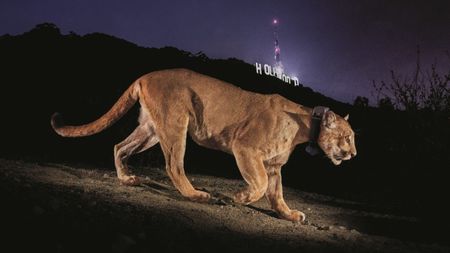 InterviewPhotojournalist Steve Winter on his iconic Hollywood puma image, the illegal tiger trade and having a black panther knock on his door
Live Science spoke with Steve Winter ahead of the release of "Big Cats."
-
 InterviewCould psilocybin treat brain injuries? Neuroscientist explains how psychedelics could fill a gap in head trauma care
Live Science spoke with neuroscientist Argel Aguilar-Valles about recent research exploring psychedelics as a treatment for mild head trauma.
-


-
-
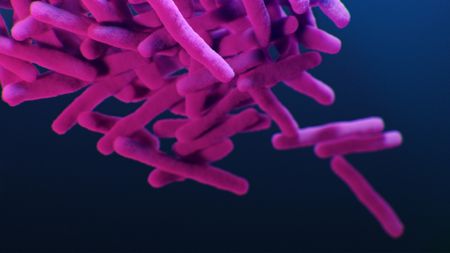 Bacterial & Fungal Infections'We have to fight for a better end': Author John Green on how threats to USAID derail the worldwide effort to end tuberculosis
Live Science spoke with author John Green about his latest book, which explores both the history and current realities of tuberculosis.
-
 INTERVIEW'We don't have a climate crisis — we are the crisis': Environmentalist Paul Hawken on why honoring life is the best thing we can do against climate change
Environmentalist and author Paul Hawken speaks to Live Science about the worldview that has led to the mindless exploitation of the planet — and how we can shift perspectives for a better future.
11 Comments -
 InterviewWhen will MDMA be approved for therapy? Major trial issues may stand in the way, psychiatrist Dr. Albino Oliveira-Maia says.
When will MDMA be approved for therapy? Major trial issues may stand in the way, psychiatrist Dr. Albino Oliveira-Maia says
-
 Interview'A direct relationship between your sense of sight and recovery rate': Biologist Kathy Willis on why looking at nature can speed up healing
Biologist Kathy Willis spoke to Live Science about how touching wood makes us calmer, why looking at a picture of a savanna is calming and how walking through a forest changes our gut microbes.
-
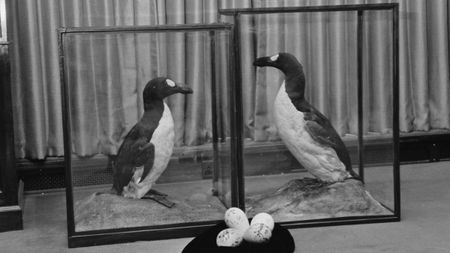 Extinct species'It was clearly a human assault on the species': The fate of the great auk
Two preserved great auk specimens displayed at a museum in 1971. The last pair of great auks were killed in 1844.
-
 WeatherWhy scientists are blown away by 'Twister' and 'Twisters'
Weather experts talk about why the film "Twister" is often such a favorite among tornado researchers and what they think of its new stand-alone sequel, "Twisters"
-
 HIVHIV prevention drug found 100% effective in clinical trial
The drug, lenacapavir, provided better protection than other preventive medications.
-
 WeatherA strong El Niño is coming this winter. What does that mean?
Thanks to El Niño, meteorologists are predict a snowy winter in the Rockies, storms and wet weather in the South and drier conditions in the Northwest and Uppder Midwest.
-
 Interview'We know far more about the deep ocean than the moon or Mars,' says explorer Jon Copley
The deep sea, which encompasses waters deeper than 660 feet (200 meters), is home to alien-like creatures, but we know far more about these inky depths than people think, ocean explorer Jon Copley tells Live Science.
-


