Science news this week: PCOS has a new name, Neanderthals were the world's oldest dentists, and the first nuclear bomb explosion spawned an 'alien' crystal
May 16, 2026: Our weekly roundup of the latest science in the news, as well as a few fascinating articles to keep you entertained over the weekend.
The name change — the culmination of a 14-year process that took input from over 14,000 patients and health professionals — was made to better reflect the nature of the disease from one that implied (incorrectly) that people with the disease have a higher number of pathological noncancerous ovarian cysts than those without the condition. Instead, those with PMOS have a large number of "arrested follicles," or ovarian eggs that have failed to fully mature.
The name change isn't just a question of semantics; it could have a positive impact on the diagnosis and treatment of the disease, as well as help to identify related conditions in patients.
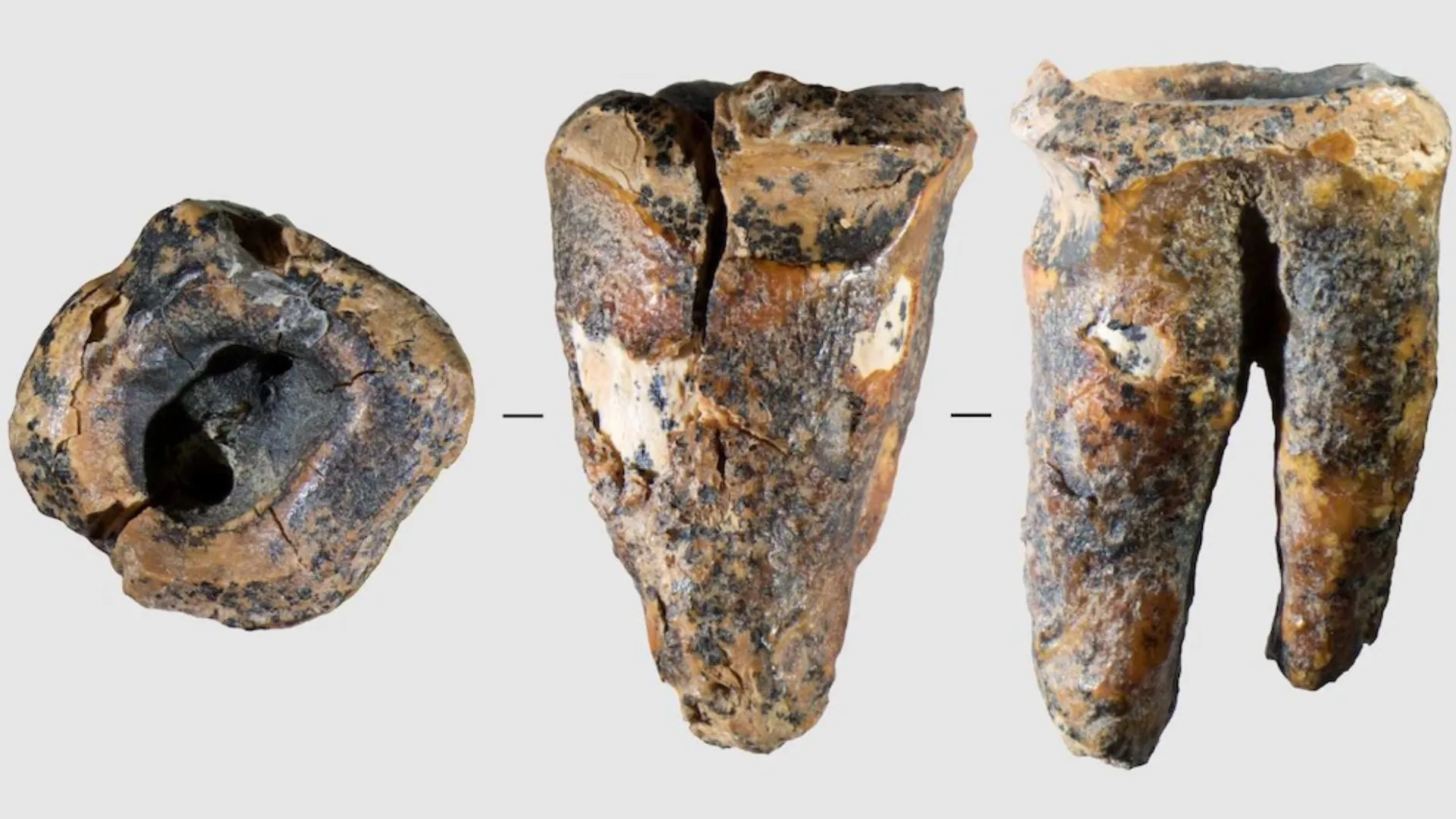
Neanderthals may have been the world's oldest dentists, according to a new study of a 60,000-year-old Neanderthal lower molar with a deep hole in its surface bored out by a small stone drill.
The procedure shows that our closest human relatives had the smarts to recognize that a painful tooth cavity could be treated and that they had the precise motor skills to successfully drill out the rotten enamel. The evidence is also 45,000 years older than the first recorded instance of Homo sapiens performing intentional dentistry.
Discover more archaeology news
Sign up for the Live Science daily newsletter now
Get the world’s most fascinating discoveries delivered straight to your inbox.
Plants infecting humans is a trope of science fiction, but can it actually happen in real life? Live Science investigated and found a rather disturbing answer.
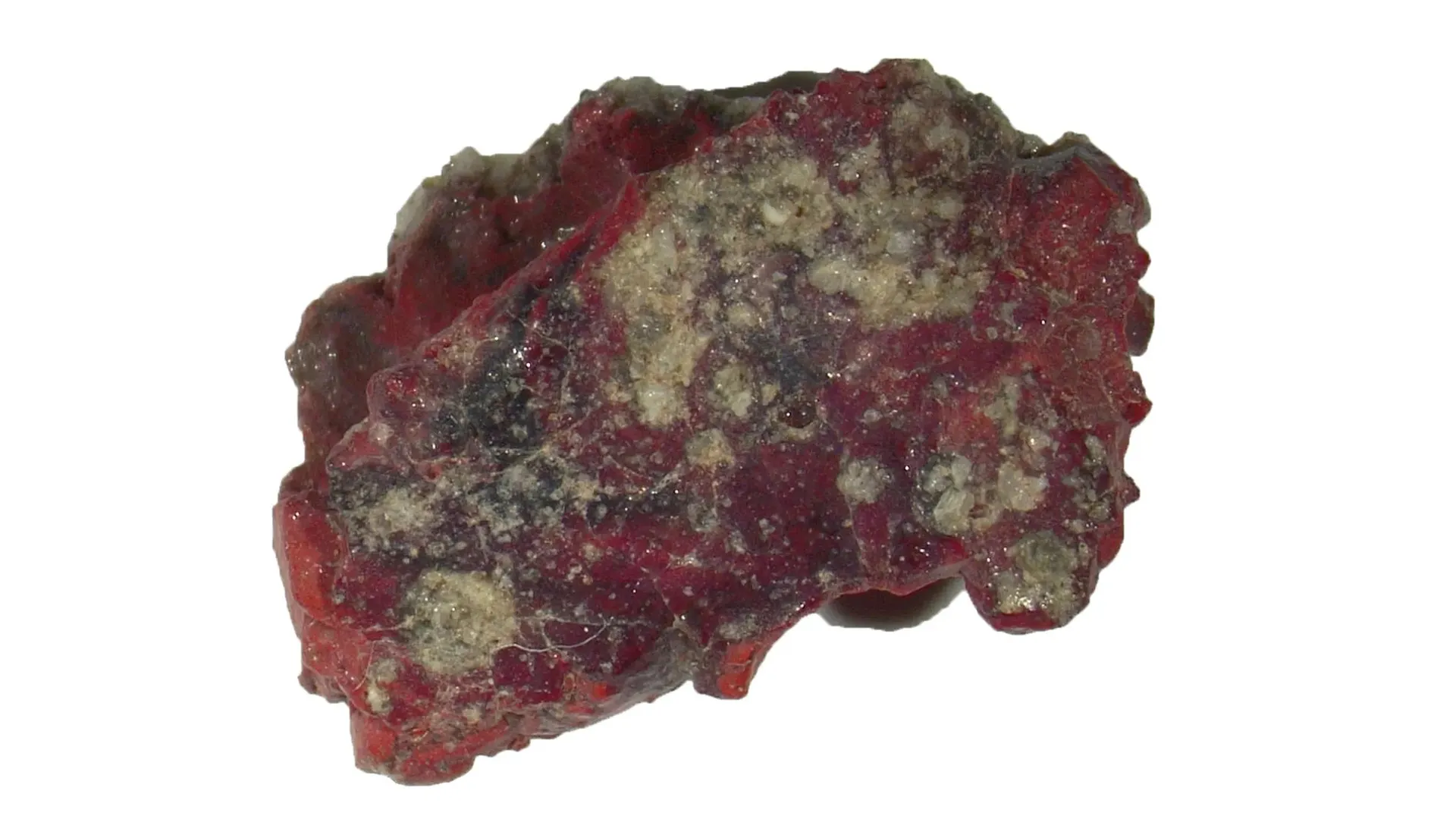
The world's first nuclear bomb test reduced the surrounding desert sand to pale-green-and-red glass. Now, more than 80 years later, an analysis of the red parts of this substance — dubbed "trinitite," after the Trinity test site — has revealed that it contains crystals found nowhere else on Earth.
Red trinitite is composed of a unique clathrate, a type of crystalline structure in which one element (in this case, silicon) encloses others (copper and calcium). The discovery marks the first time clathrate crystals have been found as a byproduct of a nuclear blast and will help expand scientists' understanding of how matter organizes itself under extreme conditions.
If you're looking for things to keep you busy over the weekend, here are some of the best interviews, opinions, news analyses and quizzes published this week.
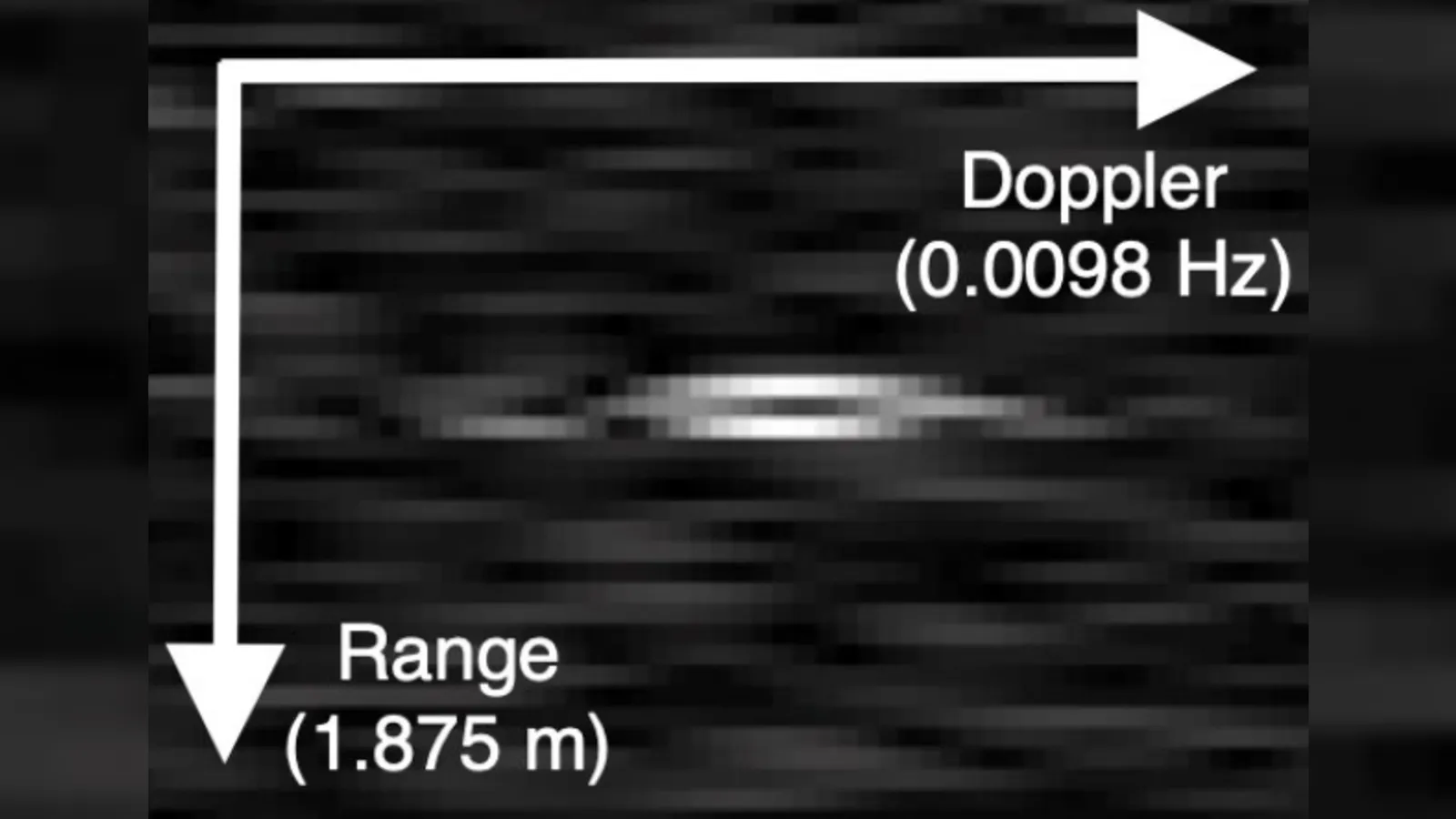
It may not look like much, but crammed into the handful of pixels in this image are four human beings circling the moon more than 200,000 miles (320,000 kilometers) away.
The blurry image is of the Artemis II astronauts as they swung around the moon inside their Orion capsule. Captured by a radio telescope here on Earth, it's a compelling candidate for the longest-distance image of humans ever taken.
Ben Turner is a U.K. based writer and editor at Live Science. He covers physics and astronomy, tech and climate change. He graduated from University College London with a degree in particle physics before training as a journalist. When he's not writing, Ben enjoys reading literature, playing the guitar and embarrassing himself with chess.
You must confirm your public display name before commenting
Please logout and then login again, you will then be prompted to enter your display name.