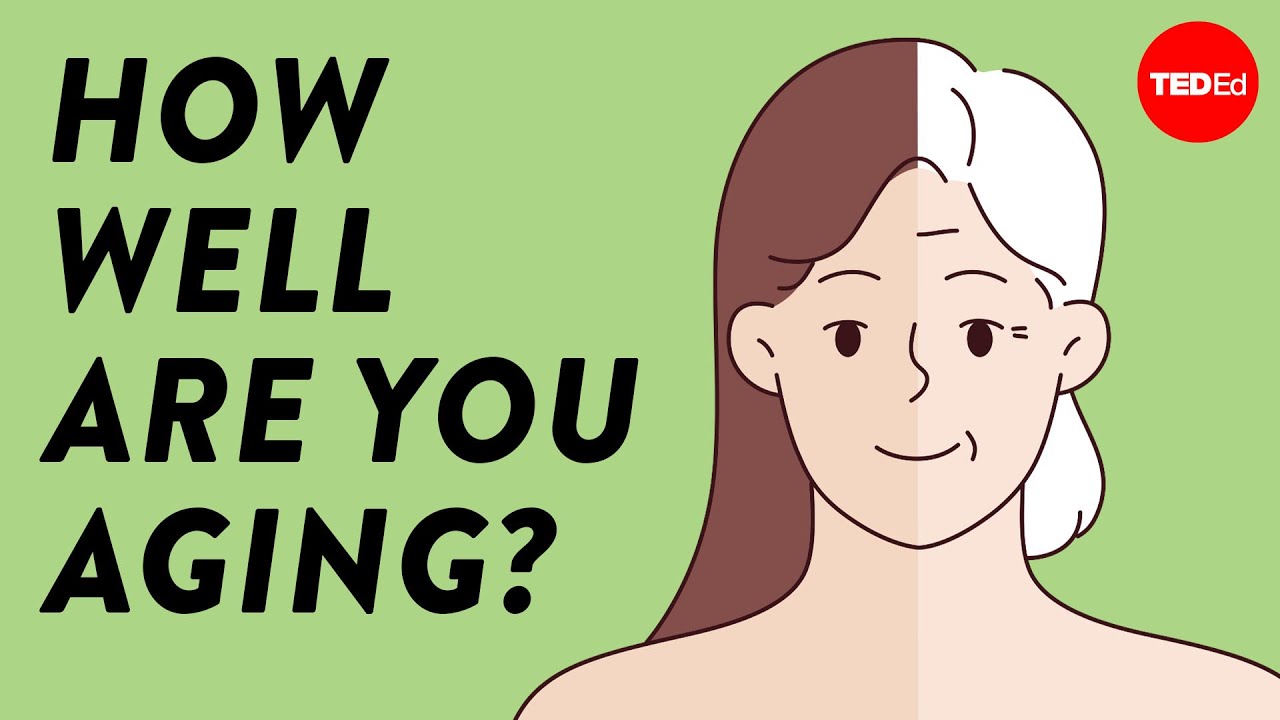
People have long given up on the search for the Fountain of Youth, a mythical spring that could reverse aging. But for some scientists, the hunt has not ended — it's just moved to a different place. These modern-day Ponce de Leóns are investigating whether gut microbes hold the secret to aging well.
The gut microbiome refers to the vast collection of microscopic organisms — bacteria, fungi and viruses — that largely inhabit the colon. These microbes aid in digestion and produce molecules that affect your physiologyand psychology. The composition of the microbiome is influenced by a combination of factors, including genetics, diet, the environment, medications and age.
People are most familiar with outward signs of aging, such as wrinkles and graying hair, but there are also microscopic changes taking place deep inside. The gut microbes of older people tend to be less diverse, with more bacteria that promote inflammation and other hallmarks of aging. Changes to the microbiome across age are so consistent that algorithms can reliably predict a person's age based on their microbiome composition.
To confirm that the microbes of youth influence aging, scientists use a technique called fecal microbiota transplantation. This procedure involves obliterating a person's current gut microbiome and replacing it with microbes harvested from a donor's feces. Transplanting microbiota from a young mouse into an elderly mouse reverses age-associated inflammation in the gut, brain and eyes. Conversely, transplanting microbiota from an old mouse into a young one accelerates these aging parameters. Other studies suggest that microbiota from young mice alter metabolism in ways that reduce inflammation that accelerates aging.
The evidence that aging is linked with the microbiome is compelling. However, fecal transplantation is not without risk and is approved only as a last resort to treat severe C. difficile infections. These shortcomings have prompted researchers to search for safer and more refined ways to cultivate an age-friendly microbiome.
Sign up for the Live Science daily newsletter now
Get the world’s most fascinating discoveries delivered straight to your inbox.
Diet and exercise may slow aging
Proper diet and exercise have long been tied to better aging and longevity. One way these lifestyle habits may be beneficial is through their influence on gut microbes.
What people eat — or fail to eat — has a demonstrable effect on their gut microbiomes. The standard American diet, enriched with ultraprocessed foods that are high in sugar, fat and salt and low in nutrients and fiber, depletes microbiomediversity within days. Moving from a non-Western country to the U.S. is also associated with loss of gut microbiome diversity, partly due to dietary changes.
Fiber functions as a prebiotic, a nondigestible food component that nourishes the microbiome. Gut bacteria process fiber into compounds such as short-chain fatty acids that promote better aging by improving metabolic, brain and immune function while reducing chronic inflammation. Good sources of prebiotics include most fruits and vegetables, whole grains, legumes, nuts and seeds.
Improving our diets as we age can help our microbiome.
(Image credit: Westend61 via Getty Images)
Certain foods, such as yogurt and kefir, or dietary supplements contain probiotics — living microbes that may benefit the gut microbiome. Research on probiotic foods and supplements is mixed, complicated by the variation in bacterial species and dosage in these products. The health benefits that different types of probiotics may confer is still under study.
Making healthy lifestyle changes is a noninvasive way to cultivate a youthful microbiome that may slow aging. Scientists are also exploring treatments to tailor the gut microbiome for better health outcomes.
Professor of Microbiology and Immunology, Indiana University
Bill Sullivan is a professor at Indiana University School of Medicine and the author of Pleased to Meet Me: Genes, Germs, and the Curious Forces That Make Us Who We Are. A Ph.D.-trained molecular biologist and award-winning science communicator, he studies infectious disease and writes for outlets including National Geographic, WIRED, and Scientific American. Sullivan also serves as an editor at PLOS SciComm and on the editorial board of ASBMB Today.
You must confirm your public display name before commenting
Please logout and then login again, you will then be prompted to enter your display name.