It's quick and easy to access Live Science Plus, simply enter your email below. We'll send you a confirmation and sign you up for our daily newsletter, keeping you up to date with the latest science news.
Get the world’s most fascinating discoveries delivered straight to your inbox.
You are now subscribed
Your newsletter sign-up was successful
Want to add more newsletters?
Join the club
Get full access to premium articles, exclusive features and a growing list of member rewards.
An account already exists for this email address, please log in.
Undeciphered script from Easter Island may predate European colonization
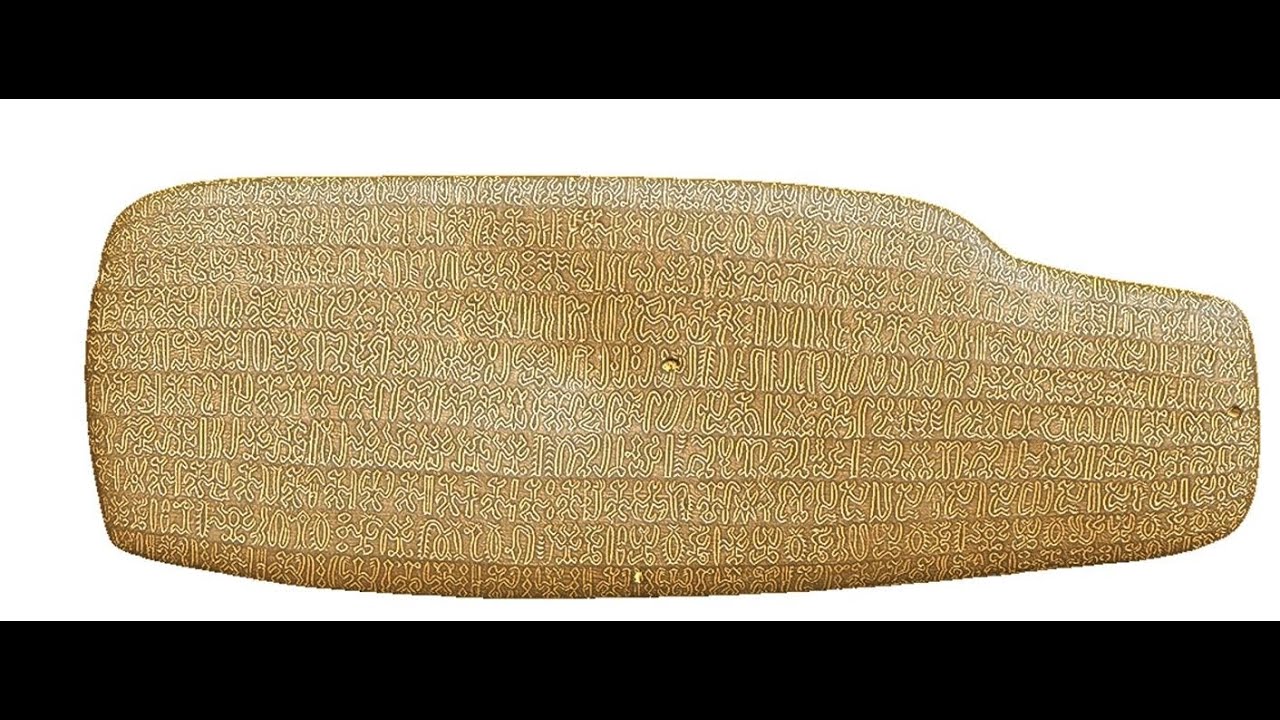
A wooden tablet inscribed with the undeciphered rongorongo script from Rapa Nui (also known as Easter Island) dates to the 15th century, long before Europeans arrived. This early date suggests that the Rapa Nui people invented their own script without European influence.
Radiocarbon dating shows the wood from one of the rongorongo tablets preserved in Rome came from a tree felled in the late 15th or early 16th century — centuries before Europeans arrived on Rapa Nui.
A tablet of wood inscribed with the undeciphered "rongorongo" script from the Eastern Pacific island Rapa Nui, also called Easter Island, predates the arrival of Europeans there, strengthening the likelihood that the script is one of the few independently invented writing systems.
The wood from one of four rongorongo tablets preserved in a collection in Rome dates to between 1493 and 1509 — more than 200 years before the first recorded arrival of Europeans on the island in the 1720s, according to new research published Feb. 2 in the journal Scientific Reports.
Silvia Ferrara, the study's lead author and a philologist (someone who studies languages) at the University of Bologna in Italy, told Live Science that the results support the idea that rongorongo was an original invention by the Rapa Nui islanders rather than being influenced by the writing they'd seen used by Europeans.
The intricate rongorongo glyphs look completely unlike any European letters, lending further support to the idea that the language was developed independently. "Historically speaking, if you borrow a writing system, then you keep it as close to the original as possible," she said.
The four rongorongo tablets in Rome were collected on Rapa Nui in the 19th century by Roman Catholic missionaries. Only two others had been radiocarbon dated before the latest study.
(Image credit: INSCRIBE and RESOLUTION ERC Teams)
Rapa Nui, which sits nearly 2,400 miles (3,800 kilometers) off the coast of Chile, was settled by humans between 1150 and 1280. Although Europeans arrived in the 18th century, they didn't notice the local glyph-based script until 1864, which now exists on only 27 wooden objects, none of which are still on the island. Catholic missionaries took four of these tablets in 1869 and sent them to the bishop of Tahiti, who later sent them to Europe.
Ferrara and her colleagues conducted radiocarbon dating on tiny samples of the four rongorongo tablets held by a congregation of Catholic nuns based in Rome. The radiocarbon dates suggested that three of the tablets were made from trees felled in the 18th or 19th centuries, but the radiocarbon date of a fourth indicated it came from a tree felled in the 15th century, Ferrara said. That predates the arrival of Europeans on Rapa Nui and suggests that the rongorongo script was in use before then, she said.
Sign up for the Live Science daily newsletter now
Get the world’s most fascinating discoveries delivered straight to your inbox.
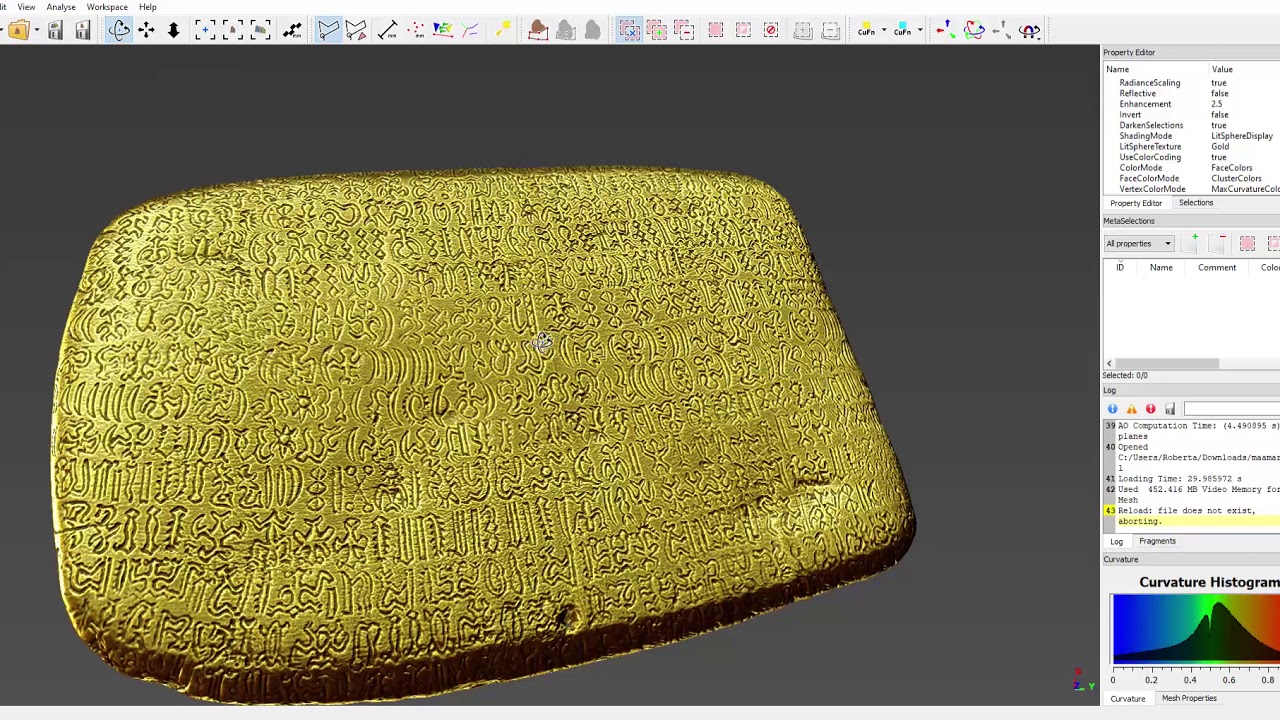
Just 27 tablets inscribed with the intricate but undeciphered rongorongo script are known to have survived, comprising roughly 15,000 characters and more than 400 different glyphs.
(Image credit: INSCRIBE and RESOLUTION ERC Teams)
But it's possible that the glyphs were engraved on "old wood" from a tree felled long before the rongorongo was inscribed on it, she added.
In this case, however, the inscription was probably made about the time the wood was obtained, because the alternative explanation — that the wood had been stored for more than 200 years before it was used — seems unlikely, she said.
The new analysis also suggested the wood from the oldest tablet came from a tree species not native to Rapa Nui, and the researchers think it was probably a piece of driftwood.
Ferrara said more than 400 different rongorongo glyphs have been recognized among the roughly 15,000 surviving characters, and none correspond to any other known system of writing.
Rafal Wieczorek, a chemist at the University of Warsaw who was not involved in the latest study but has investigated otherrongorongotablets, said that while the new research isn't conclusive, it is a strong indication that the script was an independent invention — perhaps one of only a handful of times when a writing system had been invented from scratch, without knowledge of other writing systems.
"This is a great development," he told Live Science, because only two rongorongo tablets had been radiocarbon-dated before, and the latest study established a time span that could be investigated further.
"I actually believe that rongorongo is one of the very few independent inventions of writing in human history, like the writing of the Sumerians, the Egyptians and the Chinese," he said. "But belief is a different thing than hard data … so ideally, we would like to test all the tablets."
Tom Metcalfe is a freelance journalist and regular Live Science contributor who is based in London in the United Kingdom. Tom writes mainly about science, space, archaeology, the Earth and the oceans. He has also written for the BBC, NBC News, National Geographic, Scientific American, Air & Space, and many others.

 Live Science Plus