


-
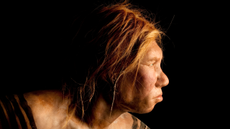 Research group claims preeclampsia doomed the Neanderthals, but experts say it's just a 'thought experiment'
Preeclampsia, a complication of pregnancy that involves high blood pressure, could have led to a decline in Neanderthals' fertility, a new study suggests.
6 Commentsneanderthals -
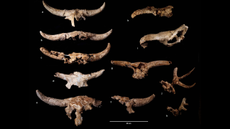 More than 43,000 years ago, Neanderthals spent centuries collecting animal skulls in a cave; but archaeologists aren't sure why
Neanderthals repeatedly returned to the cave to store horned animal skulls, revealing this cultural tradition was transmitted over time.
19 Commentsneanderthals -
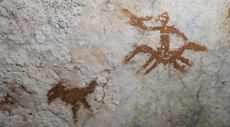 World's oldest known rock art predates modern humans' entrance into Europe — and it was found in an Indonesian cave
The hand stencil is more than 1,000 years older than the previous earliest evidence of rock art.
9 Commentsneanderthals -
 'More Neanderthal than human': How DNA from our long-lost ancestors affects our health today
Neanderthals and humans mated millennia ago, and their legacy lives on in us today. Here's how.
12 Commentsneanderthals -
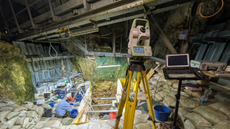 'Biological time capsules': How DNA from cave dirt is revealing clues about early humans and Neanderthals
Opinion DNA from soil could soon reveal who lived in ice age caves, research shows.
Opinion -
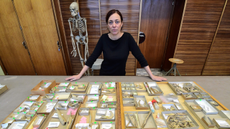 Neanderthals cannibalized 'outsider' women and children 45,000 years ago at cave in Belgium
Fragmented Neanderthal bones discovered in a cave in Belgium show that one group cannibalized the women and children of another group.
17 Commentsneanderthals -
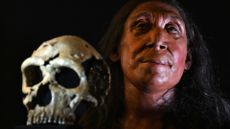 Did Neanderthals have religious beliefs?
Whether Neanderthals had religious beliefs is a subject of ongoing debate.
2 Commentsneanderthals -
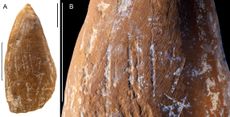 Crimean Stone Age 'crayons' were used by Neanderthals for symbolic drawings, study claims
Scientists have discovered Stone Age "crayons" in Crimea, hinting that Neanderthals may have used them for symbolic drawings or markings. But not everyone agrees.
neanderthals -
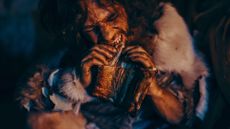 Did Neanderthals eat anything other than meat?
Neanderthals were meat eaters, but new analyses show that their diets included other morsels.
3 Commentsneanderthals


