


-
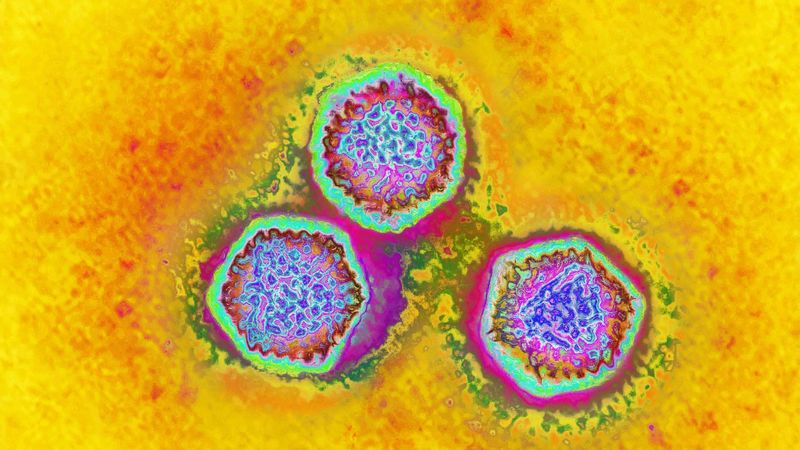 50,000-year-old Neanderthal bones harbor oldest-known human viruses
A new analysis of two skeletons suggests that three modern human viruses infected Neanderthals around 50,000 years ago.
neanderthals -
 10 unexpected ways Neanderthal DNA affects our health
Around 2% of the genomes of modern Eurasians contains Neanderthal DNA. Here's how it affects our health.
neanderthals -
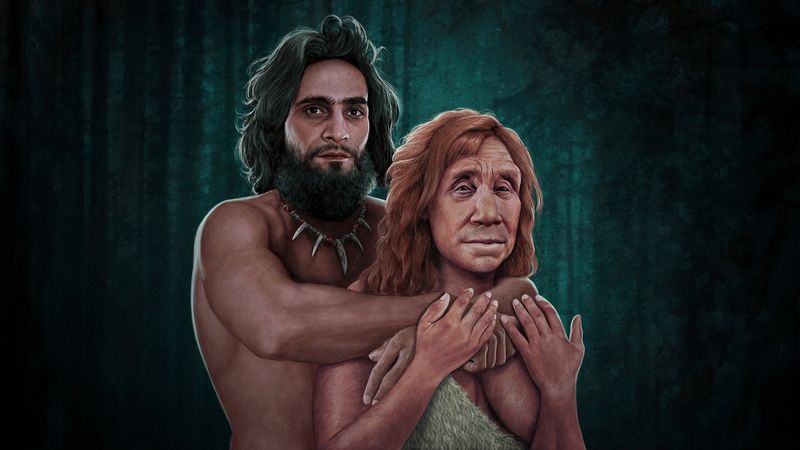 'More Neanderthal than human': How your health may depend on DNA from our long-lost ancestors
Feature Neanderthals and humans mated millennia ago, and their legacy lives on in us today. Here's how.
Feature -
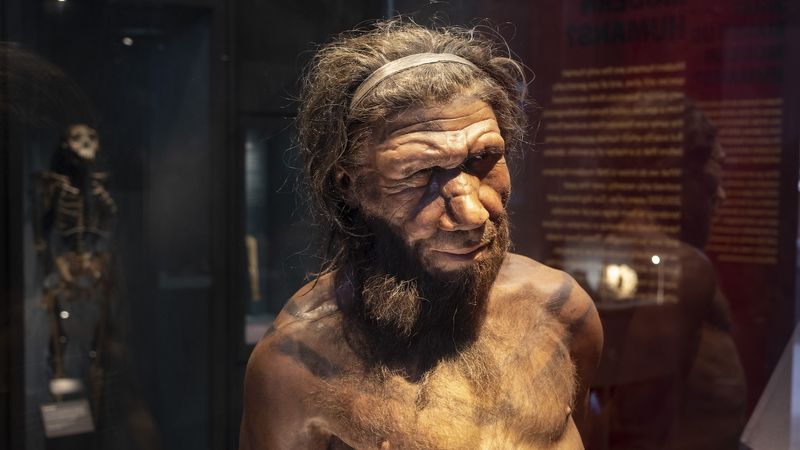 The mystery of the disappearing Neanderthal Y chromosome
Non-Africans carry around 2% Neanderthal DNA in their genomes — yet there's one chromosome where DNA from our ancient cousins is nowhere to be found.
neanderthals -
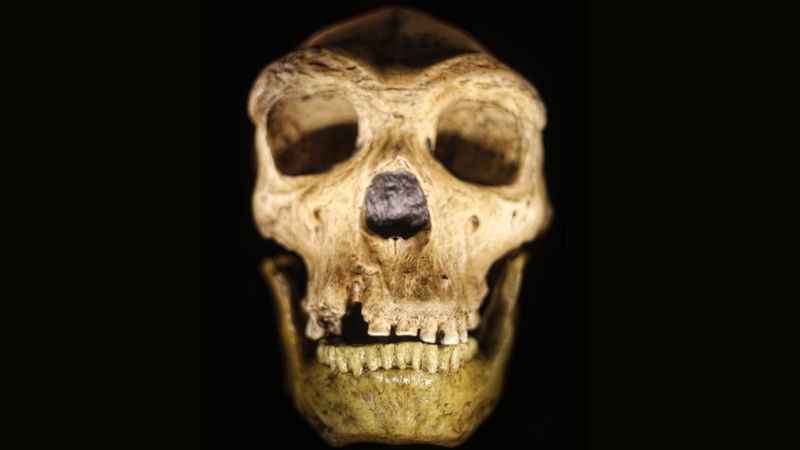 Could Neanderthals talk?
While still the topic of ongoing debate, some scientists think Neanderthals could talk and may have had language.
neanderthals -
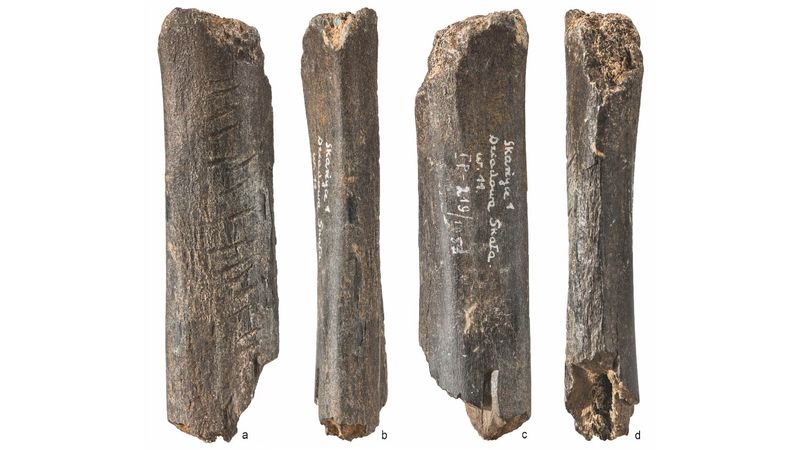 130,000-year-old Neanderthal-carved bear bone is symbolic art, study argues
The carved bear bone is one of the earliest human-made artifacts with "symbolic culture" unearthed in Europe.
neanderthals -
 Modern Japanese people arose from 3 ancestral groups, 1 of them unknown, DNA study suggests
Modern Japanese people largely originated from three ancestral groups and carry ancient DNA that may influence their risk of developing certain diseases, genetic analyses suggest.
neanderthals -
 India's evolutionary past tied to huge migration 50,000 years ago and to now-extinct human relatives
Modern Indians inherited genes from what is now Tajikistan and a diverse set of DNA from Neanderthals and Denisovans, new research reveals.
neanderthals -
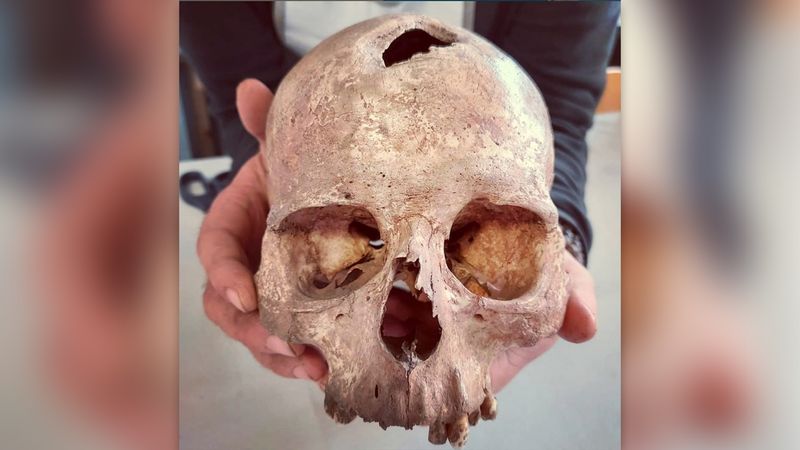 Ancient humans used cave in Spain as burial spot for 4 millennia, 7,000 bones reveal
The bones show burials from the Neolithic until the Bronze Age, and the researchers think the cave may have even been used by Neanderthals.
neanderthals


