

The sun is the beating heart of our solar system and supports all life on Earth. At Live Science, you can learn more about this precious star as it reaches a major peak in solar activity called a solar maximum. Whether it's the dazzling "shooting stars" discovered in the sun's atmosphere, a massive solar explosion felt on Earth, the most devastating solar storm in recorded history, or just spectacular images of the sun, our expert writers and editors will have you in awe of that bright ball in the sky with the latest sun news, features and articles.
Discover more about the sun

-
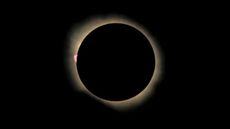 Totality! See incredible photos of the Aug. 12 total solar eclipse from across Europe
From Baily's Beads, a bright-pink prominence to awe-struck eclipse-watchers from across the European continent, check out these stunning images from yesterday's total solar eclipse.
the-sun -
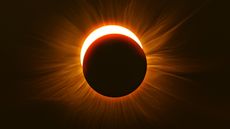 Watch now! The Aug. 12 total solar eclipse has begun (live stream)
Today (Aug. 12), a total solar eclipse will swoop across a narrow path of totality, while millions of people in North America and Europe will be treated to a partial eclipse. Watch it live right here.
the-sun -
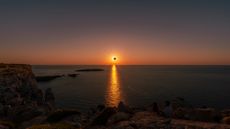 'No longer will anything seem impossible or marvellous': How an 'immoral, foul-mouthed and violent man' wrote the first eyewitness account of a total solar eclipse
Book excerpt In this excerpt from the book "Solar Eclipses" by William Sheehan, we learn of how an ancient Greek poet, who wrote a series of scurrilous songs and deserted the field of battle, became a hero among eclipse-watchers today.
Book excerpt -
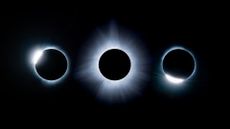 Where and when to see the Aug. 12 solar eclipse — exact times for North America and Europe
Here's exactly when and where to watch the Aug. 12, 2026 solar eclipse in Europe, North America and North Africa.
the-sun -
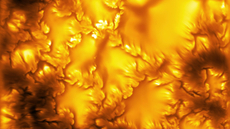 Scientists reveal most-detailed-ever view of the sun's surface
For the first time, scientists have directly observed a 150-year-old predicted phenomenon on the sun's surface that could explain why the sun's atmosphere is far hotter than its surface.
the-sun -
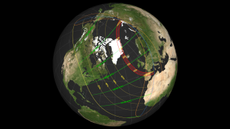 Why the Aug. 12 total solar eclipse appears to move backward
While eclipse paths always move from west to east, this one seems to reverse direction on maps as it crosses the Arctic. Here's the geometry behind the illusion.
the-sun -
 How to make a solar eclipse viewer to safely watch the solar eclipse on August 12
Don't have a pair of eclipse glasses to view the August 12 solar eclipse? No sweat; you can make a safe and simple DIY eclipse viewer with a box, some tinfoil, and a few household craft supplies.
the-sun -
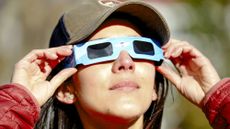 Solar eclipse glasses: Where to buy a safe, certified pair before the August 12 eclipse
You MUST wear protective eyewear to view a partial solar eclipse like the one on August 12. Here's how to find a pair of certified solar eclipse glasses from an approved vendor.
the-sun -
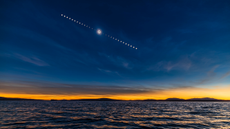 Why Aug. 12 could be the greatest single day and night for skywatchers for years
A solar eclipse, the peak of the Perseid meteor shower, Venus at dichotomy and the Milky Way at its annual best will create one of 2026's best days for skywatching.
2 Commentsthe-sun


