















Whiff of Mighty Mouse Fuels Female Brain Growth

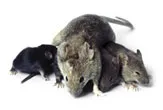
Women are known to go wild over the scent of a man, but the sexy smell of a mighty male mouse can actually make the female's brain grow.
This rodent brain growth apparently made females prefer more powerful mice, scientists discovered.
Animals often attract the opposite sex using chemicals in their scents known as pheromones. The areas of the brain that scientists think pheromones target are also where new cells most often grow in the adult brain—the olfactory bulb, which helps perceive odors, and the hippocampus, which helps store memories.
Now researchers find pheromones from dominant male mice stimulated the production of new neurons in female brains. The same did not prove true when it came to scents of subordinate or castrated males.
Female mice usually prefer dominant males. The scientists found disrupting the brain growth that male pheromones normally trigger in female mice cut their lust for powerful males. Female pheromones also caused growth in male brains to a lesser extent.
The findings are detailed in the August issue of the journal Nature Neuroscience.
The researchers also identified hormones linked with this brain growth. "These kinds of hormones could potentially be useful when it comes to repair or improvement of function of a damaged brain in humans in situations of injury and disease," explained researcher Samuel Weiss, a neuroscientist at the University of Calgary.
Get the world’s most fascinating discoveries delivered straight to your inbox.
The question of whether or not pheromones influence human sexiness is of continuing interest to scientists, the public and the $10-billion-per year perfume industry, said neurobiologist Zhengui Xia at University of Washington in Seattle, who did not participate in this study.
Weiss said, "I don't believe there's any evidence suggesting that pheromones play as critical a role in reproduction in humans as they do in mice, but people do talk a lot about the intangibles they believe bring people together. Pheromones might in some regard play an important role in types of bonding we don't recognize yet."
