













Niacin and Heart Disease: Prescriptions Rise, But Evidence Lacks

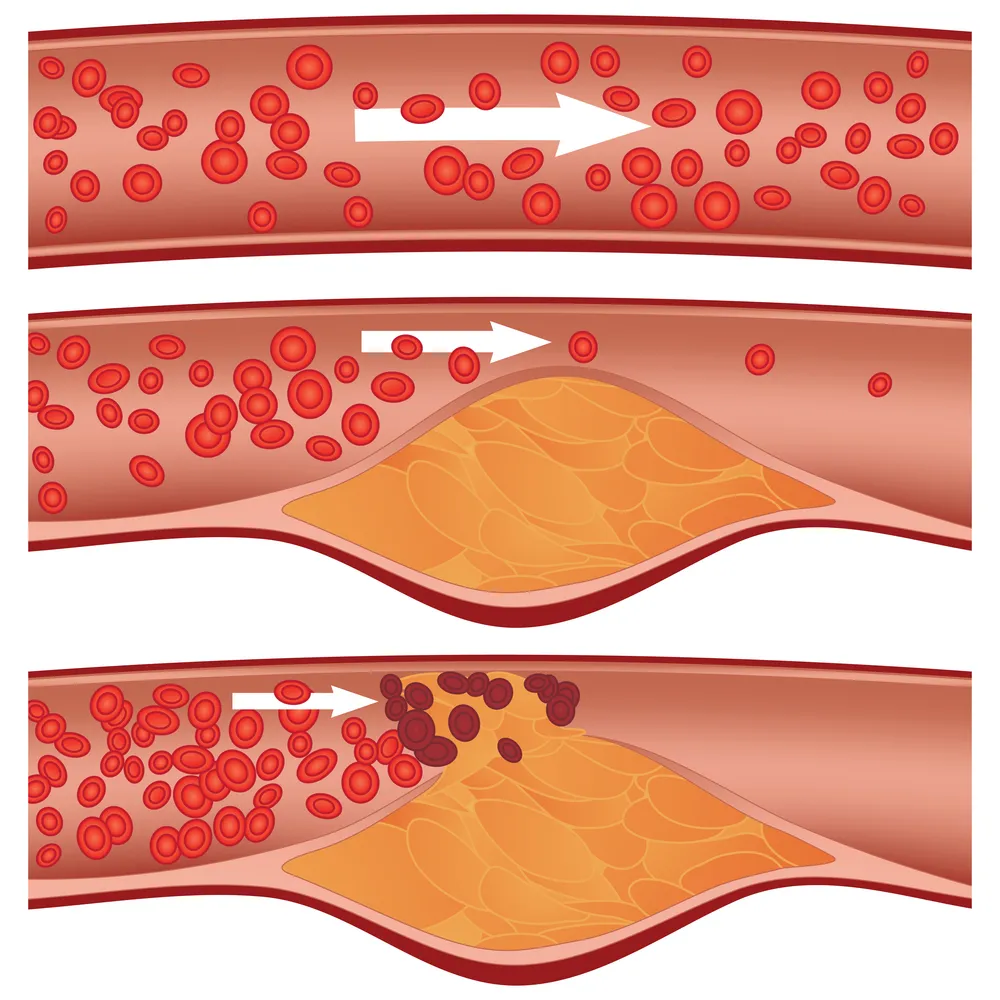
Prescriptions for niacin have jumped in recent years, raising questions about whether the more than $900 million the United States now spends yearly on the vitamin is wise, given that it has failed to show benefits for preventing deaths from cardiovascular disease in the last two large clinical trials.
Use of niacin, also known as vitamin B3, nearly tripled over an eight-year period to reach almost 700,000 U.S. prescriptions monthly by the end of 2009, researchers found. Of all niacin prescriptions written that year, 80 percent were for Niaspan, slow-releasing tablets of niacin made by Abbott Laboratories.
"Our study shows that prescription niacin sales are substantial and growing, even in the absence of contemporary supportive trial evidence," that the vitamin lowers people's risk of dying from heart disease, the researchers wrote in their article, published today (June 10) in the Journal of American Medical Association.
Niacin is one of the body’s essential nutrients, meaning the body is unable to produce the amount it needs on its own, and so it must be consumed in the diet. In high doses, evidence shows that it increases good cholesterol while lowering bad cholesterol. Researchers suspected that these two effects might mean it lowers the risk of cardiovascular diseases, including heart attacks, angina and strokes.
The first-choice drug treatment to prevent heart problems by reducing high cholesterol is use of cholesterol-lowering drugs called statins. Researchers had hoped that niacin would help in prevention too, by raising the good type of cholesterol.
Drugs like Niaspan are designed to avoid the unpleasant side effects of high doses of niacin by gradually releasing the vitamin, but they can harm the liver. Sales of Niaspan reached $911 million last year.
In 2011 and 2012, two large studies involving nearly 30,000 patients in total found no benefits of taking Niaspan, or another niacin drug in addition to statins, in terms of reducing deaths and nonfatal heart attacks and strokes.
Get the world’s most fascinating discoveries delivered straight to your inbox.
In the new study, researchers led by Cynthia A. Jackevicius, an associate professor of pharmacy at Western University of Health Sciences in Pomona, Calif., looked at prescription data for the United States and Canada between 2002 and 2009, and found that even though niacin use has increased in Canada too, it was six-times more frequently prescribed in the United States.
"The discordance between sales and evidence should be a focus of professional dialogue about the role of this medication," the researchers wrote.
Direct-to-consumer advertising, specifically Niaspan's "intervention-style" ads in the United States, may be to blame for people taking a drug that isn't shown to work, the researchers wrote.
Email Bahar Gholipour. Follow LiveScience @livescience, Facebook & Google+. Original article on LiveScience.com.
