













Diet Helps Prevent Repeat Heart Attacks
Too often, people with cardiovascular disease assume the medications they take to lower their cholesterol and blood pressure are enough to prevent another heart attack or stroke. But a new study underscores the fact that eating healthfully also counts — a lot. Healthful eating may not only reduce a person's risk for a new heart attack or stroke, but also lower the risk of dying.
Canadian researchers interviewed nearly 32,000 people from 40 countries with an average age of 66.5 years about their eating habits. All the people in the study, who were already enrolled in two randomized clinical trials, had either established cardiovascular disease or diabetes mellitus with end-organ damage. The participants' food intake was recorded using a food frequency questionnaire that contained 20 food items. Volunteers were asked how often they ate food from various categories during the previous 12 months and were followed for nearly five years.
During the follow-up period, a total of 5,190 cardiovascular events, such as heart attacks or strokes, occurred. But people who had the healthiest diets fared the best. Those who ate a heart-healthy diet had a 35 percent reduction in their risk of death from cardiovascular disease; a 14 percent decrease in their risk for a new heart attack; a 28 percent decrease in their risk for congestive heart failure; and a 19 percent reduction in their risk for stroke.
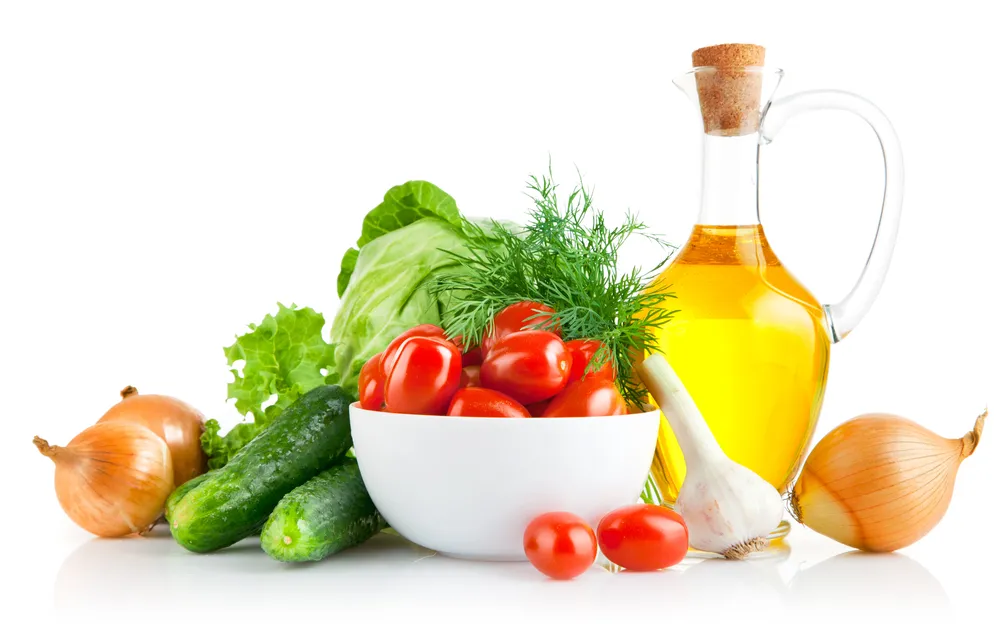
A diet was considered heart-healthy if people followed dietary recommendations and consumed more fruits, vegetables, whole grains and nuts and had a higher intake of fish relative to meat, poultry and eggs, according to the researchers. For example, Americans in the study who fared best ate four servings per day of fruits; five servings of vegetables; one serving of nuts or soy protein; and three or more servings of whole grains, amounts that are consistent with current American dietary guidelines.
People who had the healthiest diets were more likely to be older (an average of 66.7 years of age) and more active and were less likely to smoke. They also tended to have a lower body mass index and drink more alcohol. (Men drank an average of 1.5 to 2.5 glasses per day and women drank from 0.5 to 1.5 glasses daily.) Older people with cardiovascular disease are "more concerned about their health, so they try harder," said nutritionist and study researcher Mahshid Dehghan of the Population Health Research Institute at McMaster University in Ontario, Canada.
The study findings don't negate the important role medication plays in helping people manage cardiovascular disease. Rather, the findings drive home the fact that overhauling one's diet is equally crucial. "A healthy diet offers a consistent benefit over and above the benefits of taking medication," Dehghan said. "The two go hand in hand."
The study appears today (Dec. 3) in the journal Circulation.
Get the world’s most fascinating discoveries delivered straight to your inbox.
Pass it on: Medication plus a healthy diet can help prevent recurrent heart attacks and strokes.
This story was provided by MyHealthNewsDaily, a sister site to LiveScience. Follow MyHealthNewsDaily on Twitter @MyHealth_MHND. We're also on Facebook & Google+.