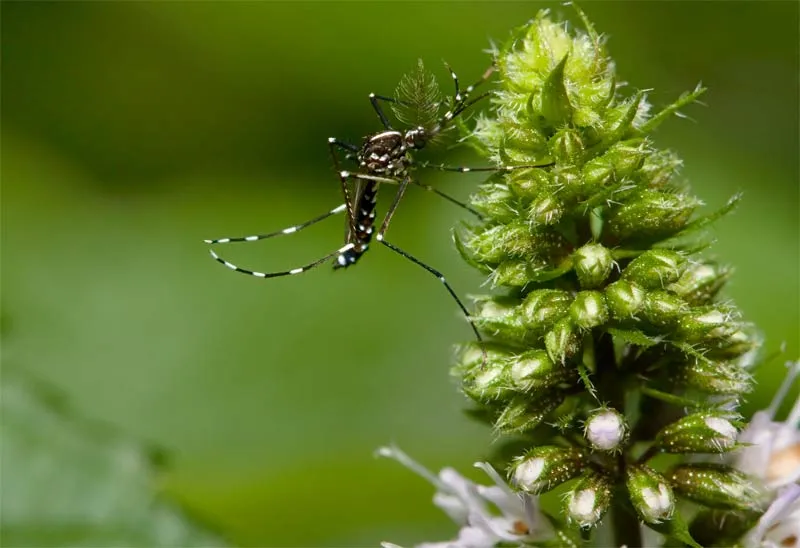
A mild winter and a hot, dry summer are part of the reason West Nile virus is spreading like wildfire throughout the country, researchers say. The mosquito-borne illness, which can cause aches, fever and even death, has sickened at least 1,118 people so far, compared with 712 for all of last year.
The conditions are ripe for the mosquitoes that spread the virus, said researcher Krisztian Magori, a forestry and wildlife scientist at Auburn University in Auburn, Ala. "In many places, there wasn't really a very hard frost that would have killed the mosquitoes," so population started high in the spring, he said.
The summer's drought has worsened the epidemic. Birds are the main hosts for the virus, and many of their watery habitats have dried up, forcing them to cram into smaller areas. Unfortunately, mosquitoes live in those same habitats. The closer quarters make for faster transmission between the two populations. "That leads to a faster buildup of the disease in both the mosquitoes and the birds," Magori said.
Latest Videos From
Texas has been particularly hard-hit. The state has logged 783 cases and 31 deaths so far, with 221 cases in Dallas County alone, according to the Department of State Health Services. These cases include both West Nile fever (which comes with the flulike symptoms) and West Nile neuroinvasive disease, when the virus crosses the blood brain barrier — and can then cause encephalitis (inflammation of the brain) and meningitis (inflammation of the membrane around the brain and spinal cord), according to the Centers for Disease Control and Prevention (CDC).
More than half the mosquitoes trapped this year by Dallas health officials harbored the virus, according to news reports. As panic sets in, residents are calling 911 for mosquito bites and buying out all the bug spray at local stores, reports suggest. [5 Facts About West Nile Virus]
Why is Dallas the epicenter?
It's not clear exactly why Dallas has had so many cases of West Nile, but there are several theories.
Like the rest of the country, Dallas experienced a mild winter, but it also had several rainstorms in the spring. Standing pools of water make the perfect breeding grounds for mosquitoes, Magori said.
Though no one has done a thorough survey of local birds, another theory is that Dallas-area flocks this year might have more young birds that have never encountered the virus. That allows more of them to become infected and then spread the disease to mosquitoes, said Erin Staples, a medical epidemiologist with the Centers for Disease Control and Prevention (CDC) in Fort Collins, Colo. Birds that were exposed in years past are immune to the disease, Staples told LiveScience.
Despite the uptick in cases, there's no need to fret over every bug bite. The disease only causes symptoms in about one in five people. Of these, most get flulike aches and pains, while only one in 150 experience more extreme symptoms such as high fevers, seizures and paralysis, according to the CDC.
To avoid getting bitten at all, the best bet is to get rid of standing water, stay indoors during dawn and dusk, wear long sleeves and pants, and slather on the insect repellant when outdoors, Staples said.
Follow LiveScience on Twitter @livescience. We're also on Facebook & Google+.