This Research in Action article was provided to LiveScience in partnership with the National Science Foundation.
The red-cockaded woodpecker is very particular about its real estate, a quality that helped land it on the U.S. Endangered Species List. When building nests, these birds choose only living, mature Southern pines and show a strong preference for longleaf pines.
Logging and development eliminated much of the habitat for this bird, resulting in a plummeting population throughout its range in the southeastern United States. Virginia's population of the birds dropped to a mere two breeding pairs in 2002. Fortunately, by June 2011, researchers logged nine breeding pairs and 26 chicks, the highest population in three decades. Unfortunately, however, this "chick boom" may result in the birds outgrowing their limited habitat.
Latest Videos From
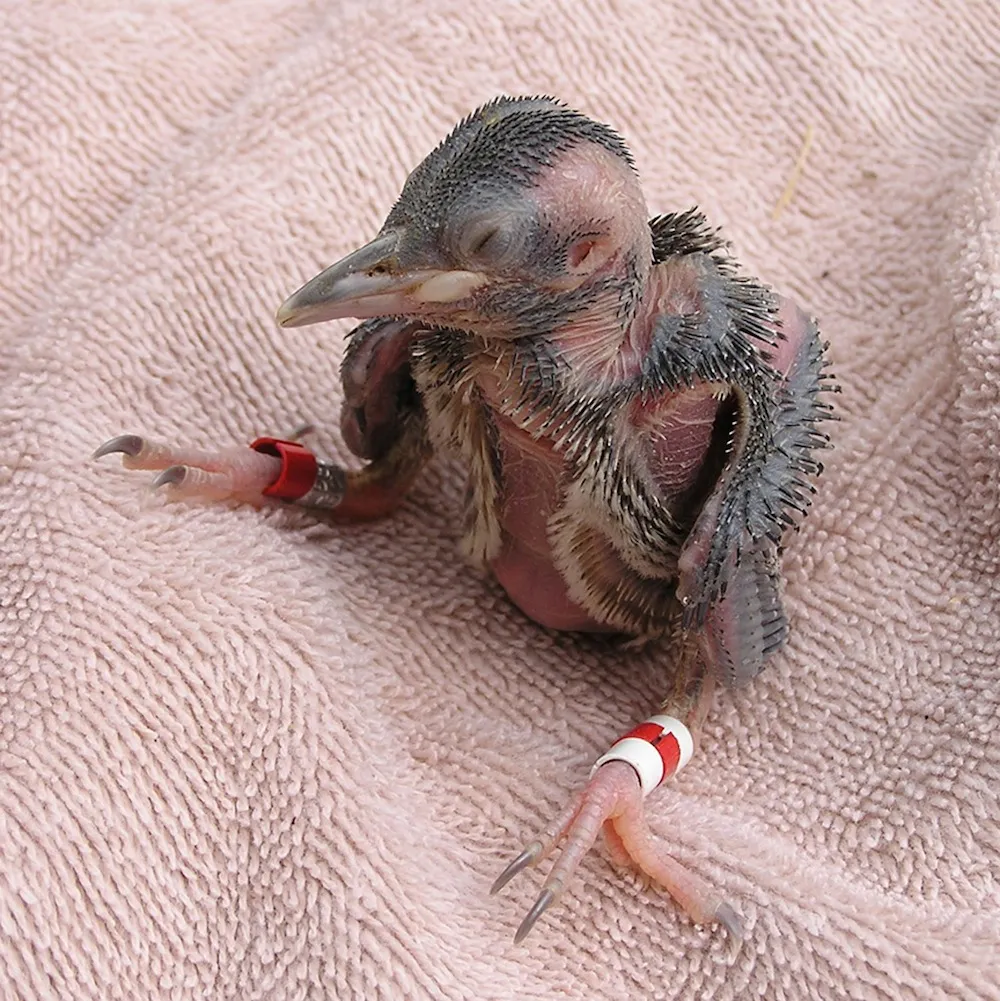
Researchers have been monitoring the Virginia population for years and each spring they carefully tag the newly hatched chicks. Each chick gets a silvery numbered band on one leg. Three colored bands on the left leg allow individuals to be identified by sight when ornithologists return to check on the health of the young birds once they've matured enough to get ready to fly.
Red-cockaded woodpeckers are cooperative breeders, with a "helper" bird assisting in the domestic chores of the breeding pair. Red-cockadeds are cavity nesters, chiseling out a round cavity that they use for several years. Pine sap flows around the outside of the distinctive circular opening, congealing into a sticky film that effectively deters egg-hungry snakes.
To learn more, check out this article from the College of William & Mary.
Any opinions, findings, and conclusions or recommendations expressed in this material are those of the author and do not necessarily reflect the views of the National Science Foundation. See the Research in Action archive.