
-
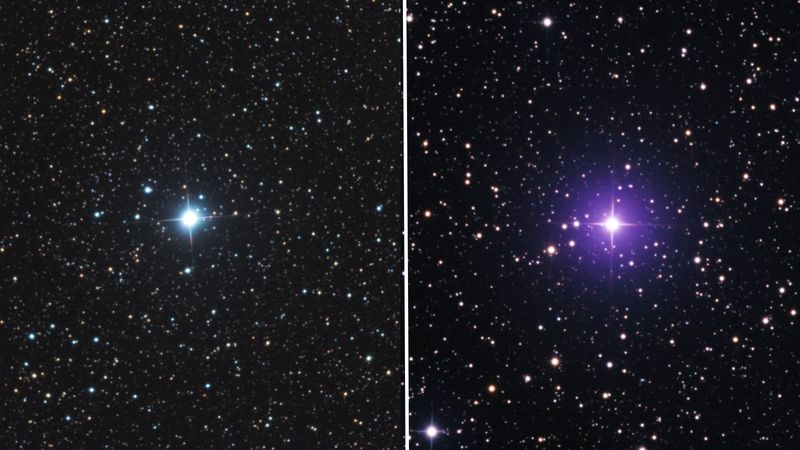 2 'new stars' have exploded into the night sky at once — potentially for the first time in history
Astronomers have spotted another never-before-seen "nova" blaze to life in the night sky. This may be the first time that simultaneous stellar explosions have been visible to the naked eye in recorded history.
2 Commentsastronomy -
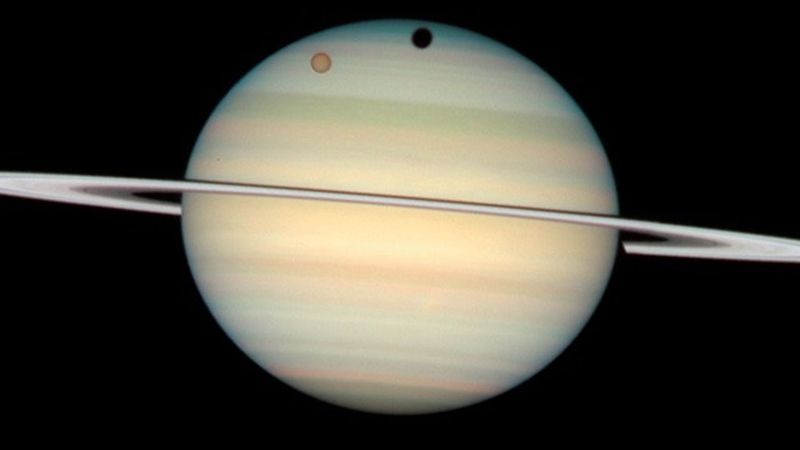 You can see a giant 'hole' shoot across Saturn this summer — and it won't happen again until 2040
There will be several chances to see the shadow of Saturn's largest moon, Titan, pass across the ringed planet's Earth-facing surface over the next few months. The rare spectacle is only visible every 15 years.
2 Commentsastronomy -
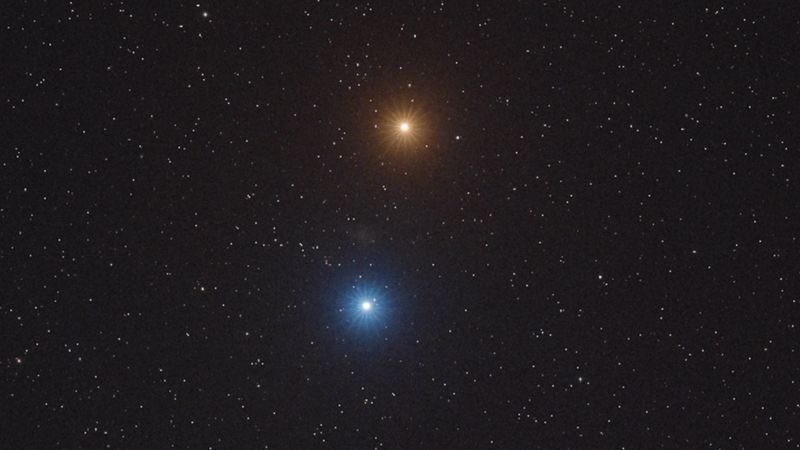 Mars cozies up to one of the brightest stars in the sky in 'mind-blowing' conjunction photo
A superbright Mars is currently visible alongside Regulus, the "Heart of the Lion" star located around 79 light-years from Earth.
astronomy -
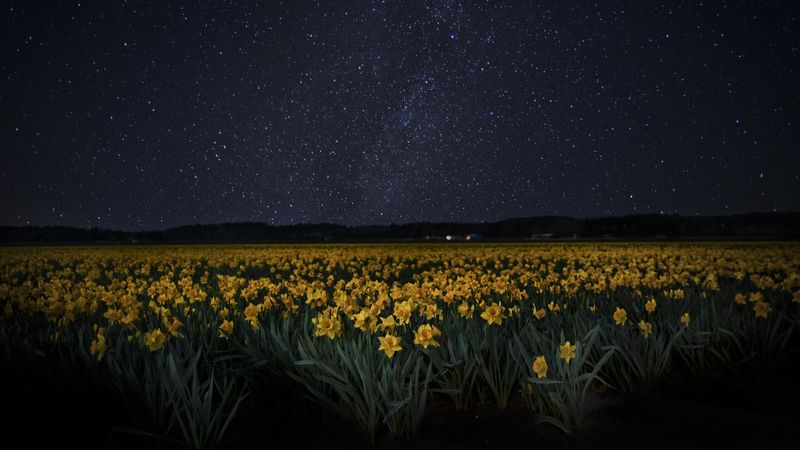 May's best stargazing week has begun. Here's what to see.
This week is the best time in May to view the night sky. Here's everything you can see during May's dark skies, from an upside-down bear to some of the oldest stars in the universe.
astronomy -
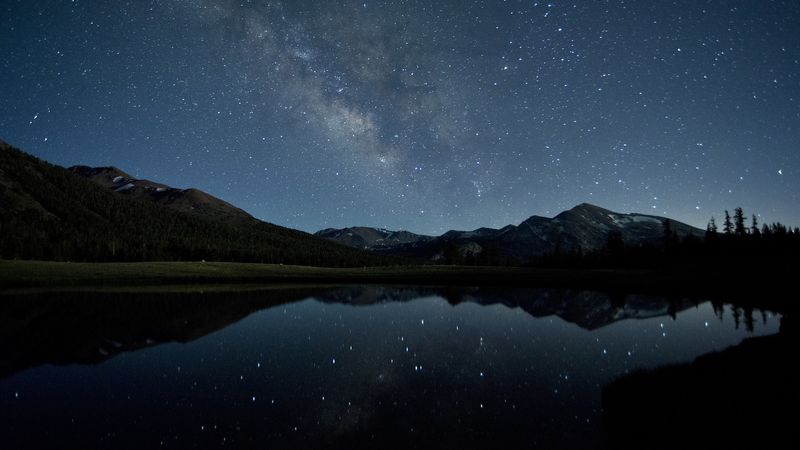 The Milky Way will be visible across the US this month. Here's how to get the best views.
For those in midlatitudes of the Northern Hemisphere, the arc of our galaxy becomes easier to see in May. Here's when and where to look.
2 Commentsspace -
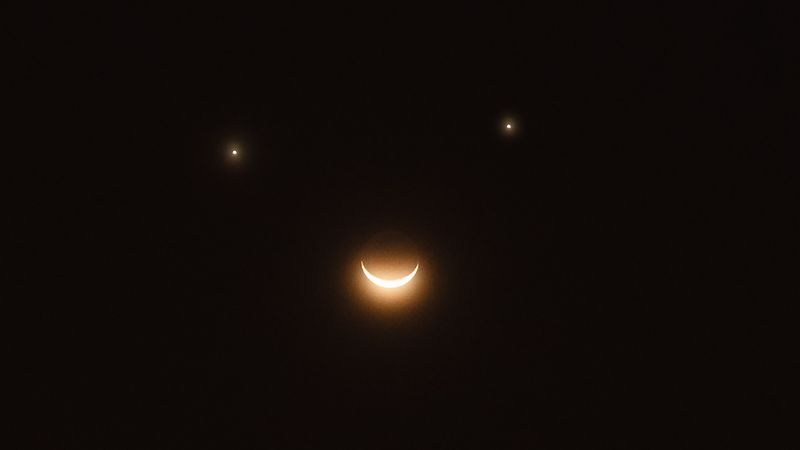 Two planets will form a 'smiley face' with the moon on April 25
A rare 'smiley face' triple conjunction is coming to Earth's morning skies on April 25, when Venus, Saturn and the crescent moon form a celestial smirk near the horizon.
2 Commentsastronomy -
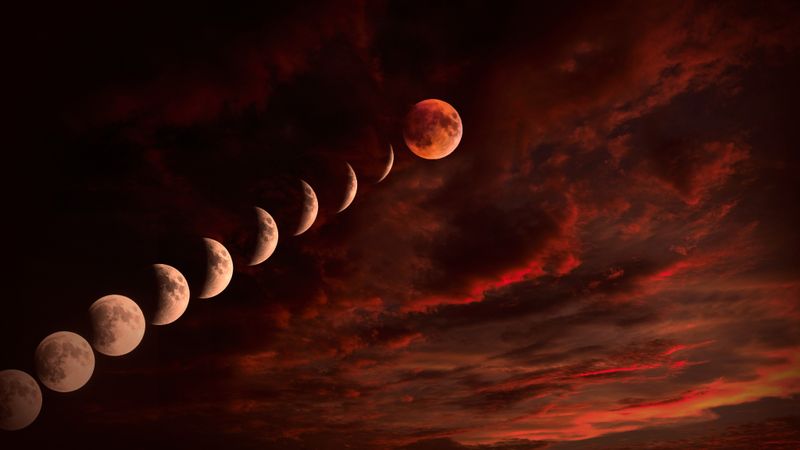 The 'blood moon' total lunar eclipse is visible in North America tonight — here's how to see it
The full moon rises tonight. Here's everything you need to know about how to see the first "blood moon" total lunar eclipse since 2022, and the only one visible from North America this year.
the-moon -
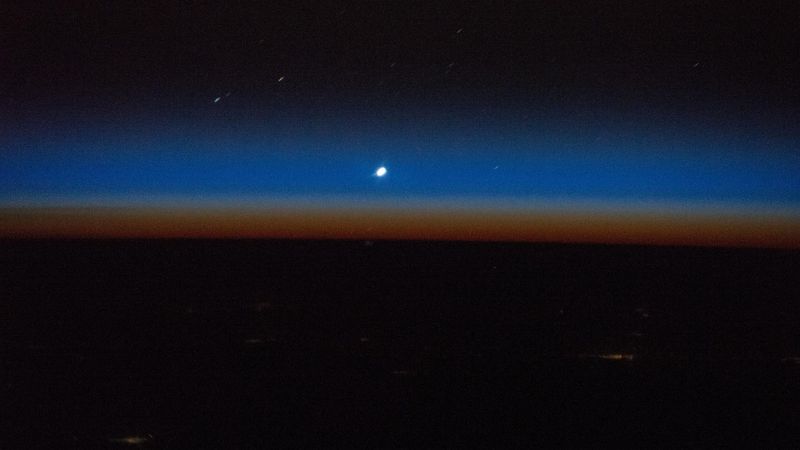 'Planet parade' ends with a rare conjunction of Venus and Mercury at sunset. Here's how to watch.
The two innermost planets, Venus and Mercury, will shine together low in the western sky at sunset on March 10. Here's how to get the best view before they disappear.
planets -
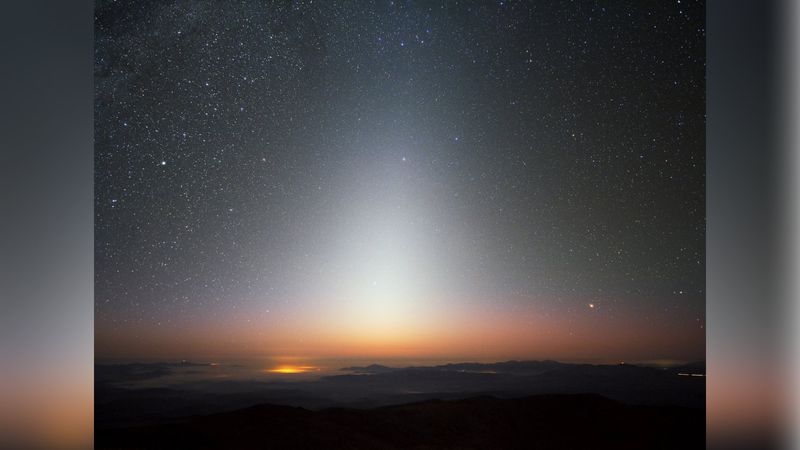 A strange triangle will appear in the zodiac this month. How to see rare 'zodiacal light,' before it disappears.
A 'false dusk' will be visible during twilight in February, but only from locations that are free of light pollution. Here's everything you need to know about zodiacal light.
planets


