
-
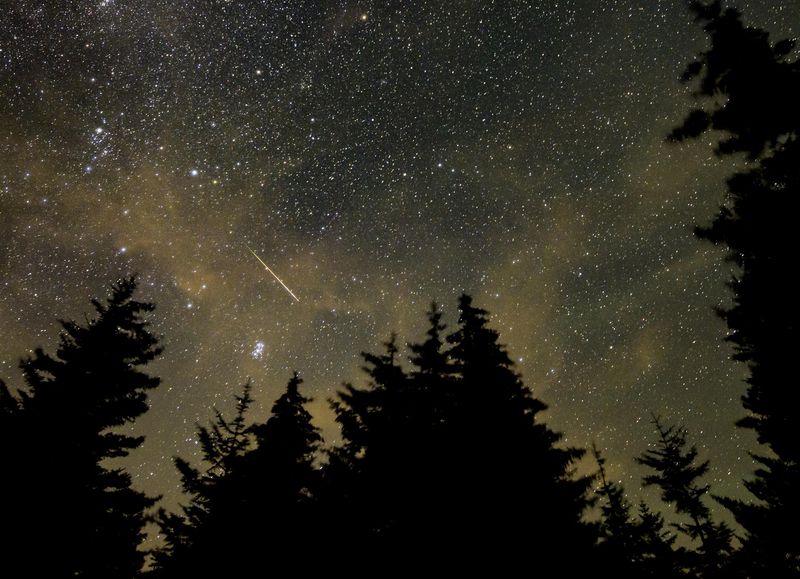 The best meteor showers of 2024 are yet to come. Here are the key nights to watch for.
Here's everything you need to know to see the best meteor showers of 2024.
astronomy -
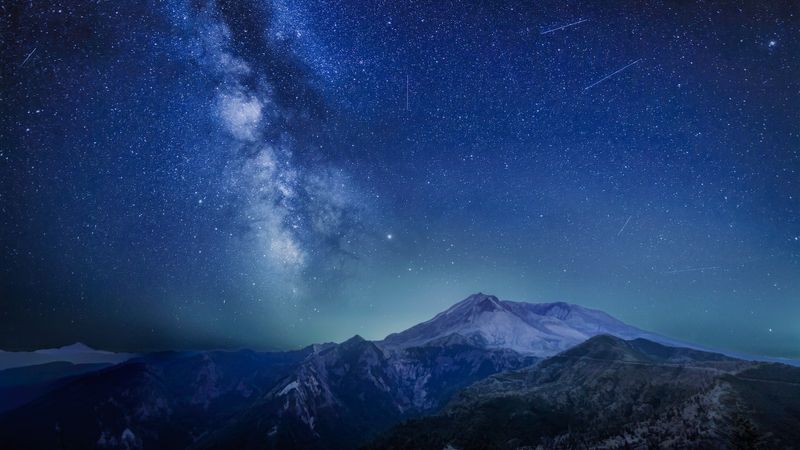 Delta Aquariids 2024: July's next meteor shower offers ideal conditions for 'shooting stars'
The Delta Aquariid meteor shower begins this week, bringing as many as 20 "shooting stars" per hour to the night sky. Here's why this year's shower offers ideal conditions for stargazers.
meteoroids -
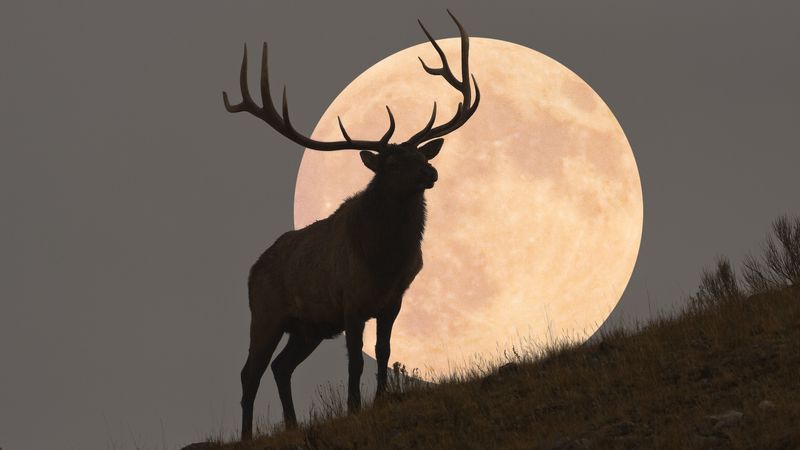 July's full 'Buck Moon' rises this week — and signals a big lunar transition is on the way
July's full moon — also known as the Buck Moon, the Thunder Moon and the Hay Moon — will be at its fullest on the night of July 21. It's the last "regular" full moon before a parade of four consecutive "supermoons" light up the sky.
the-moon -
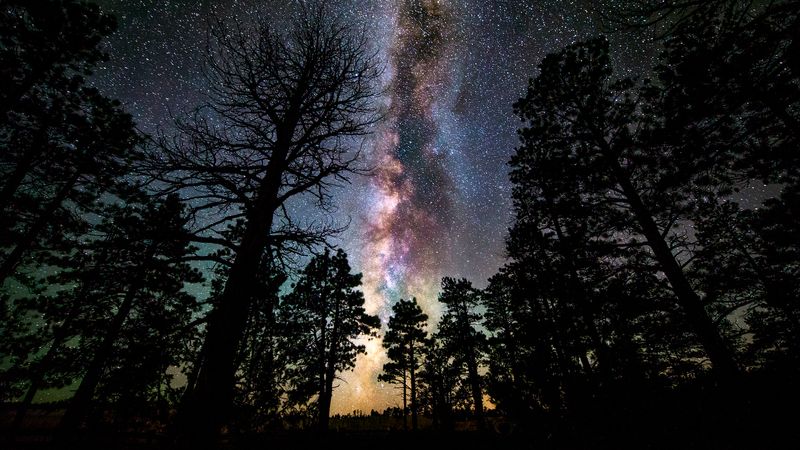 The Milky Way will be visible without a telescope this summer. Here are the key nights to watch for.
Summer is the best time to see the Milky Way in the Northern Hemisphere without a telescope. The key is to find clear, dark skies on moonless nights.
astronomy -
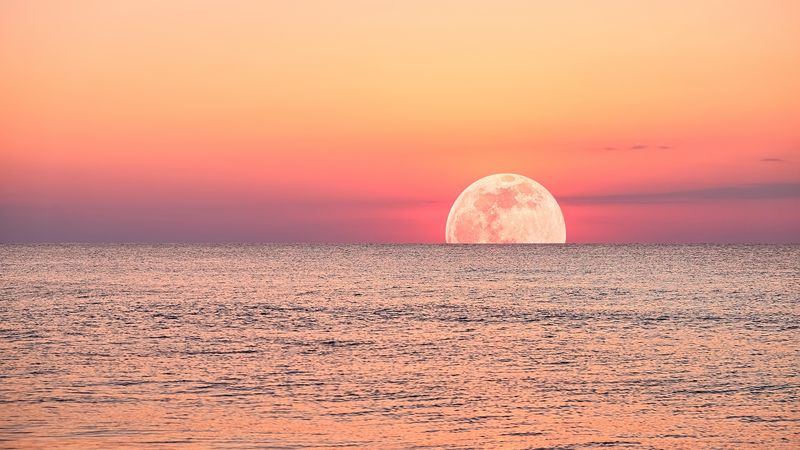 Strawberry Moon 2024: See summer's first full moon rise a day after solstice
June's full "Strawberry Moon" rises one day after the summer solstice in the Northern Hemisphere. This will be the lowest full moon of the year.
the-moon -
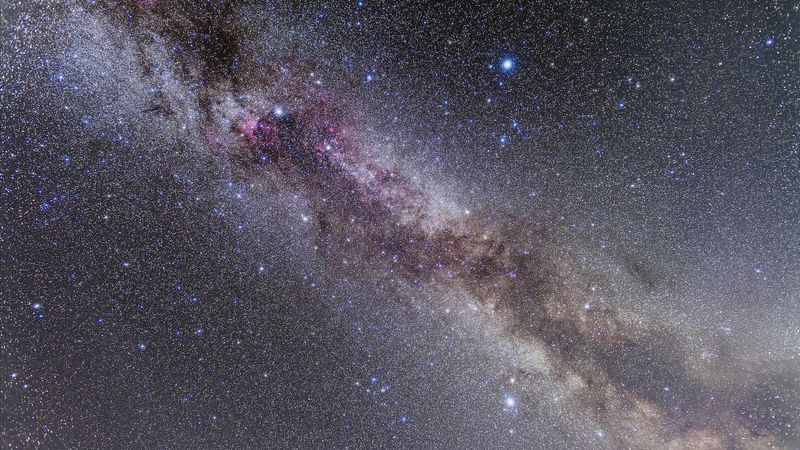 Three bright stars mark the beginning of summer. Here's how to spot the 'Summer Triangle' this week.
The appearance this week of the three bright Summer Triangle stars — Vega, Deneb and Altair — marks the beginning of summer in the Northern Hemisphere. Here's how to spot them.
astronomy -
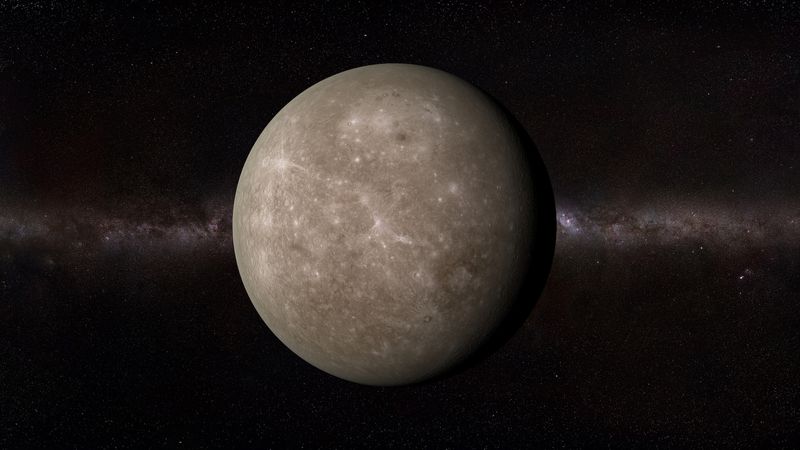 It's the best time of year to spot Mercury. Here's how to find it.
Mercury is about to reach its "greatest elongation west" of the sun, meaning stargazers will have their best view of the "swift planet" all year. Here's how to see it.
mercury -
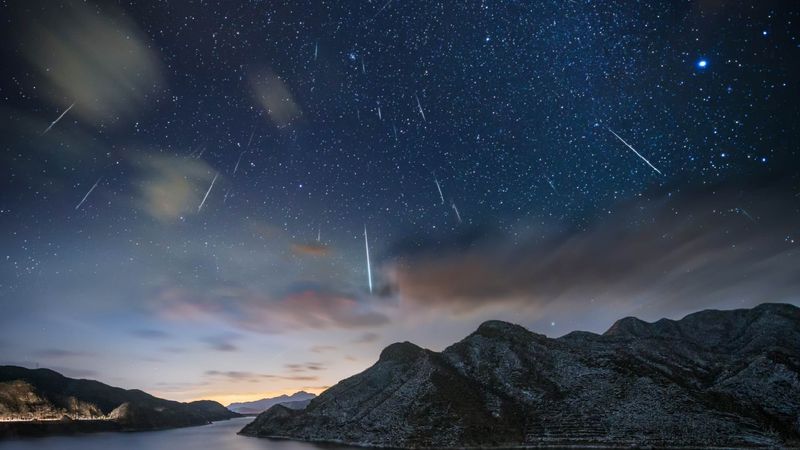 See up to 50 'shooting stars' per hour as the Eta Aquarid meteor shower peaks this weekend
Up to 50 "shooting stars" per hour may be visible in moonless skies as the Eta Aquarid meteor shower peaks Saturday and Sunday (May 4 and 5). The annual shower is linked to debris from Halley's comet.
meteoroids -
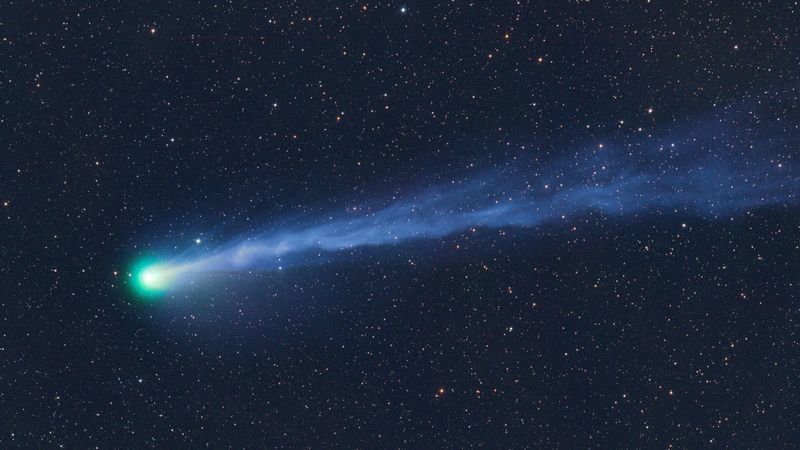 Explosive 'devil comet' 12P will soon be at its brightest and best. Here's how to see it before it disappears.
The explosive green 'devil comet' 12P/ Pons-Brooks is about to reach its closest point to the sun. Here's how to see the rare visitor at its best and brightest.
comets


