Livescience Livescience
Sign in
  • View Profile
  • Sign out
  • Animals
    • Aquatic animals
      • Fish
      • Sharks
      • Mollusks
      • Octopuses
      • Squids
    • Reptiles, amphibians, insects and arachnids
      • Reptiles
      • Snakes
      • Turtles and tortoises
      • Lizards
      • Amphibians
      • Alligators and crocodiles
      • Spiders and other arachnids
      • Insects
    • Mammals
      • Bears
      • Cats
      • Dogs
      • Elephants
      • Primates
      • Dolphins
      • Orcas
      • Whales
    • Birds
    • Extinct species
      • Dinosaurs
      • Mammoths
  • Archaeology
    • Human evolution
      • Neanderthals
    • Regions
      • The Americas
      • Ancient China
      • Middle East
    • Cultures
      • Romans
      • Vikings
      • Ancient Egyptians
  • Health
    • The human body
      • Aging
      • Allergies
      • Anatomy
      • Exercise
      • Food and drink
      • Genetics
      • Heart and circulation
      • Immune system
      • Medicine and drugs
      • Neuroscience
      • Reproductive health
      • Sex
      • Sleep
      • Surgery
    • Viruses, infections and disease
      • Alzheimer's and dementia
      • Bacterial and fungal infections
      • Cancer
      • Coronavirus
      • Flu
      • HIV
    • Human behavior
      • Arts and entertainment
      • Conspiracies and paranormal
      • Education
      • Psychology
    • Mathematics
    • Particle physics
    • Quantum physics
    • Chemistry
  • Planet Earth
    • Earth science
      • Earthquakes
      • Volcanoes
      • Weather
      • Geology
    • Climate change
      • Fossil fuels
      • Nuclear energy
      • Renewable energy
      • Antarctica
      • Arctic
    • Nature
      • Plants
      • Rivers and oceans
      • Evolution
  • Space
    • Astronomy
      • Asteroids
      • Black holes
      • Comets
      • Cosmology
      • Meteoroids
      • Exoplanets
    • The solar system
      • The sun
      • The moon
      • Mercury
      • Venus
      • Mars
      • Jupiter
      • Saturn
      • Uranus
      • Pluto
    • Space exploration
      • Extraterrestrial life
      • Stargazing
      • NASA
      • Space photo of the week
  • Technology
    • Artificial intelligence
    • Communications
    • Computing
    • Mixed reality
    • Quantum computing
    • Electric vehicles
    • Engineering
    • Electronic engineering
    • Robotics
    • Products
      • Health and fitness
      • Optics
      • STEM toys and games
      • Tech and gadgets
    • By type
      • News
      • Features
      • Opinion
      • Interviews
    • More
      • About us
      • Newsletters
      • Follow us
      • Archive
  • Home
  • Animals
    • View Animals
    • Aquatic animals
      • View Aquatic animals
      • Fish
      • Sharks
      • Mollusks
      • Octopuses
      • Squids
      • Reptiles
      • Snakes
      • Turtles and tortoises
      • Lizards
      • Amphibians
      • Alligators and crocodiles
      • Spiders and other arachnids
      • Insects
      • Bears
      • Cats
      • Dogs
      • Elephants
      • Primates
      • Dolphins
      • Orcas
      • Whales
    • Birds
    • Extinct species
      • View Extinct species
      • Dinosaurs
      • Mammoths
  • Archaeology
    • View Archaeology
    • Human evolution
      • View Human evolution
      • Neanderthals
      • The Americas
      • Ancient China
      • Middle East
      • Romans
      • Vikings
      • Ancient Egyptians
  • Health
    • View Health
      • Aging
      • Allergies
      • Anatomy
      • Exercise
      • Food and drink
      • Genetics
      • Heart and circulation
      • Immune system
      • Medicine and drugs
      • Neuroscience
      • Reproductive health
      • Sex
      • Sleep
      • Surgery
      • Alzheimer's and dementia
      • Bacterial and fungal infections
      • Cancer
      • Coronavirus
      • Flu
      • HIV
    • Human behavior
      • View Human behavior
      • Arts and entertainment
      • Conspiracies and paranormal
      • Education
      • Psychology
    • Mathematics
    • Particle physics
    • Quantum physics
    • Chemistry
  • Planet Earth
    • View Planet Earth
      • Earthquakes
      • Volcanoes
      • Weather
      • Geology
    • Climate change
      • View Climate change
      • Fossil fuels
      • Nuclear energy
      • Renewable energy
      • Antarctica
      • Arctic
      • Plants
      • Rivers and oceans
      • Evolution
  • Space
    • View Space
    • Astronomy
      • View Astronomy
      • Asteroids
      • Black holes
      • Comets
      • Cosmology
      • Meteoroids
      • Exoplanets
    • The solar system
      • View The solar system
      • The sun
      • The moon
      • Mercury
      • Venus
      • Mars
      • Jupiter
      • Saturn
      • Uranus
      • Pluto
    • Space exploration
      • View Space exploration
      • Extraterrestrial life
      • Stargazing
      • NASA
      • Space photo of the week
  • Technology
    • View Technology
    • Artificial intelligence
    • Communications
    • Computing
    • Mixed reality
    • Quantum computing
    • Electric vehicles
    • Engineering
    • Electronic engineering
    • Robotics
    • Products
      • View Products
      • Health and fitness
      • Optics
      • STEM toys and games
      • Tech and gadgets
      • News
      • Features
      • Opinion
      • Interviews
      • About us
      • Newsletters
      • Follow us
      • Archive
  • Sign up for our newsletters Newsletter
  • RSS
    Trending
    • Doomsday glacier
    • AI model using quantum computer
    • Largest floating wind turbine in China
    • Radio view of universe

    When you purchase through links on our site, we may earn an affiliate commission. Here’s how it works.

    bison

    null
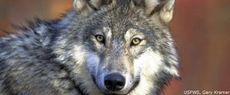
    Wolf Bones Beat Tree Rings as Climate Records

    Changes in atmosphere's chemistry show up in wolves' bones.

    • null
      Prey Forget to Fear Predators

      Prey animals are not necessarily hard-wired to fear their enemies.

      By Ker Than Published 20 June 07

    • null
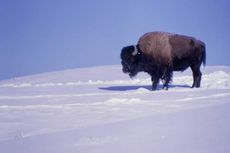
      Bison Poop Reveals Two Distinct U.S. Populations

      Having two breeding populations in Yellowstone could boost the overall genetic diversity of the beasts.

      By Jeanna Bryner Published 30 January 07

    • null
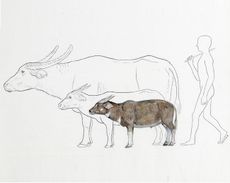
      Ancient Miniature Buffalo Discovered

      By Jeanna Bryner Published 17 October 06

    • null
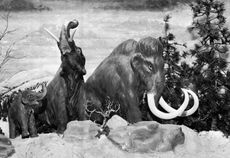
      Tuberculosis Helped Bring Down Mastodons

      A pandemic among an ancient mammoth-like creature probably contributed to the great beasts' demise, a new study suggests.

      By Ker Than Published 22 September 06

    • Throughout history, humans have admired eagles for their fierce beauty and strength, often using them to symbolize power and grace and independence. Eagles have powerful talons for tearing flesh and their beaks are nearly as long as their heads. Too large to chase prey through the air effectively, eagles typically hunt by dropping from the sky in surprise attacks. Solitary creatures, eagles mate for life and will use the same nest�some of which are over 10 feet across�each year.<br><font color=yellow>-----</font><br><font color=red>Range:</font> Worldwide.<br><font color=red>Characteristics:</font> Large, hooked beak, strong legs and powerful talons. They resemble vultures but have fully feathered heads and hunt live prey.
      10 Species Success Stories

      By Live Science Staff Published 21 June 06

    • null
      Climate Change, Not Humans, Killed Large Beasts

      What killed the mammoths? A new explanation is instantly controversial.

      By Bjorn Carey Published 10 May 06

    1 2 3 4
    Useful links
    Feed your curiosity
    • Life's Little Mysteries
    • Earth from space
    • Diagnostic dilemmas
    • Astonishing artifacts
    Grow your knowledge
    • Jaw-dropping James Webb Space Telescope images
    • Amazing women in science and math
    • Explore the periodic table of elements
    • Uncanny facial reconstructions from history
    Science in your life
    • Science quizzes and games
    • Beginner's guide to wildlife photography
    • The best telescopes for spotting stars and planets
    • Mind-blowing science facts
    Ls Logo

    Live Science is part of Future US Inc, an international media group and leading digital publisher. Visit our corporate site.

    Add as a preferred source on Google Add as a preferred source on Google
    • Accessibility Statement
    • Contact Future's experts
    • About Us
    • Terms and conditions
    • Privacy policy
    • Cookies policy
    • Advertise with us
    • Web notifications
    • Careers
    • Editorial standards
    • How to pitch a story to us

    © Future US, Inc. Full 7th Floor, 130 West 42nd Street, New York, NY 10036.

    Please login or signup to comment

    Please wait...