

-
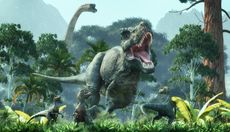 What was the typical life span of a dinosaur?
What was the typical life span of a dinosaur? It depends on the size and species, of course.
dinosaurs -
 Can dogs and cats be allergic to humans?
If people can be allergic to pets, can pets be allergic to people?
animals -
 75 million-year-old 'forgotten lord of the oasis' titanosaur fossils from Egypt fill a 'black hole' in dinosaur history
A newly described titanosaur species, named after an ancient Egyptian deity, fills a gap in our understanding of Africa's dinosaurs.
dinosaurs -
 What's the highest temperature water can freeze, and the lowest it can boil on Earth?
Ice can form on Earth at temperatures above 32 degrees Fahrenheit (0 degrees Celsius), and water can boil below 212 F (100 C). Here's how.
chemistry -
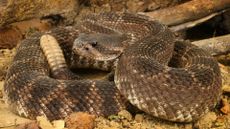 How do rattlesnakes rattle?
The rattlesnake's rattle is nothing like a maraca.
snakes -
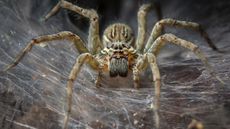 Why do spiders have 8 legs?
Spiders' ancestors evolved to use their appendages in very weird ways.
spiders-arachnids -
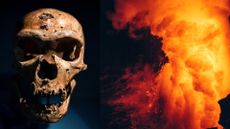 Were Neanderthals really killed off by Campi Flegrei, Europe's awakening 'supervolcano'?
The volcano beneath Italy erupted 40,000 years ago and had catastrophic impact on Earth's climate — around the same time that the Neanderthals began their slow march to extinction.
neanderthals -
 Why do our stomachs growl?
A rumbling stomach is a normal part of digestion.
food-drink -
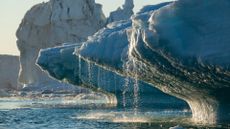 Why did the last ice age end?
What caused the last ice age to end around 10,000 years ago?
geology -
 Why do horses sleep standing up?
How do horses snooze where they stand without falling over?
land-mammals -
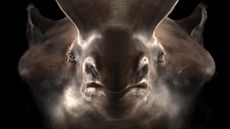 Rhino-like 'thunder beasts' grew massive in the evolutionary blink of an eye after dinos died off
Ancient mammals known as 'thunder beasts' grew 1,000 times bigger just 16 million years after the dino-killing asteroid struck.
extinct-species -
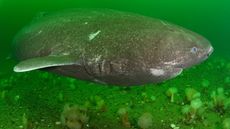 What is the oldest shark?
At nearly 400 years old, the oldest-known living vertebrate crossed the oceans the same time as the Mayflower.
sharks -
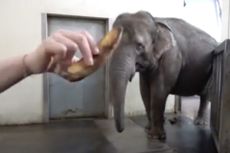 Watch an elephant peel a banana with her trunk in incredible first–of-its-kind footage
An Asian elephant at the Berlin Zoo, Pang Pha, taught herself to peel bananas with her trunk by watching her keepers.
land-mammals -
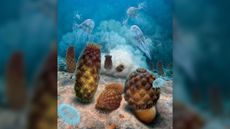 Oops, this 300 million-year-old 'blob' fossil was upside down. It's not a jellyfish after all.
Famous 'jellyfish' fossil from 300 million years ago was upside-down the whole time. It's actually another animal entirely.
extinct-species -
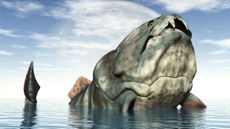 Ancient monster fish 'Dunk' was short and chunky, study finds
One of the largest ancient fish on record, known as Dunkleosteus, was actually half as long, but still super chunky, a new study finds.
fish -
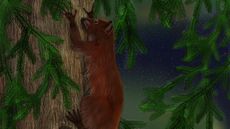 52 million years ago, strange primates lived in complete darkness in the Arctic
During the Eocene, the Arctic was a warm, swampy place that these primates called home.
primates -
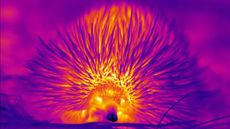 Prickly echidnas stay cool by blowing snot bubbles
Echidnas use booger bubbles to stay cool in hot weather Down Under.
animals -
 Dog vision: What colors can dogs see?
Reference How dogs see the world is very different to humans, and can only distinguish between blue and yellow hues.
Reference -
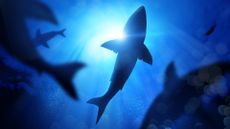 Great white sharks may have driven megalodon to extinction
For millions of years, megalodon was the top predator in marine ecosystems. Then great whites came along and ruined everything.
sharks -
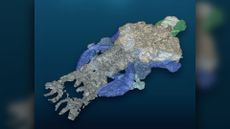 Ancient toothless 'eel' is your earliest known ancestor
A perplexing mystery fish may have finally been placed on the evolutionary tree of life as an ancestor of all four-limbed animals, also known as tetrapods.
fish -
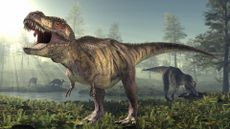 T. rex and its close relatives were warm-blooded like modern birds
Dinosaur metabolisms were diverse; some lineages were cold-blooded like their lizard cousins, while others were warm-blooded like their avian relatives alive today.
dinosaurs -
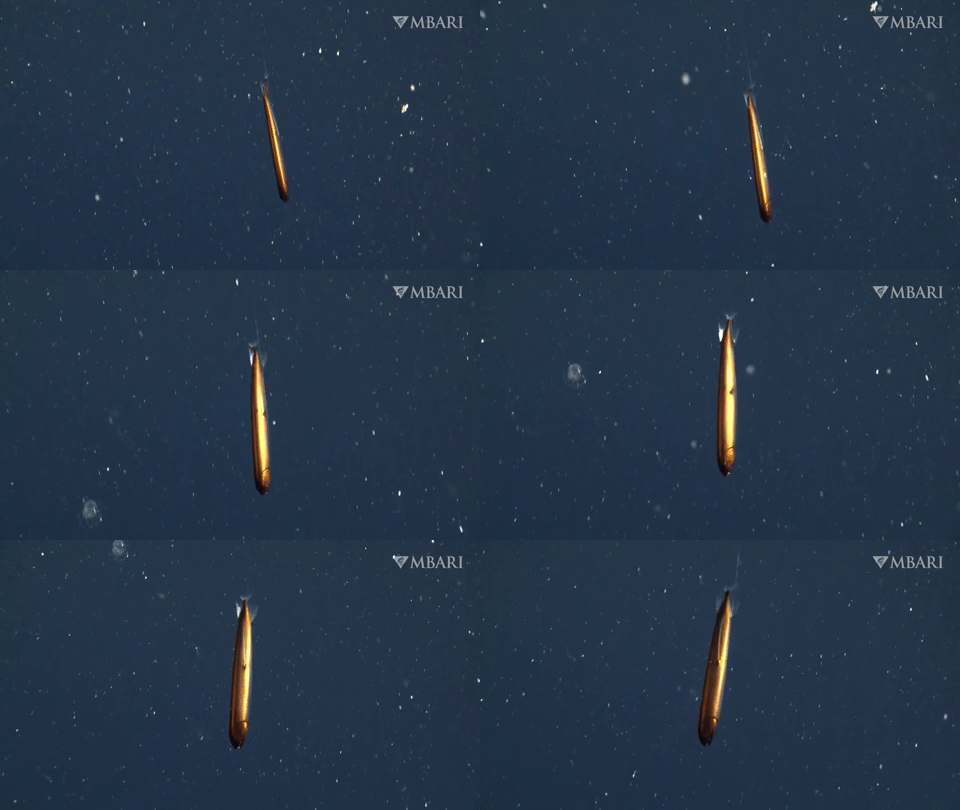 Elusive bronze-scaled ‘dragon’ of the deep caught on video off California coast
Scientists exploring the depths of Monterey Bay unexpectedly encountered a rare and unique species of dragonfish.
fish -
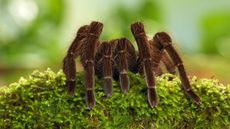 What is the largest arachnid to ever live?
What's the largest arachnid ever on Earth? The answer is not so simple, say scientists.
spiders-arachnids -
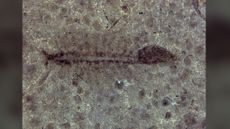 100 million-year-old fairy shrimp reproduced without sex, rare fossils reveal
A newly discovered species of freshwater shrimp called Koonwarrella peterorum may have reproduced asexually via parthenogenesis.
extinct-species


