

-
 Mass bird die-off in eastern US baffles scientists
A mysterious illness is spreading throughout bird populations in the eastern U.S.
bacterial-fungal -
 Why do some animals have sperm 20 times the length of their bodies?
Sperm come in tons of sizes, and it all has to do with how they have to find the egg.
sex -
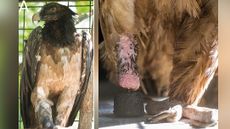 World's first bionic vulture created
Lifesaving surgery gives a rare bird a leg up.
birds -
 Humans might be making genetic evolution obsolete
A new study on human cultural evolution argues that humans evolve much faster as cultures than as individual organisms, molding our genes in the process.
genetics -
 Mysterious protein makes human DNA morph into different shapes
Human and mosquito cell nuclei have their own shapes, and researchers can mold one to look like the other.
genetics -
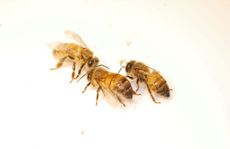 Honeybee 'Trojan horse' virus relies on bees' habit of cannibalizing their young
An increasingly virulent pathogen is turning hygienic cannibalism on its head.
insects -
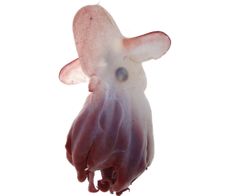 All hail 'Emperor Dumbo,' the newest species of deep-dwelling octopus
A new species of Dumbo octopus, nicknamed the Emperor Dumbo, has been dredged up from the deep sea.
aquatic-animals -
 No, men don't learn toxic masculinity from their fathers
A man's lack of friends may predict whether he will embrace toxic masculinity, while the presence or absence of a male role model early in life isn't a factor.
psychology -
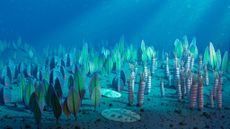 Genes of 500 million-year-old sea monsters live inside us
Primeval sea creatures share genes with humans, suggesting that we're more like ancient animals than previously thought.
extinct-species -
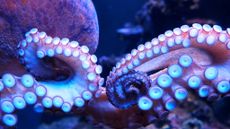 Octopuses can 'see' light with their arms
Octopuses can "see" light with their arms, even when their eyes are in the dark, researchers have found.
aquatic-animals -
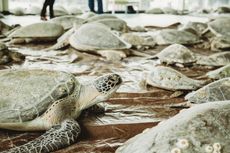 Why thousands of turtles were paralyzed off the coast of Texas this week
Here's why thousands of sea turtles were paralyzed in the frigid waters along the Texas coastline during the unprecedented winter storm that swept across the country this week.
turtles-tortoises -
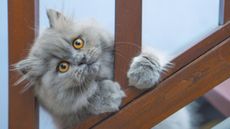 Cats with smooshed faces can't express emotions, and it's all our fault
Flat feline faces are stuck in perpetual frowns.
cats


