













Biodiversity Declining at 'Unprecedented Rate'

The biodiversity of Earth "is declining at an unprecedented rate" according to a new study of threatened species that labels 15,589 plants and animals as threatened for extinction.
The World Conservation Union today put out its Red List of Threatened Species and a companion study, the Global Species Assessment. It is the most comprehensive evaluation ever made of the status of the world's biodiversity, officials said.
The list is larger than versions past in part because it includes a more complete assessment of amphibians.
Among the report's conclusions:
- At least 15 species have gone extinct in the past 20 years; 12 other species survive only in captivity. The actual extinction figure may be higher.
- A total of 15,589 species (7,266 animals and 8,323 plants and lichens) are considered at risk of extinction.
- One in three amphibians and 42 percent of turtles and tortoises are threatened with extinction, along with 12 percent of birds 23 percent of mammals.
- The numbers of threatened species are increasing across almost all major taxonomic groups;
- Current extinction rates are at least one hundred to a thousand times higher than background, or "natural" rates.
The findings were unveiled at the 3rd World Conservation Congress.
"This sobering new report should serve as a wake-up call to take immediate action to prevent further species loss," said Russell Mittermeier, president of Conservation International. "It is not too late to act. But we cannot assume that any conservation activities will automatically prevent extinctions. We need better-funded efforts focused specifically on those animals and plants on the brink of extinction, and on those areas where such species are concentrated."
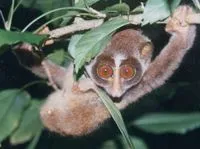
Slender loris (Loris tardigradus) from Sri Lanka is endangered, scientists say. Between 1956 and 1993, Sri Lanka lost more than 50 percent of forest cover to human activities, followed by a similar rate of decline in the remaining forest cover between 1994 and 2003. Photo ? Anna Nekaris
Get the world’s most fascinating discoveries delivered straight to your inbox.
