
 Live Science Plus



Danny Becomes First Atlantic Hurricane of the Season
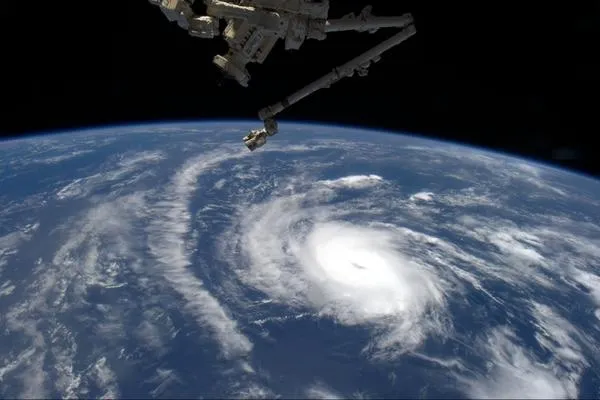
The Atlantic just got its first hurricane of the season. According to the latest update from National Hurricane Center, Danny passed the hurricane test with wind speeds in excess of 75 mph and a developed eye.
The storm is forecast to remain a weak hurricane and make landfall somewhere between Martinique and Anguilla in the eastern Caribbean Sunday night or Monday morning. Eventually, the storm could find its way to Puerto Rico on Tuesday, though by then it will have weakened to a tropical storm.
Danny has faced long odds to reach hurricane status. El Niño — which tends to create strong wind shear that can tear Atlantic tropical storms apart — has conspired to put a damper on the Atlantic hurricane season to date. The National Oceanic and Atmospheric Administration has forecast a below normal hurricane season, which began June 1, because of the aforementioned El Niño, which has continued to strengthen this summer.

The Caribbean is also currently home to a pocket of dry air that stretches to the Sahara. The dry air is robbing the storm of moisture it would need to rapidly intensify. Despite Hurricane Danny's deficiencies, it still makes for a striking image from space.
Danny's arrival as the first hurricane of the season is just about normal. According to Brian McNoldy of the Capital Weather Gang, the median date for when the first hurricane forms is Aug. 16. The timing of the first storm isn't indicative of how active a season will be. Last year, Hurricane Arthur formed on July 1 and rained out fireworks displays across the Mid-Atlantic. Despite the early start, 2014 ended being a relatively quiet season with only eight named storms. That's the fewest since 1997.
You May Also Like: The Climate Change ‘Bully’ in California’s Drought Hawaii May Say ‘Aloha’ to More Hurricanes El Niño Could Rank Among Strongest on Record
Original article on ClimateCentral.