













Neanderthals May Have Worn Dark Feathers

A new analysis of bird bones at Neanderthal sites suggests our extinct human cousins adorned themselves with dark feathers plucked from vultures, jackdaws, eagles and other species.
The study is the latest to challenge the notion that symbolic behavior, like creating art and body decorations, was exclusive to modern humans.
A team of scientists led by researchers at the Gibraltar Museum examined 1,699 sites across Eurasia for evidence of birds and Neanderthals living side-by-side. There was a clear association between Neanderthal occupation and the remains of raptor and corvid species, the researchers reported Monday (Sept. 17) in the journal PLoS ONE.
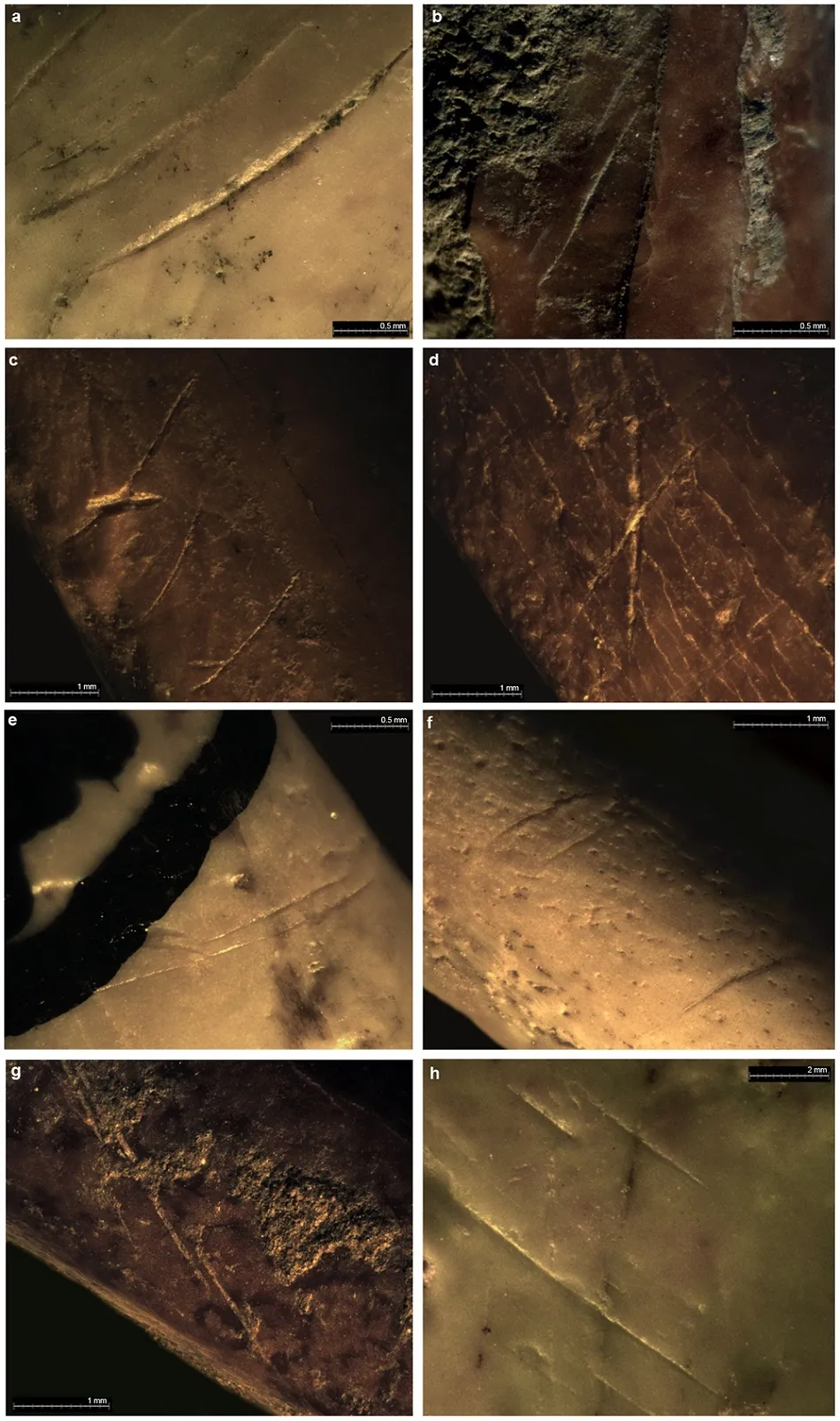
The team then looked at 604 bird bones from three different Neanderthal sites in Gibraltar (Gorham's Cave, Vanguard Cave and Ibex Cave). Several of the bones showed clear cut-marks made by Neanderthal stone tools, and more than half (337) were wing bones — a finding that the researchers say isn't random.
Wing bones are low in meat compared with other parts of the birds, which suggests the Neanderthals weren't collecting these animals for food, but rather intentionally harvesting them for their feathers.
"This activity was clearly related to the extraction of the largest, most durable, and arguably most visually striking, elements of a bird's plumage," the researchers wrote.
Previous research at another Neanderthal site, Grotta di Fumane in Italy, found peeling and scraping marks on bird bones that would have been useless for food purposes; as such the researchers suggested in their 2011 paper published in the journal Proceedings of the National Academy of Sciences, that Neanderthals were using the colorful feathers from various bird species for symbolic reasons, such as wearing them for decoration.
Get the world’s most fascinating discoveries delivered straight to your inbox.
The new PLoS ONE study also could shed light on the feather fashion preferences of the Neanderthals. The researchers found a "clear over-representation" of birds with dark feathers in sites where there was evidence of ancient humans.
Use of ornaments suggests complex thinking, and the authors of the paper write that their findings assign "unprecedented cognitive abilities to these hominins."
Follow LiveScience on Twitter @livescience. We're also on Facebook & Google+.
