













Our Favorite Urban Legends Debunked

Science debunks urban legends

Here's the final word on some of our favorite urban legends, from alligators in N.Y. sewers, infected hypodermic needles in pay phones and birds exploding from rice at weddings.
Poodle frizz

The protagonist here is usually a hapless old lady, just looking for a quick way to dry Fluffy off after a bath. Microwave rays plus squishy (meaty...) poodle equals, well, you do the messy math. While there's no evidence that this has ever been done unknowingly, pet owners with less innocent motives have been caught nuking their furry friends.
Sewer gators

This favorite supposes that colonies of alligators are milling about the NYC sewer network, released there by people when they realized the cute baby alligators they bought in Florida do, in fact, grow bigger. Experts say it's unlikely an alligator could survive in the cold of New York, however, let alone the toxic bacterial stew of its sewers.
Tainted needles
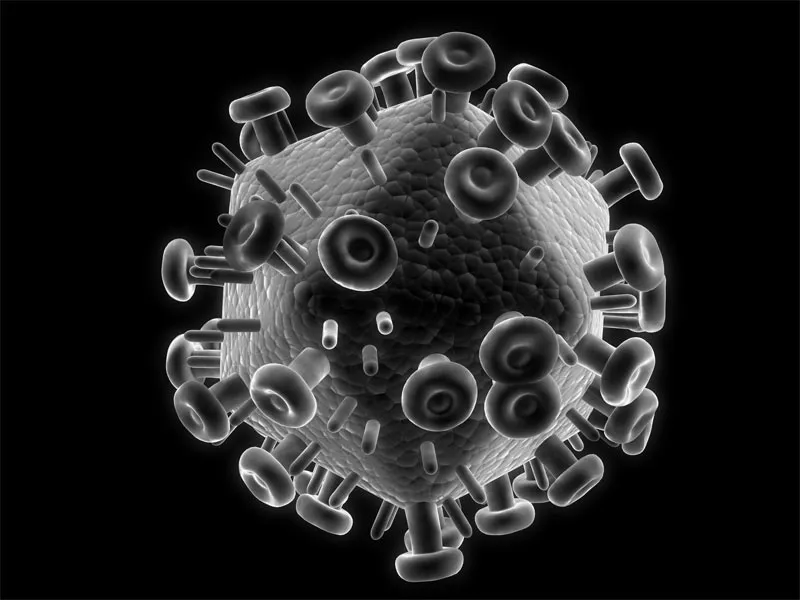
Are legions of infected needles lurking menacingly in the coin-return slots of our public pay phones? This story blames drug users for depositing the hypodermics, and the legend usually includes a note announcing that the victim has been jabbed with HIV. The change isn't worth it, email warnings scold, but the U.S. Centers for Disease Control and Prevention (CDC) say otherwise. The CDC had never had reports of this happening or been asked to test any needles infected with HIV, and the reports seem to have no foundation, the agency maintains.
Vanishing organs

A drug-induced haze, a bathtub full of ice, a gaping hole where the left kidney should be: You may have heard the main ingredients of this popular legend, which has turned up in various forms. Organized bands of organ-thieves are the usual culprits and students or business travelers their victims. A particularly rampant email outbreak of this (untrue) tale in 1997 prompted law and organ-donor groups to issue press releases debunking the legend.
Rat urine

A legend is more powerful the more plausible it is, and this one certainly fits the bill: Thirsty storeroom clerk drinks soda, dies from toxic rat urine encrusted on the can's rim. While the U.S. Centers for Disease Control and Prevention says we could theoretically get sick from the stuff diseased rats leave behind, they deny the soda-can event ever occurred and say it's unlikely it ever could.
Human spider nests

This one is a classic that worked well in the heyday of bouffant hairdos. When a woman dies a mysterious death, doctors discover later that she had been mercilessly attacked by a colony of spiders nesting in her dense thicket of hair. The legend was meant as a 1950s caution against choosing vanity over hygiene; it sometimes appears today with the victim sporting dreadlocks.
Get the world’s most fascinating discoveries delivered straight to your inbox.
Pop rocks

Can mixing fizzy Pop Rocks candy with cola creative a painful carbonated eruption in the stomachs of our nation's youth? Alarmingly yes, according a legend that circulated soon after the popular, but odd, candy was released in the 1970s. The company that manufactured the confection tried to soothe public fears with tests proving decidedly otherwise, but had little success eradicating this legend.
Disappearing hitchhiker

One of the oldest known urban legends around, this ghostly tale goes back to a time when the mystery hitchhiker was picked up in a horse and buggy. The passenger is often a young girl who, upon reaching the address she has provided, is found to have disappeared from the back seat altogether. The driver discovers his charge to have died several years earlier. Completely unverifiable, but a chilling tale nonetheless.
Spooky scuba diving

A scuba diver is flippering along when a bucket scoops him out of the ocean and deposits him inland among the burning embers of a forest fire. This fantastic urban legend has the charred body of the diver dangling from a tree, a puzzle for authorities until one of them is able to make the connection. A perfect CSI scenario, you think? So did the writers of the show. But TV is the only place this one is known to have actually occurred.
Exploding pigeons
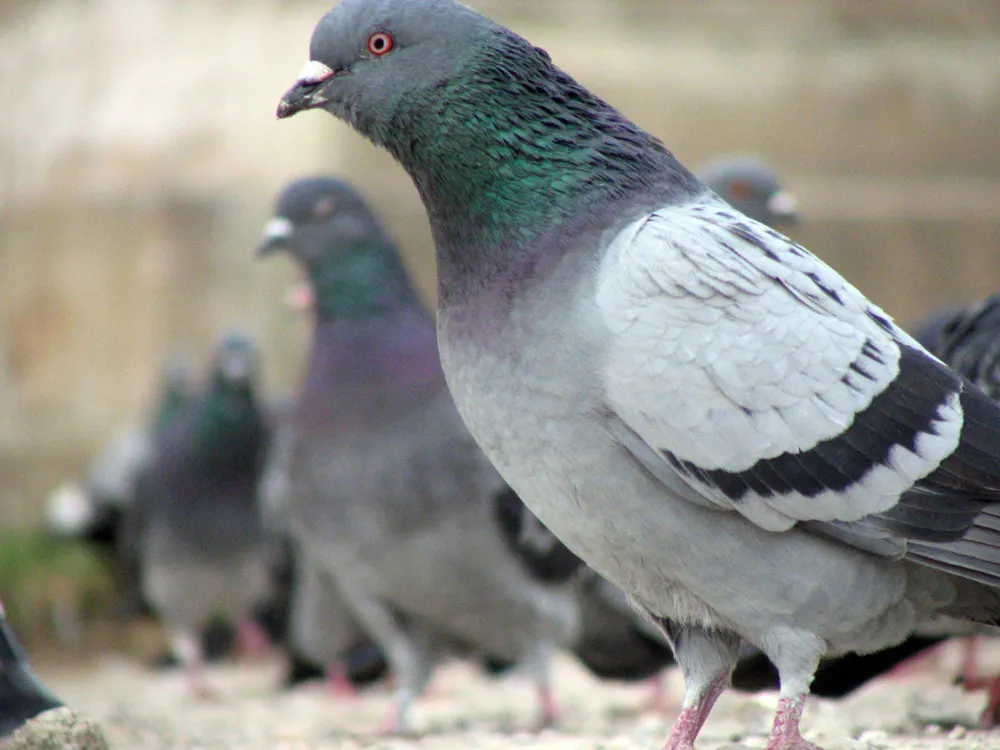
Nothing spoils a wedding celebration like the thought of exploding pigeons. Nuptial guests have been cautioned against throwing handfuls of rice at newlyweds for this very reason, but there is absolutely no scientific backing to the legend. Experts say birds can ingest uncooked rice just fine, with no risk of blowing up. Hmmm. Some people might say using love to lose a few pigeons is a perfectly splendid idea.
