













7 Diseases You Can Learn About from a Genetic Test
Intro
In an age of instant information, it's not surprising people want to know as much as possible about their risk of developing certain diseases.
Now, mail-order kits allow us a peek at our genetic destinies, though some have questioned the accuracy of such information. A handful of companies have cropped up that both sell the kits and offer genetic counseling based on the results.
Tests using blood samples usually require a prescription, but others ask consumers to simply spit in a tube or swab the inside of their cheek. Prices range from several hundred dollars on up.
The results tell of genetic markers that, if present, may signal susceptibilities to certain health conditions. These markers, called SNPs (or single nucleotide polymorphisms), are variations in gene sequences. SNPs don't cause disease, but can help determine the chances of developing a certain illness, according to the U.S. Department of Energy's Genome Program.
Results indicating you're at above-average risk for contracting a disease don't guarantee you'll get it, just as results showing no risk markers don't mean you won't. But for some, acting on the information like deciding to quit smoking or make diet changes may help prevent the disease's development or lessen its effects, according to Navigenics, a genetics testing company.
But test results may not be completely trustworthy. According to a July report by the Government Accountability Office (GAO), the mail-order spit tests are often inaccurate or misleading. Some results directly contradicted others, the GAO told members of a House of Representatives subcommittee.
And even when mutations are found, scientists are not always able to translate these to say exactly how much the odds are of developing a disease are raised.
Get the world’s most fascinating discoveries delivered straight to your inbox.
MyHealthNewsDaily has rounded up some of the genes that genetic tests look for, and exactly what's known about these genes.
Breast and ovarian cancer

The vast majority of the more than 200,000 breast cancer diagnoses given to American women each year occur in those with no known family history of the disease, but 5 to 10 percent are due to up to three genetic mutations in the BRCA1 or BRCA2 genes.
BRCA genes belong to a class known as tumor suppressors, according to the National Cancer Institute (NCI). When mutated, they can allow uncontrolled cell growth. Women with mutations in these genes are about five times more likely to develop breast cancer than those without them, and are between 15 and 40 times more likely to develop ovarian cancer, according to the NCI.
These mutations are more prevalent among women of Ashkenazi Jewish heritage, according to genetic testing company 23andMe.
Celiac disease

An autoimmune condition triggered by proteins called gluten that are found in wheat, barley and rye, celiac disease attacks the tissues of the small intestine, causing diarrhea and abdominal pain. About 2 million Americans are affected.
Many people with celiac disease have no symptoms, however, and the condition can mimic others such as irritable bowel syndrome. The only treatment is to stick to a gluten-free diet, which prevents intestinal damage.
According to 23andMe, celiac disease is up to 87 percent attributable to genetics. Tests look for specific versions of genes for an immune system protein called HLA-DQ. The protein is is encoded by a set of genes on chromosome 6.
According to Navigenics, about 1 in 22 people with a sibling, parent or child with celiac disease will develop it themselves. Those with a second-degree relative (an aunt, uncle, niece, nephew, grandparent, grandchild or half-sibling) have a 1 in 39 risk.
Age-related macular degeneration (AMD)
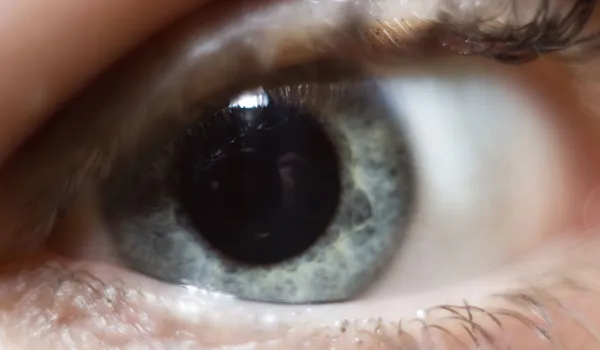
AMD is the most common cause of irreversible vision loss in Americans over age 60. The diseasecauses the retina the tissue at the back of the eye responsible for transmitting images to the brain to deteriorate, resulting in central vision loss crucial for reading, driving or recognizing faces.
According to the NIH, about 1.75 million Americans suffer from AMD. About 200,000 people lose central vision in one or both eyes each year, according to the Macular Degeneration Foundation (MDF).
Genetics and environmental factors account for the development of AMD, according to 23andMe, with up to 71 percent of cases attributable to heredity. Tests focus on a group of genes called ABCR genes, and those with these certain variations in these genes have a 30 percent greater chance of developing AMD, according to the MDF.
According to a study in the journal Nature Genetics, those whose siblings have AMD are between three and six times more likely to develop it than the general population.
Bipolar disorder

Also known as manic-depressive disorder, bipolar disorder is a mental illness marked by severe mood swings from despair to euphoria, according to the Mayo Clinic. Bipolar disorder affects 5.7 million Americans ages 18 and older, in any given year, according to the NIH.
Bipolar disorder has a strong genetic component, though the SNPs that researchers have identified so far account for only a fraction of cases. Up to 93 percent of cases may be triggered by heredity, according to 23andMe.
Tests look for a protein marker encoded by the ANK3 gene, which is involved in nerve cell structure and function, according to a 2009 study in the journal Molecular Psychiatry.
The average person's chances of developing bipolar disorder are 2 to 3 percent, according to the Center for Genetics Education in Australia. The risks increase with the number of relatives affected and their degree of relatedness: up to 70 percent if an identical twin is affected, 50 percent if both parents have the disorder, 20 percent if one parent and a sibling has it, and 13 percent if a single sibling has it.
Those with a mutation on a gene called Fat, located on chromosome 4, appear to be at twice the risk of developing bipolar as the average person, though scientists aren't yet sure why, according to the center.
Obesity

About one-third of Americans are classified as obese, meaning they weigh at least 100 pounds more than their ideal weight or have a body mass index (BMI) of 30 or higher.
Scientists don't yet know how many genes are involved in developing obesity, though 23andMe attributes obesity to heredity in up to 84 percent of those affected.
Variations in a gene called FTO gene account for almost 7 pounds of weight difference, according to the company. A recent study also showed that levels of the FTO gene were higher in fatty tissue, according to 23andMe, and the SNP on the FTO gene seems almost exclusively associated with fat tissue rather than muscle mass or bone density.
Parkinson's disease

A neurological disorder caused by a loss of dopamine-producing brain cells, Parkinson's disease is marked by trembling in the limbs, jaw and face; stiffness in the limbs and trunk; and or slowed movement and impaired balance and coordination. At least 500,000 Americans have been diagnosed with PD, with another 50,000 diagnosed each year, according to the NIH.
Most cases of PD affect those over 50, and the average lifetime risk of developing it is small about 1 to 2 percent. However, mutations in a gene known as LRRK2 have been linked to a much higher risk of developing PD.
More than 50 variations of the LRRK2 gene are known, and several are associated with PD. A recent study found that a person who inherits a one mutation in this gene, called the G2019S mutation, from either parent has a 28 percent chance of developing Parkinson's by age 59 and a 74 percent chance by age 79, according to 23andMe.
Psoriasis

The most prevalent autoimmune condition in the United States, psoriasis affects as many as 7.5 million Americans more than 2 percent of the population, according to the National Psoriasis Foundation.
Characterized by red, scaly lesions that can cover any part of the body, psoriasis is up to 80 percent attributable to genetics, according to 23andMe, and occurs when immune cells known as T-cells attack the skin.
Variations in a gene called HLA-C are associated with psoriasis, and studies have shown that seven other DNA variations are linked to the disease. However, environmental triggers appear to be necessary for psoriasis to develop, and only 10 percent of patients with variations in their HLA do so, according to the National Disease Research Interchange.
Follow MyHealthNewsDaily on Twitter @MyHealth_MHND.