Livescience Livescience
Sign in
  • View Profile
  • Sign out
  • Animals
    • Aquatic animals
      • Fish
      • Sharks
      • Mollusks
      • Octopuses
      • Squids
    • Reptiles, amphibians, insects and arachnids
      • Reptiles
      • Snakes
      • Turtles and tortoises
      • Lizards
      • Amphibians
      • Alligators and crocodiles
      • Spiders and other arachnids
      • Insects
    • Mammals
      • Bears
      • Cats
      • Dogs
      • Elephants
      • Primates
      • Dolphins
      • Orcas
      • Whales
    • Birds
    • Extinct species
      • Dinosaurs
      • Mammoths
  • Archaeology
    • Human evolution
      • Neanderthals
    • Regions
      • The Americas
      • Ancient China
      • Middle East
    • Cultures
      • Romans
      • Vikings
      • Ancient Egyptians
  • Health
    • The human body
      • Aging
      • Allergies
      • Anatomy
      • Exercise
      • Food and drink
      • Genetics
      • Heart and circulation
      • Immune system
      • Medicine and drugs
      • Neuroscience
      • Reproductive health
      • Sex
      • Sleep
      • Surgery
    • Viruses, infections and disease
      • Alzheimer's and dementia
      • Bacterial and fungal infections
      • Cancer
      • Coronavirus
      • Flu
      • HIV
    • Human behavior
      • Arts and entertainment
      • Conspiracies and paranormal
      • Education
      • Psychology
    • Mathematics
    • Particle physics
    • Quantum physics
    • Chemistry
  • Planet Earth
    • Earth science
      • Earthquakes
      • Volcanoes
      • Weather
      • Geology
    • Climate change
      • Fossil fuels
      • Nuclear energy
      • Renewable energy
      • Antarctica
      • Arctic
    • Nature
      • Plants
      • Rivers and oceans
      • Evolution
  • Space
    • Astronomy
      • Asteroids
      • Black holes
      • Comets
      • Cosmology
      • Meteoroids
      • Exoplanets
    • The solar system
      • The sun
      • The moon
      • Mercury
      • Venus
      • Mars
      • Jupiter
      • Saturn
      • Uranus
      • Pluto
    • Space exploration
      • Extraterrestrial life
      • Stargazing
      • NASA
      • Space photo of the week
  • Technology
    • Artificial intelligence
    • Communications
    • Computing
    • Mixed reality
    • Quantum computing
    • Electric vehicles
    • Engineering
    • Electronic engineering
    • Robotics
    • Products
      • Health and fitness
      • Optics
      • STEM toys and games
      • Tech and gadgets
    • By type
      • News
      • Features
      • Opinion
      • Interviews
    • More
      • About us
      • Newsletters
      • Follow us
      • Archive
  • home
  • Animals
    • View Animals
    • Aquatic animals
      • View Aquatic animals
      • Fish
      • Sharks
      • Mollusks
      • Octopuses
      • Squids
      • Reptiles
      • Snakes
      • Turtles and tortoises
      • Lizards
      • Amphibians
      • Alligators and crocodiles
      • Spiders and other arachnids
      • Insects
      • Bears
      • Cats
      • Dogs
      • Elephants
      • Primates
      • Dolphins
      • Orcas
      • Whales
    • Birds
    • Extinct species
      • View Extinct species
      • Dinosaurs
      • Mammoths
  • Archaeology
    • View Archaeology
    • Human evolution
      • View Human evolution
      • Neanderthals
      • The Americas
      • Ancient China
      • Middle East
      • Romans
      • Vikings
      • Ancient Egyptians
  • Health
    • View Health
      • Aging
      • Allergies
      • Anatomy
      • Exercise
      • Food and drink
      • Genetics
      • Heart and circulation
      • Immune system
      • Medicine and drugs
      • Neuroscience
      • Reproductive health
      • Sex
      • Sleep
      • Surgery
      • Alzheimer's and dementia
      • Bacterial and fungal infections
      • Cancer
      • Coronavirus
      • Flu
      • HIV
    • Human behavior
      • View Human behavior
      • Arts and entertainment
      • Conspiracies and paranormal
      • Education
      • Psychology
    • Mathematics
    • Particle physics
    • Quantum physics
    • Chemistry
  • Planet Earth
    • View Planet Earth
      • Earthquakes
      • Volcanoes
      • Weather
      • Geology
    • Climate change
      • View Climate change
      • Fossil fuels
      • Nuclear energy
      • Renewable energy
      • Antarctica
      • Arctic
      • Plants
      • Rivers and oceans
      • Evolution
  • Space
    • View Space
    • Astronomy
      • View Astronomy
      • Asteroids
      • Black holes
      • Comets
      • Cosmology
      • Meteoroids
      • Exoplanets
    • The solar system
      • View The solar system
      • The sun
      • The moon
      • Mercury
      • Venus
      • Mars
      • Jupiter
      • Saturn
      • Uranus
      • Pluto
    • Space exploration
      • View Space exploration
      • Extraterrestrial life
      • Stargazing
      • NASA
      • Space photo of the week
  • Technology
    • View Technology
    • Artificial intelligence
    • Communications
    • Computing
    • Mixed reality
    • Quantum computing
    • Electric vehicles
    • Engineering
    • Electronic engineering
    • Robotics
    • Products
      • View Products
      • Health and fitness
      • Optics
      • STEM toys and games
      • Tech and gadgets
      • News
      • Features
      • Opinion
      • Interviews
      • About us
      • Newsletters
      • Follow us
      • Archive
  • Sign up for our newsletters Newsletter
  • RSS
    Trending
    • Ebola outbreak
    • James Webb finds megastructures
    • Why kids eat their boogers
    • What counts as 'close contact'?

    When you purchase through links on our site, we may earn an affiliate commission. Here’s how it works.

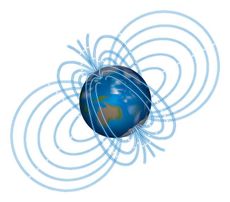
    Earth's magnetic field

    earth's magnetic field, magnetosphere, magnetopause, what causes auroras, solar wind, how magnetic field protects earth, earth
    Leaks Found in Earth's Protective Shield

    Phenomenon in magnetosphere can act to let solar particles in.

    • Earth's Magnetic Field and Poles
      Why Earth's Magnetic Field Is Wonky

      Scientists have wondered why the magnetic and geographic North Poles don't match up.

      By Becky Oskin Published 18 July 12

    • If Earth's magnetic field reversed, compasses would point toward Antarctica. Credit: Francesco81 | Shutterstock
      What If Earth's Magnetic Poles Flip?

      What will happen if or when the direction of Earth's magnetic field reverses, so that compasses point south?

      By Natalie Wolchover Published 10 February 12

    • green-aurora-northern-lights-110316-02
      Probe Peers Into Energetic Edge of Earth's Atmosphere

      Data shedding light on auroras, how solar wind and Earth's magnetic field interact.

      By Live Science Staff Published 18 November 11

    • humpback whale tag
      Amazing Navigation Skills Seen in Humpback Whales

      The whales' precision took them only 1 degree off the straight path.

      By Charles Q. Choi Published 19 April 11

    • humpback whale tag
      In Photos: Tracking Humpback Whales

      A project called The Great Whale Trail is tagging the behemoths of the sea as they make long-distance journeys.

      By Live Science Staff Published 19 April 11

    • null
      Why Earth's Magnetic Field Flip-Flops

      A new hypothesis on the origins of Earth's magnetic field could shed light on the reason it flip-flops.

      By Clara Moskowitz Published 25 September 08

    • null
      Old Ship Logs Unlock Secrets About Earth's Magnetic Field

      Logs suggest the decline in field strength is only a recent occurrence.

      By Sara Goudarzi Published 11 May 06

    1 2 3
    Useful links
    Feed your curiosity
    • Life's Little Mysteries
    • Earth from space
    • Diagnostic dilemmas
    • Astonishing artifacts
    Grow your knowledge
    • Jaw-dropping James Webb Space Telescope images
    • Amazing women in science and math
    • Explore the periodic table of elements
    • Uncanny facial reconstructions from history
    Science in your life
    • Science quizzes and games
    • Beginner's guide to wildlife photography
    • The best telescopes for spotting stars and planets
    • Mind-blowing science facts
    Ls Logo

    Live Science is part of Future US Inc, an international media group and leading digital publisher. Visit our corporate site.

    Add as a preferred source on Google Add as a preferred source on Google
    • Accessibility Statement
    • Contact Future's experts
    • About Us
    • Terms and conditions
    • Privacy policy
    • Cookies policy
    • Advertise with us
    • Web notifications
    • Careers
    • Editorial standards
    • How to pitch a story to us

    © Future US, Inc. Full 7th Floor, 130 West 42nd Street, New York, NY 10036.

    Please login or signup to comment

    Please wait...