

-
 Why do we add fluoride to drinking water, and is it safe?
Fluoride is added to tap water in many countries around the world. But why?
health -
 Are cats and dogs smarter than babies?
It's possible to compare some aspects of animal and human intelligence, but not all researchers like to.
animals -
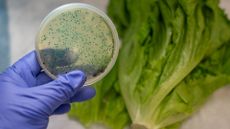 How does E. coli get into food?
Dangerous strains of E. coli bacteria can infiltrate the food supply through many different routes, experts explain.
bacterial-fungal -
 Could monkeys really type the complete works of Shakespeare?
The infinite monkey theorem is a fun thought experiment, but does it actually apply to our finite world?
primates -
 Who invented the car? The history of the automobile
Reference Discover the complex history of the automobile, from early self-propelled vehicles to Karl Benz's invention of the first modern car, and explore the key innovators who shaped the cars we drive today.
Reference -
 Can you get high from poppy seeds?
Poppy seeds come from the same plant that's used to make opium and morphine. So can they get you high?
medicine-drugs -
 How many blood types are there?
Red blood cells are complex — there's much more to blood types than A, B and O.
heart-circulation -
 Periodic table of elements: How it works and who created it
The Periodic Table, first created by Dmitri Mendeleev, organizes all of the known elements in an informative array.
chemistry -
 Pangaea: Discover facts about Earth's ancient supercontinent
Pangaea is Earth's most recent supercontinent, which existed 320 million to 195 million years ago.
geology -
 Can viruses cause cancer?
The far-reaching impact of certain viruses on the body can make cells grow out of control, causing cancer.
viruses-infections-disease -
 How to turn off web notifications for Google Chrome and macOS
Here's a handy guide on how to turn off web notifications for Google Chrome and macOS.
communications -
 Why do hangovers get worse with age?
Scientists haven't actually confirmed a link between age and hangover severity, but there are some reasons why older people might feel worse after a night of drinking than young folks would.
food-drink -
 Keeping time: The history, origin and meanings of B.C. and A.D.
The use of "anno domini" and "before Christ" to mark time began in the early days of Christianity, when clerics needed to know when Easter would fall.
physics-mathematics -
 How long is the flu contagious?
Many factors affect the infectious period of seasonal influenza, commonly called "the flu," but there are some good rules of thumb for when it's safe to return to work or school.
flu -
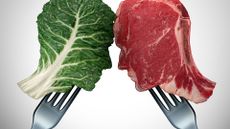 Why does meat have more protein than vegetables?
The biological needs of plants and animals affect their cells' protein content, but the story goes deeper than that.
food-drink -
 Why do we forget things we were just thinking about?
When the brain "juggles" information, things can fall through the cracks.
neuroscience -
 Are people more honest when they're drunk?
Drinking can change the brain in a way that makes people more likely to speak their mind, but the effects aren't always straightforward.
food-drink -
 Why does heat cause headaches?
The trigger behind summertime headaches may not be heat itself, but all of the things that come along with it, an expert said.
health -
 Why are so many Roman statues headless?
There are many reasons an ancient statue might accidentally lose its head — and some for its head to be severed on purpose.
romans


